
.png?type=w966)
The reason for examining the nasolabial angle and nostril wing in columella lengthening and columella retraction
When viewed from the side, the columella between the nostrils is barely visible.
Is it enough to perform columella lengthening?
If you are concerned that your nasal tip looks short and blunt, and you look closely at your side profile, there are people whose columella is almost invisible because it is covered by the nostril wing.
So you may think that lowering the columella a little might improve it.
The problem is that not everyone whose columella is not visible needs columella lengthening.
This is because there are cases of columella retraction itself, but there are also cases where the nostril wing is drooping and covering the columella.
Why do correction methods differ even though they look similar on the surface, and what should you check first in your own nose I will explain each point one by one.
If it is not visible from the side
Do I need columella lengthening?
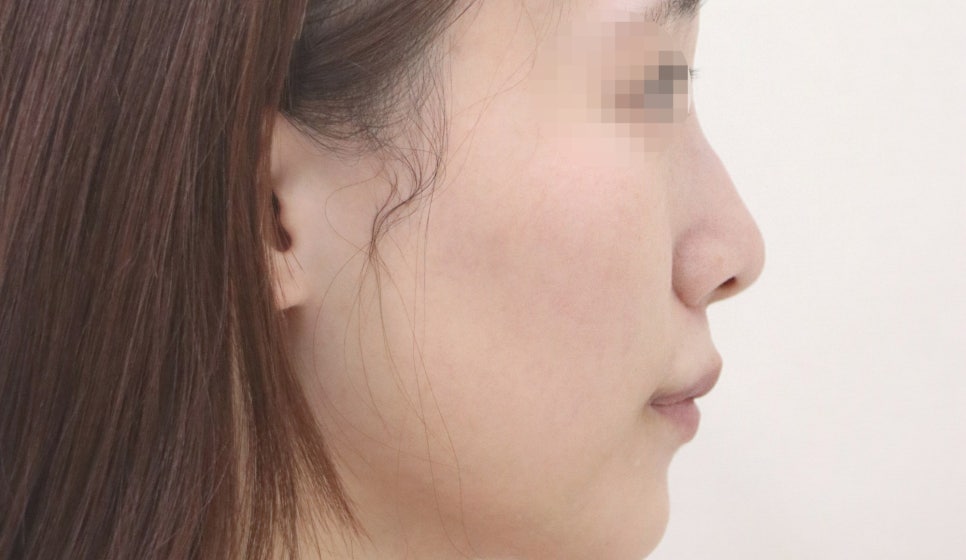
Columella retraction
We do not determine the need for columella lengthening just because the columella is not well visible from the side.
The columella is the pillar-like area that supports the underside of the nasal tip between both nostrils.
If this area is positioned inward, the nose may look short and blunt, or the nasal tip may appear flat.
On the other hand, even if there is no major problem with the position of the columella if the nostril wing descends downward, it can look similar.
The nostril wing covers the central pillar, making it seem relatively short.
Therefore, before correction, you must first distinguish whether the cause is the central pillar itself or the nostril wing.
What is the difference between columella retraction and drooping nostril wing?
What is different?
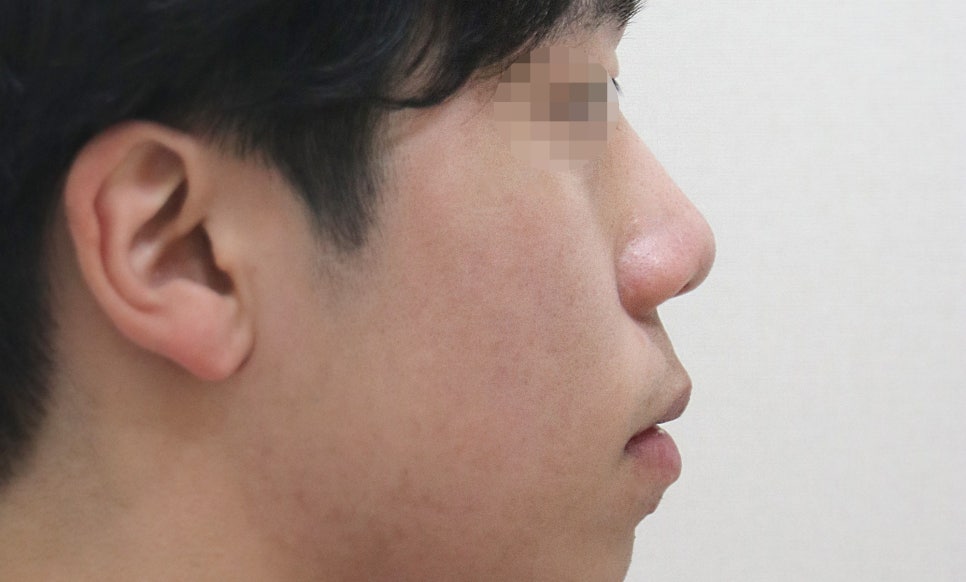
Columella retraction
Columella retraction is a condition where the pillar under the nasal tip itself is positioned inward.
Drooping nostril wing is caused by the position of the alar base / nostril wing on both sides rather than the central pillar.
Both forms may make the center look absent from the side, but there is a difference in the area to be corrected.
Distinction
Columella retraction
Drooping nostril wing
Problematic area
Columella
Both nostril wings
Appearance
The central pillar appears to be positioned inward
Appears short due to being covered by the nostril wing
How to examine
Support the columella so it comes forward
Reposition the drooping nostril wing upward
If it is columella retraction, consider supporting the area so it comes forward.
On the other hand, if the central pillar is in a normal position but the nostril wing is drooping, consider repositioning the nostril wing upward to balance both sides.
This is why the judgment changes depending on which area is positioned lower, even if the side profile looks similar.
Columella lengthening
Is it enough to lower only one area?
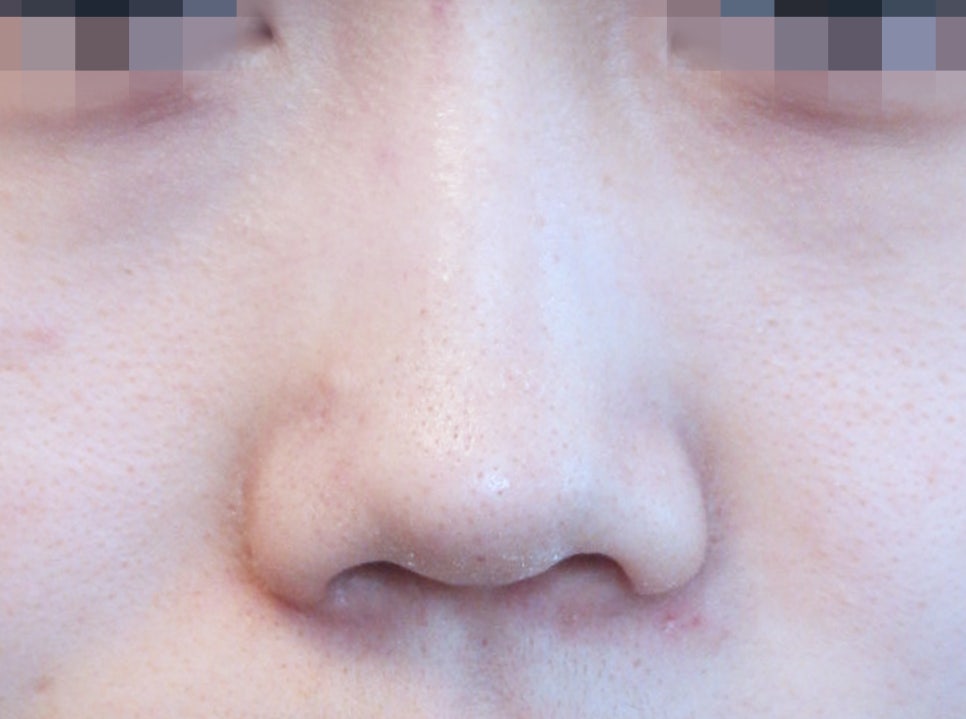
Columella retraction
If columella retraction is the cause, the columella is often addressed together in the process of raising the nasal tip.
On the other hand, if the nostril wing is the cause but only the columella is corrected, the nostril wings on both sides remain as they are, which may result in a different appearance than expected.
Columella lengthening The relationship between the nasal tip, nostril wing, and central pillar must be considered together.
After focusing on nasal treatment for over 20 years I have found that even noses that look similar on the surface have different reasons for the columella not being visible.
Sometimes the columella itself is retracted, and sometimes the nostril wing descends and covers it, so rather than simply lowering the columella further, you must first distinguish which area is the cause.
If the nasolabial angle is narrow
Is columella lengthening necessary?
Nasolabial angle is the angle at the area where the nose and upper lip meet.
It is referenced when examining the side profile, but the decision to lower the columella is not made based solely on the nasolabial angle.
This is because the reasons for the columella not being well visible may differ.
The columella itself may be positioned inward, or the nostril wing may descend and cover the columella.
The appearance from the side also changes depending on the position of the nasal tip.
Therefore, rather than setting a specific nasolabial angle as a goal, the cause of the columella not being visible must be identified first.
Whether to adjust the position of the columella itself or to also examine the nasal tip or nostril wing depends on that.
Is it better for the columella to be lowered as much as possible?
Columella lengthening is not about lowering as much as possible, but about matching the positions of the nostril wing and columella.
Usually, the columella is positioned about 1–2 mm below the nostril wing.
At this level, from the front, the nostril wing and columella form a seagull-shaped line, and the columella appears naturally from the side as well.
However, if the nose is originally long, lowering the columella further may make the nose appear longer.
Therefore, while considering the positional relationship of about 1–2 mm, we also look at the current nose length, nasal tip shape, and the overall balance of the face to determine how much the columella should be lowered.
Even a small difference in the nose can feel much more significant on the face than expected.
Especially if, every time you look at your profile, the columella seems hidden or the nasal tip looks stuffy, your attention may keep going to that area.
That said, simply lowering the columella a lot is not always the answer.
Find the real reason why your nose seemed unsatisfactory,
and find the degree to which the nasal tip and nostril wing naturally harmonize.
Ultimately, the most important thing in lowering the columella is not 'more', but 'as much as suits me'. I believe this is the right approach.

Hyung-taek Kim, Chief Director of KOWON Plastic Surgery
I always provide care with this mindset.
We help you find a nose that suits your face.
Preview virtual plastic surgery results with 1:1 video consultation

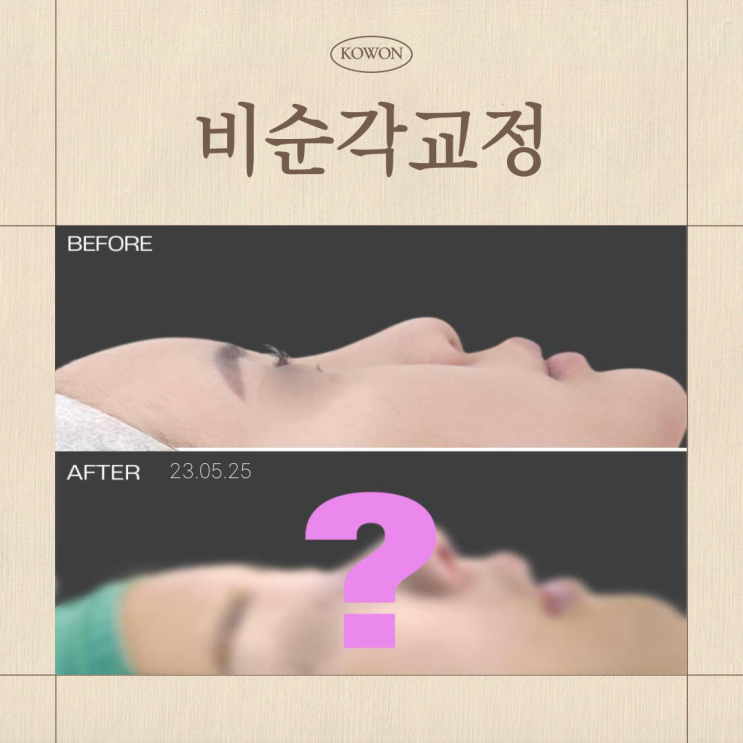
Nasolabial angle correction, differences from cat surgery, and criteria for when it is needed
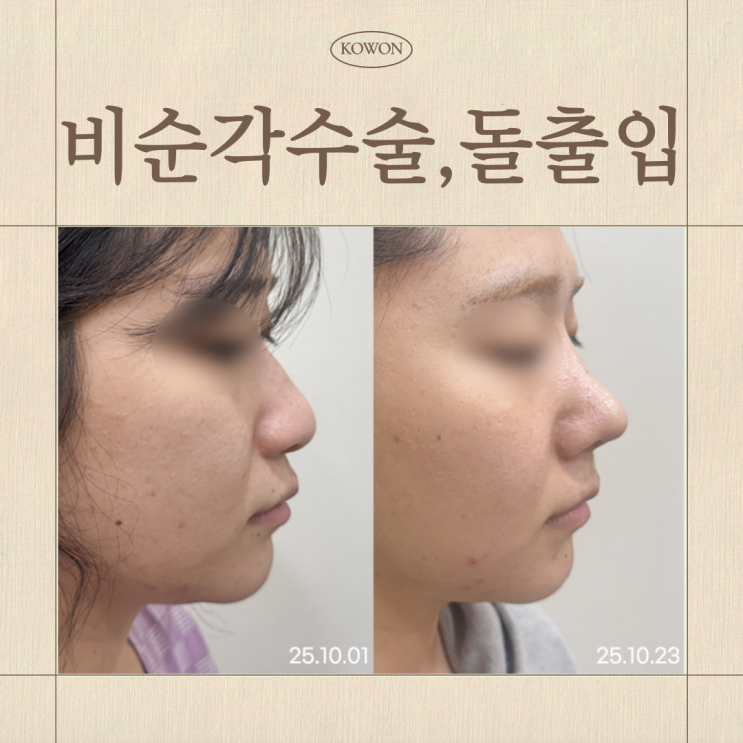
Nasolabial angle surgery: Why does the mouth look protruded even when it is not?
KOWON Plastic Surgery
2nd Floor, KBL Center, 110 Dosan-daero, Gangnam-gu, Seoul

This procedure/surgery may cause side effects such as bleeding, infection, swelling, or asymmetry depending on the individual. Please consult with medical staff for accurate information before making a decision.
— Dr. Hyung-taek Kim, KOWON Plastic Surgery