Skip to content
KOWON Plastic Surgery logo

A rib cartilage solution tailored to your nose

RIBFIT™

When silicone is a concernRevision after inflammation or contracture

01

3D custom implant from your own rib cartilage

02

Less burden of foreign-body reaction and contracture

03

Suitable after revision or inflammation

04

Natural feel and line

What is RIBFIT™?

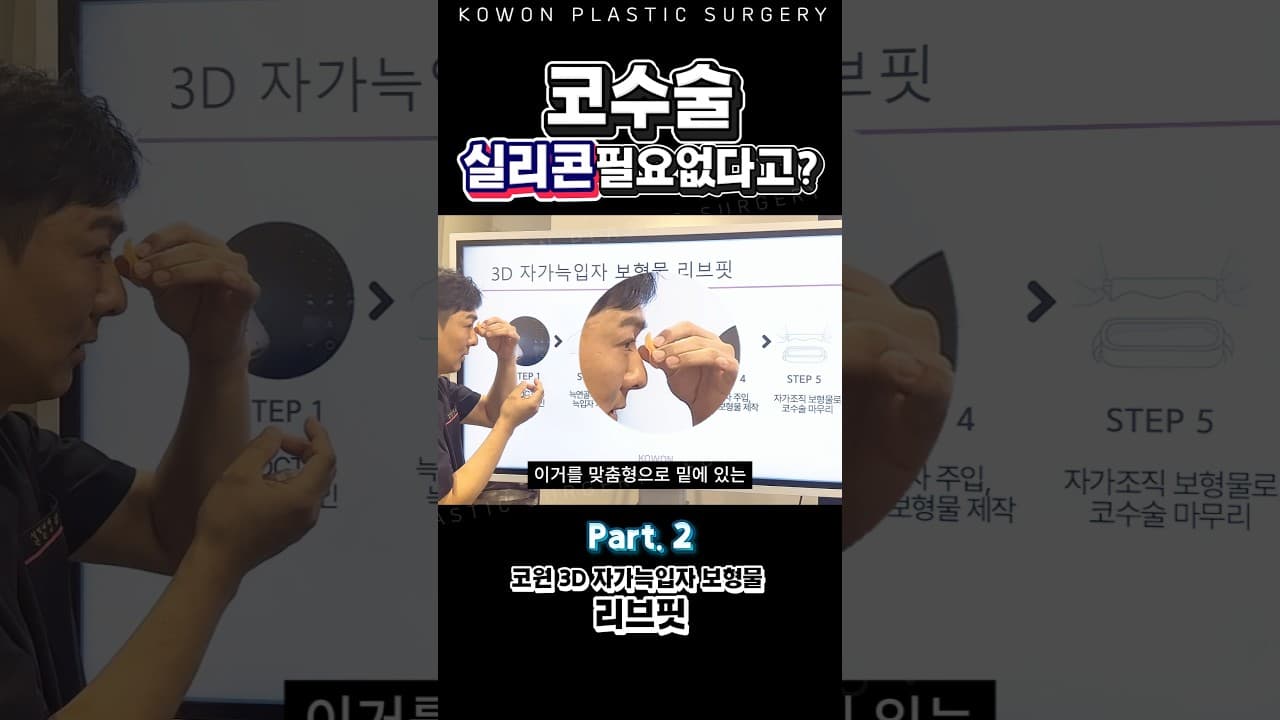
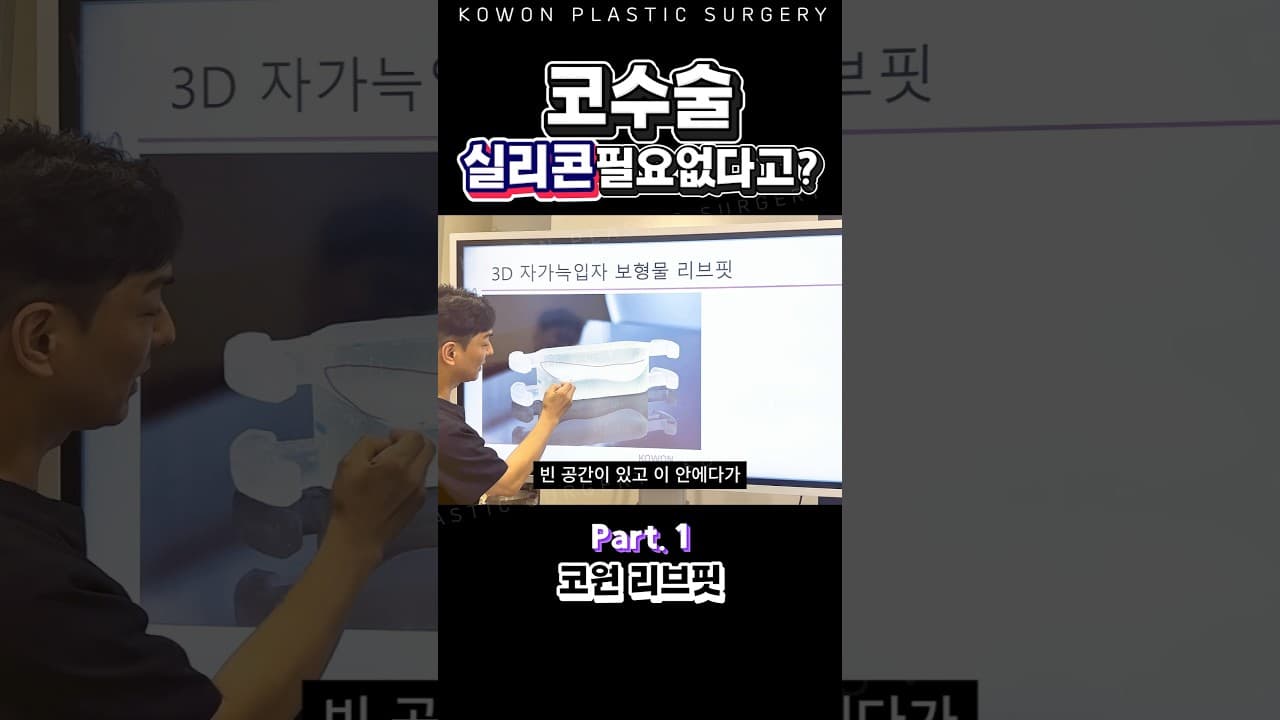
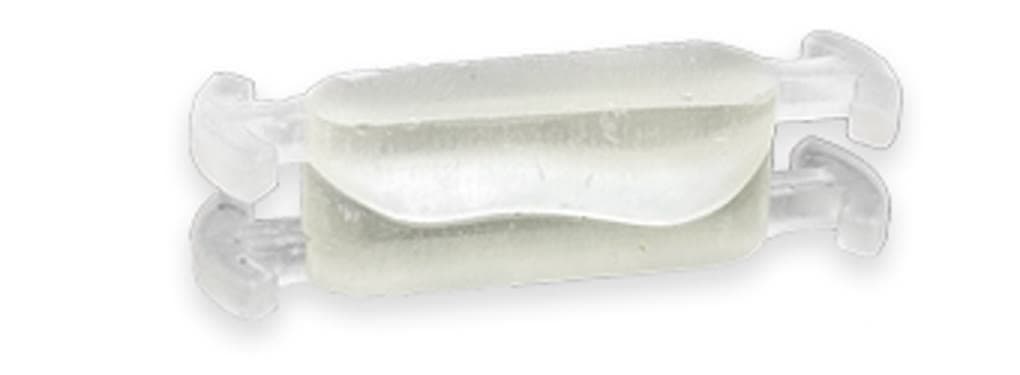
Your own rib cartilage is processed into particles and shaped into a 3D graft tailored to your nasal anatomy, replacing a silicone implant. Avoiding silicone can reduce concerns related to that material. The custom shape is designed to sit closely against your own nasal structure.

Location of the RIBFIT™

RIBFIT™(3D custom implant)

A custom 3D graft made from your own rib cartilage particles

Your rib cartilage is processed into particles and shaped to fit your nose

The RIBFIT™ procedure

From CT-based planning to a 3D mold, the procedure follows four stages tailored to your nose.

STEP 01 3D mold
STEP 02 Rib cartilage preparation
STEP 03 Shape the graft
STEP 04 Nasal bridge contour

kowon plastic surgery

What distinguishes RIBFIT™ at KOWON?

Without siliconeLess foreign-material concern
Particle processingDesigned to limit warping
Matched to your noseCustom 3D shaping
After revision or inflammationMay be an option

How the surgery proceeds

STEP 01

What is RIBFIT™?

RIBFIT™ is autologous rhinoplasty in which your own rib cartilage is harvested, diced finely and formed into an implant shaped to your nose. Unlike laying a solid block of cartilage in place, working with particles carries far less risk of warping and gives a softer line.

STEP 02

How is it different from silicone?

The body recognises a silicone implant as foreign and forms a capsule around it; on occasion this leads to contracture, inflammation or visible show-through. Autologous tissue is part of your own body, so the burden of a foreign-body reaction is fundamentally lower, and over time it integrates with the surrounding tissue and keeps a natural feel.

STEP 03

Who we recommend it for

Suited to those uneasy about a silicone implant; revision patients who have experienced implant inflammation or contracture; those whose skin is thin enough that an implant might show through; and those whose tissue has been weakened by repeated surgery. For anyone prone to inflammation, autologous tissue can be a particularly safe choice.

STEP 04

Is harvesting rib cartilage safe?

Harvesting is done through a small incision of about 1.5–2 cm below the chest, and the scar sits where underwear covers it. Pain at the harvest site eases substantially within a few days, and we manage pain and follow the recovery so that daily life is not disrupted.

Frequently asked questions

Autologous cartilage is your own tissue, which favours integration and stability. Donor cartilage avoids the harvest, but its resorption rate can be relatively higher. The right material depends on age, tissue condition and surgical history, so it is decided after assessment.

Using a solid block of cartilage can lead to warping over time. Because RIBFIT™ builds the shape from diced cartilage, the risk of warping is greatly reduced.

Including the rib cartilage harvest it takes roughly 2.5–3.5 hours, and you go home the same day. We check your recovery on the day of surgery and again the following day.

Go deeper with columns by the doctor

147 columns on RIBFIT™ · rib cartilage — the questions that come up most in the consulting room, written up by the doctor himself.

See all columns

Related procedures

Consultation

If silicone isn't for you — RIBFIT™

Dr. Kim Hyung-taek takes personal responsibility from diagnosis through surgery and aftercare.

Book a 1:1 consultation

Outcomes and side effects vary from person to person. Bleeding, infection, swelling and asymmetry may occur. Please consult our medical team before making a decision.