
TYPE 01 — Low Nose
Low Nose Rhinoplasty
How is a low nose corrected?
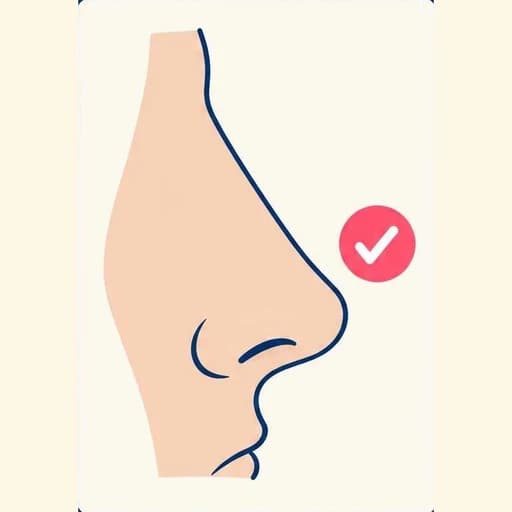
Surgery that raises the bridge and projects the tip — usually performed together. Raising only the bridge makes the tip look droopy; projecting only the tip makes the bridge look sunken.
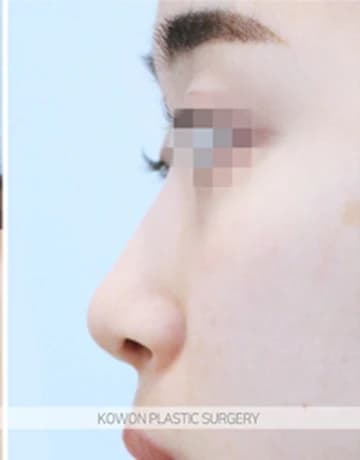
Who this is for
- A nose that is low from the glabella through the bridge
- A decent bridge with a low, blunt tip
- A nose that appears bridgeless in photos
A note from Dr. Kim Hyung-taek
A low nose is one of the procedures I have performed most since I began focusing on rhinoplasty.
With a low nose, many people focus only on adding height — but what matters more than overall height is the point where the bridge should begin to rise.
Where the bridge starts changes the impression dramatically and decides whether the result sits naturally with your face. That is why the spacing between the eyes and the height of the forehead and glabella matter so much.
Because an implant is almost always required, choosing between an artificial implant and autologous tissue is also an important decision.
At KOWON we offer RIBFIT™, an autologous-tissue implant that can deliver results comparable to silicone for patients who feel uneasy about artificial implants — making a natural, stable rhinoplasty possible.
— Kim Hyung-taek
How the surgery works
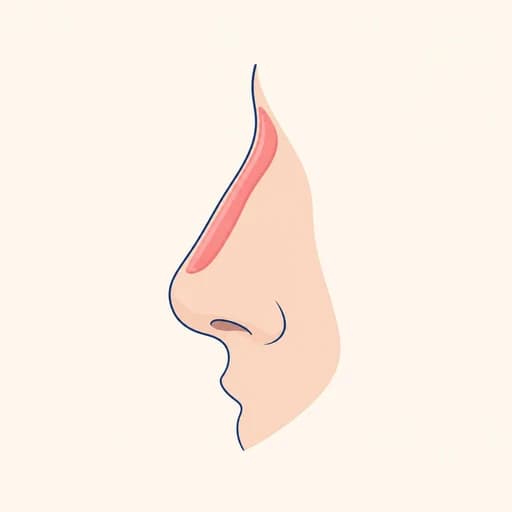
STEP 01
Bridge
silicone or RIBFIT™ implant
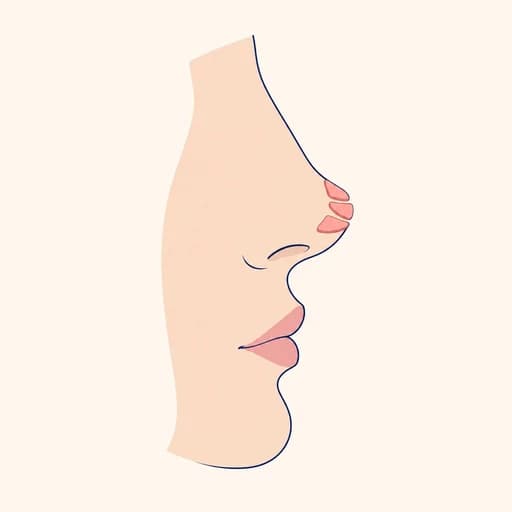
STEP 02
Tip
tip cartilage graft (septal, ear or rib cartilage)
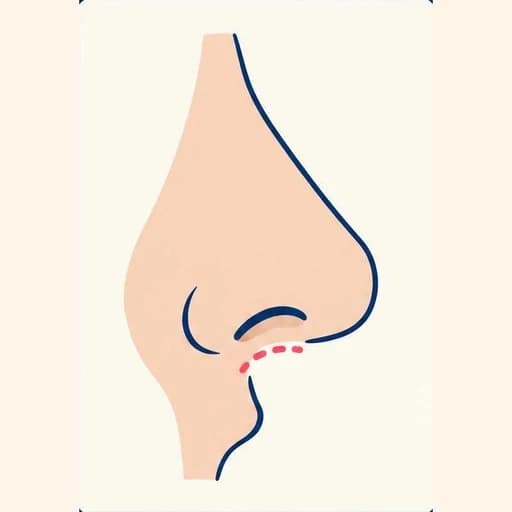
STEP 03
Incision
inside the nose or under the columella, decided by the nose's condition
STEP 04
Only two surgeries a day — Dr. Kim Hyung-taek oversees everything from consultation to follow-up
Recovery
Recovery varies slightly depending on the scope of surgery and combined techniques. Below is the typical course.
- Next day
Nasal packing removal
The packing placed inside the nose is removed the day after surgery.
- 4 days
Cold compress
Apply cold compresses for 4 days to bring down swelling.
- Day 5
Stitch removal
Stitches come out on day 7 if rib cartilage was used. Face washing and makeup are allowed the day after removal.
- 2 weeks
Light exercise
You can resume light exercise.
- 3 wks–1 mo
Implant settling
The period for the implant to settle in place. Avoid pressing on the nose during this time.
- 2 months
No glasses or touching
Avoid wearing glasses and touching or pressing the nose for 2 months.
Featured surgery cases
See real surgical records for this type in the surgery log.
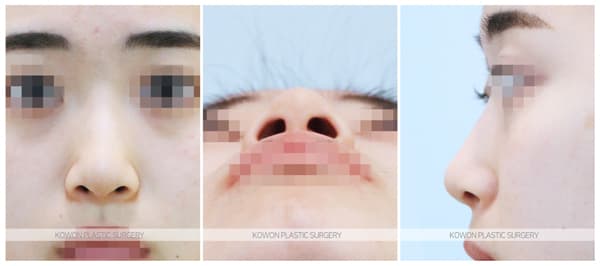
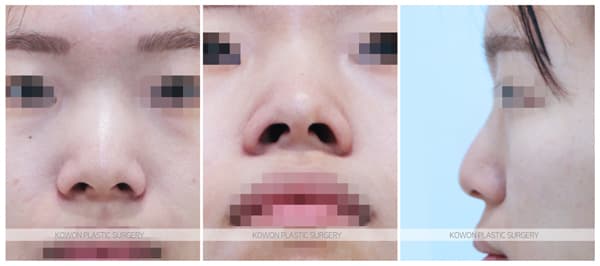

Before & after by type
See more before & after photosBefore & after photos are for members only
Before & after photos are available after login
 BeforeAfter
Revision rhinoplasty · Low bridge · Drooping tip  BeforeAfter
Deviated nose · Bulbous tip · Low bridge  BeforeAfter
Deviated nose · Low bridge  BeforeAfter
Deviated nose · Low nasal tip  BeforeAfter
Deviated nose · Low nasal tip  BeforeAfter
Long nose · Low bridge · Drooping tip
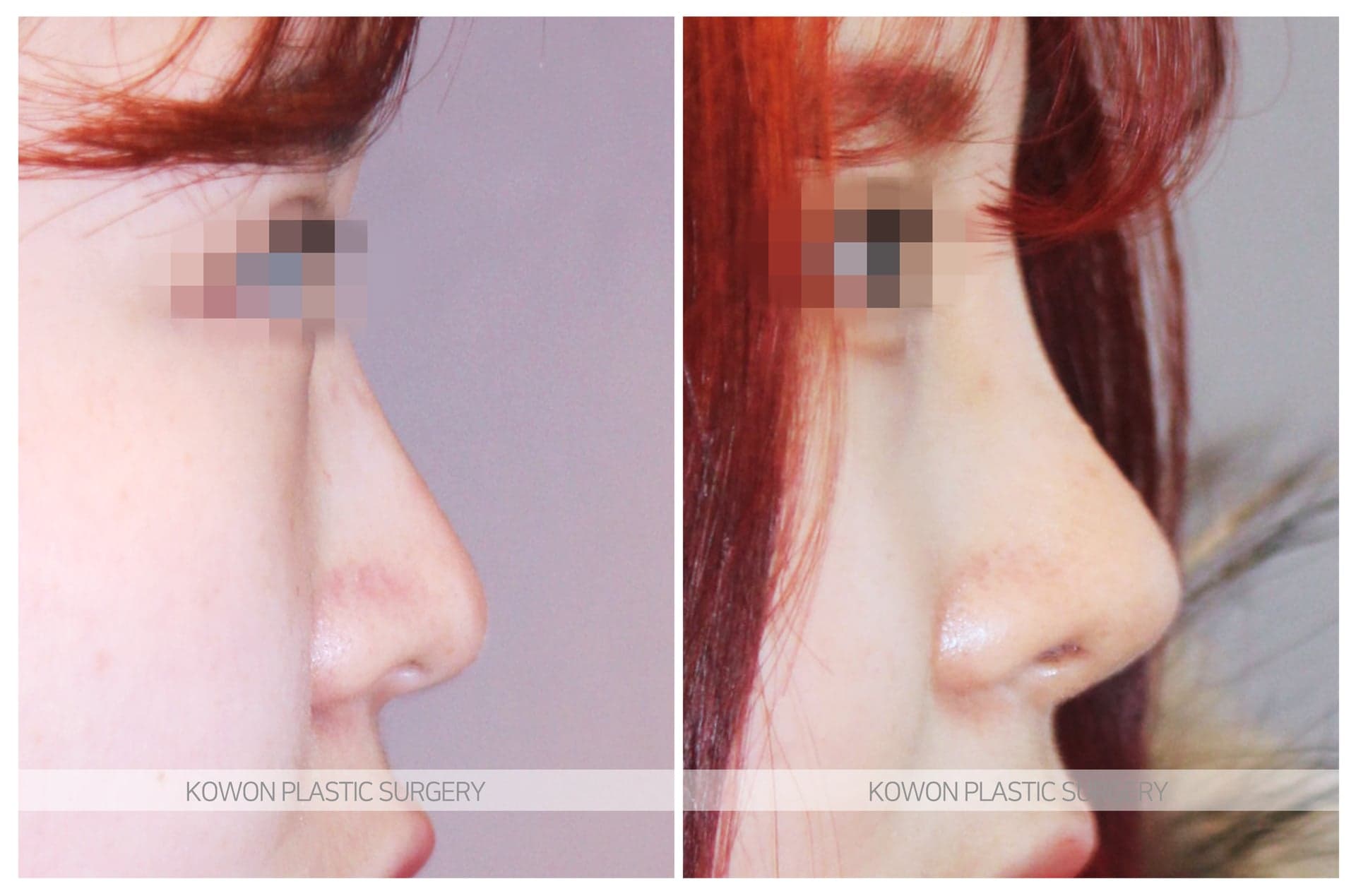
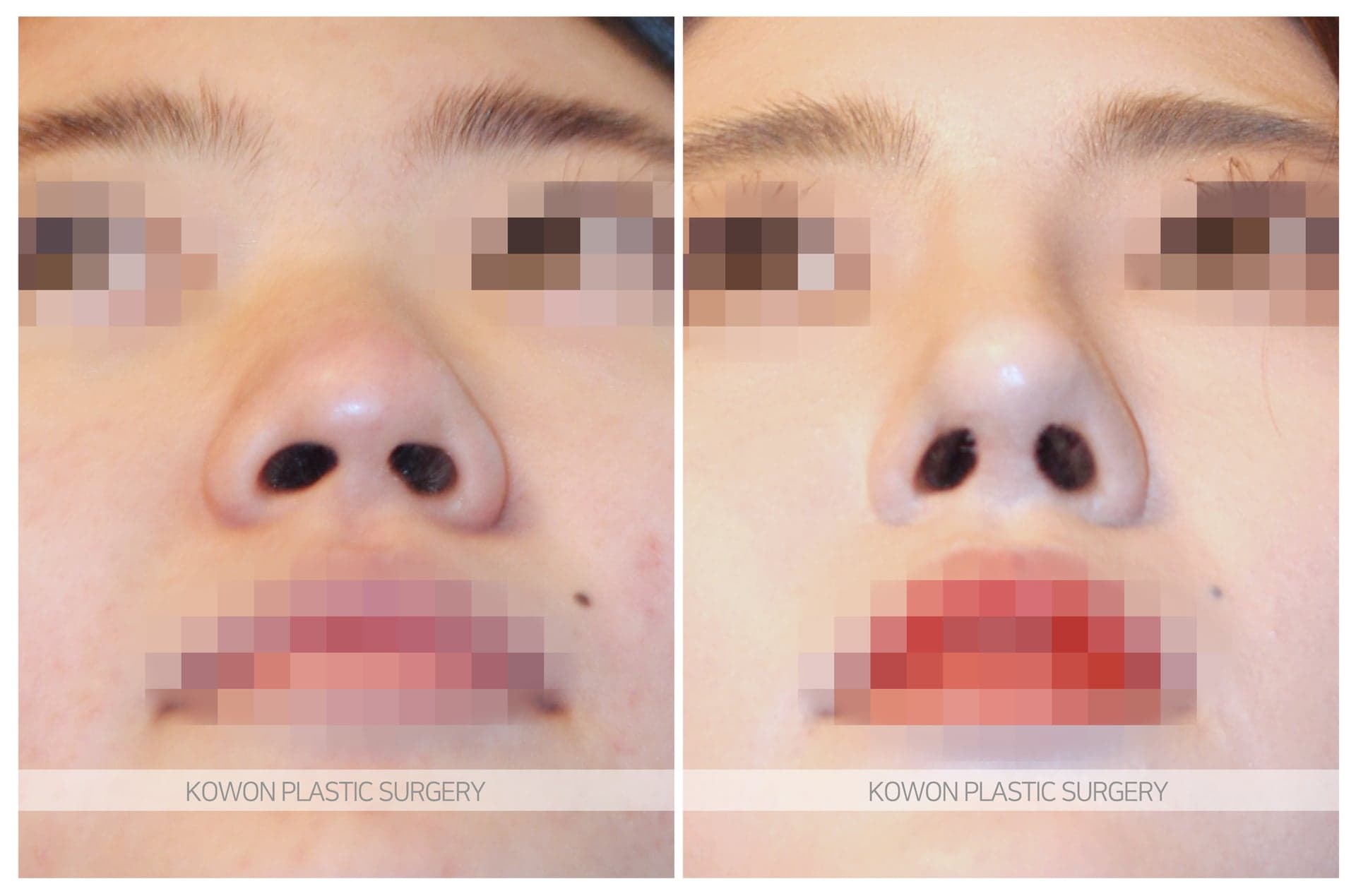
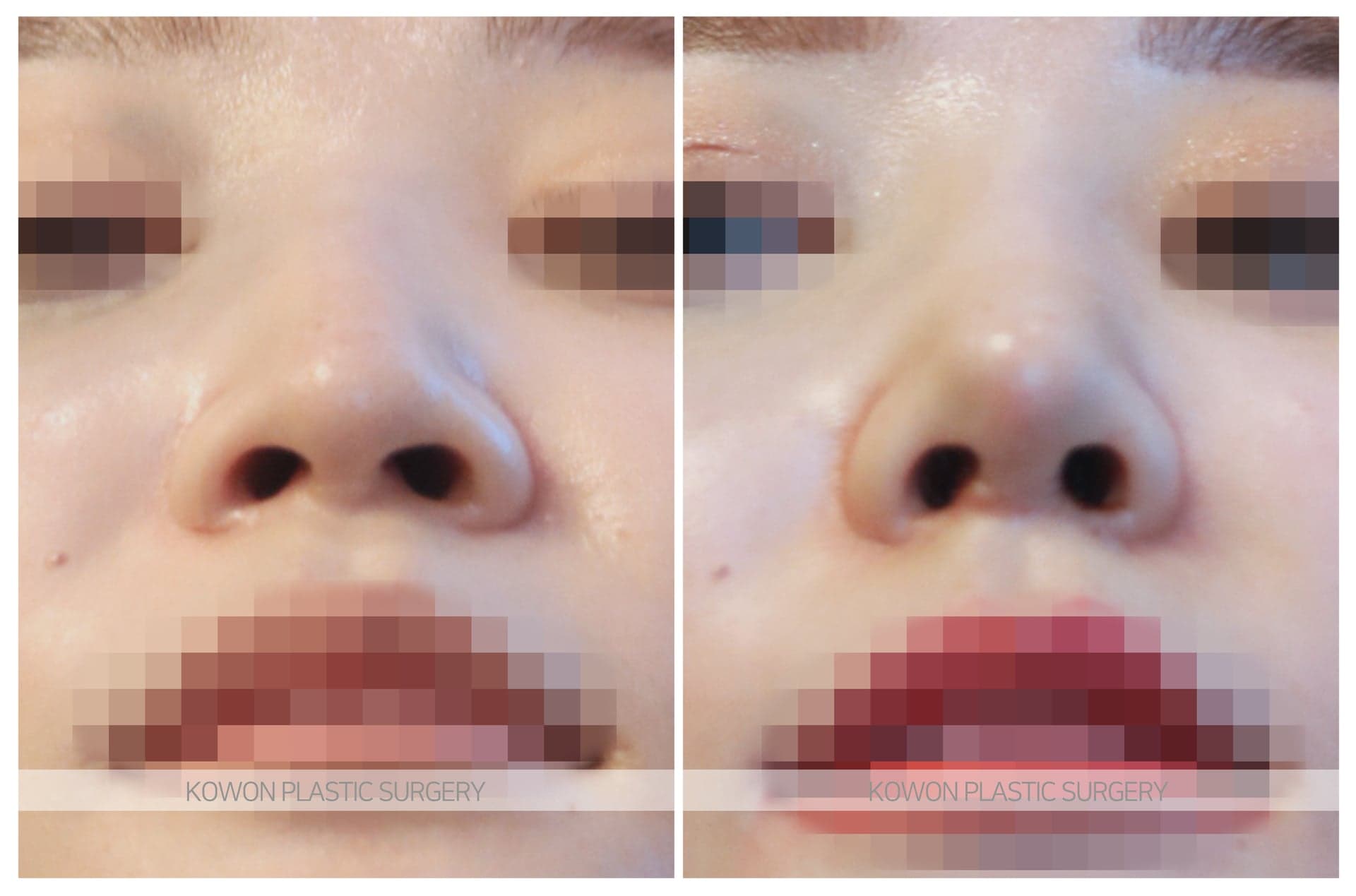
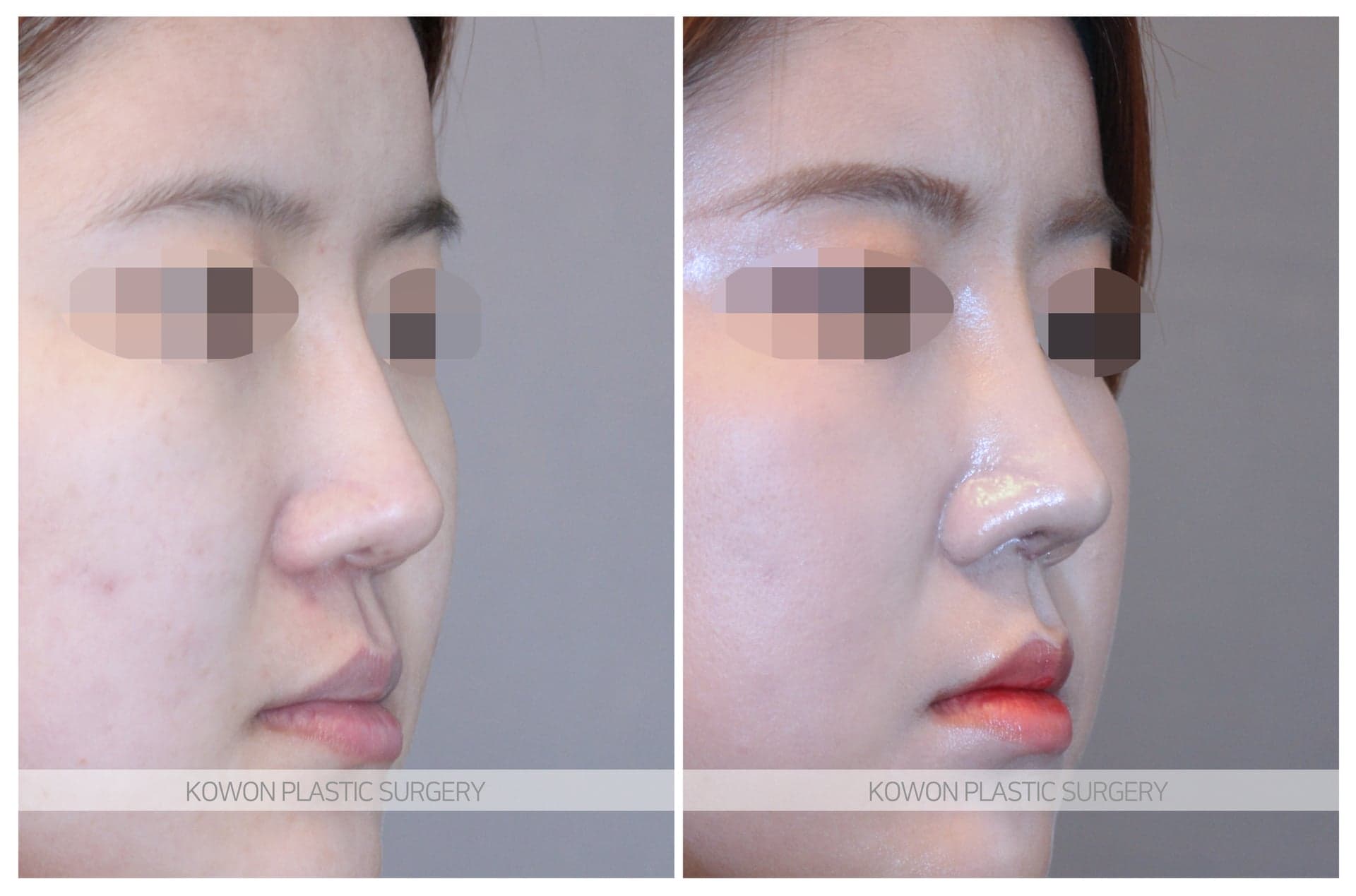
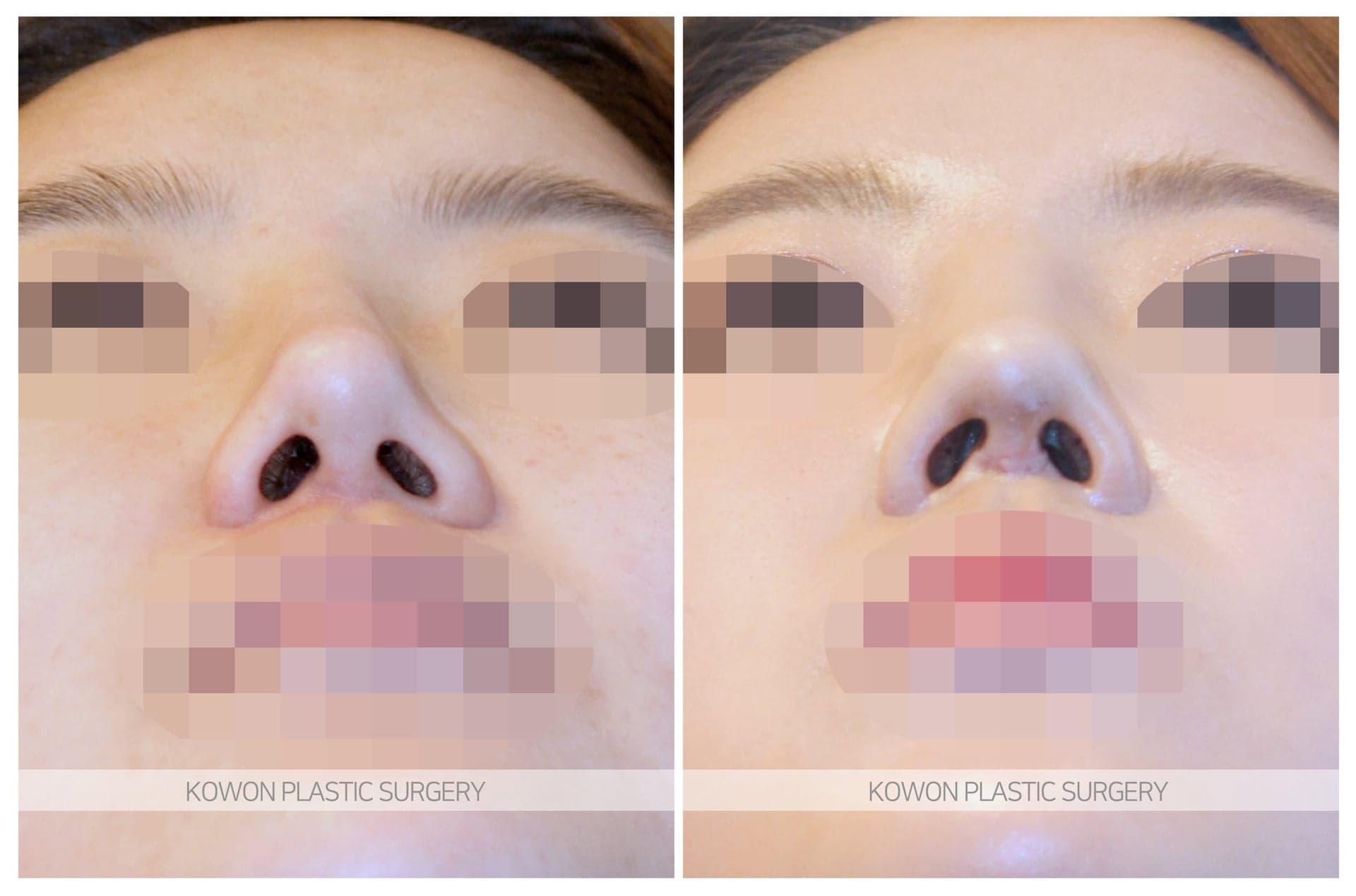
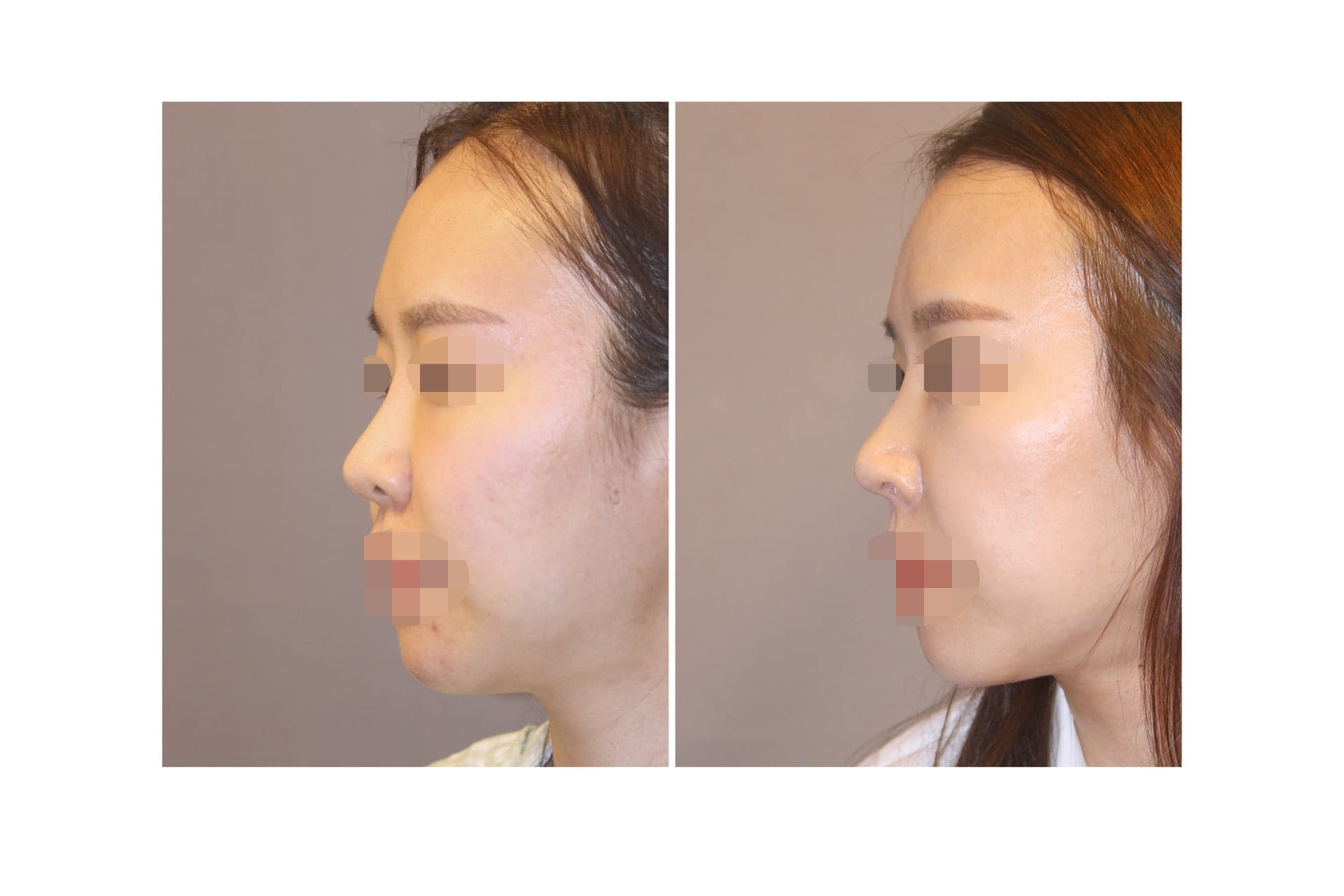
Outcomes and side effects vary from person to person. Bleeding, infection, swelling and asymmetry may occur. Please consult our medical team before making a decision.
Frequently asked questions
If you only need a modest bridge augmentation, silicone is sufficient. If your skin is thin enough that an implant could show through, or a natural feel matters most, I recommend RIBFIT™. We decide after reviewing your CT and skin condition.
If the bridge starting point is set correctly, most results end at 'was your nose always like this?' The key is not being greedy about height.
Major swelling subsides within two weeks. Subtle swelling at the tip settles gradually over several months.
Consultation
Low Nose Rhinoplasty
Dr. Kim Hyung-taek takes personal responsibility from diagnosis through surgery and aftercare.
Book a 1:1 consultationOutcomes and side effects vary from person to person. Bleeding, infection, swelling and asymmetry may occur. Please consult our medical team before making a decision.