
KOWON Blog
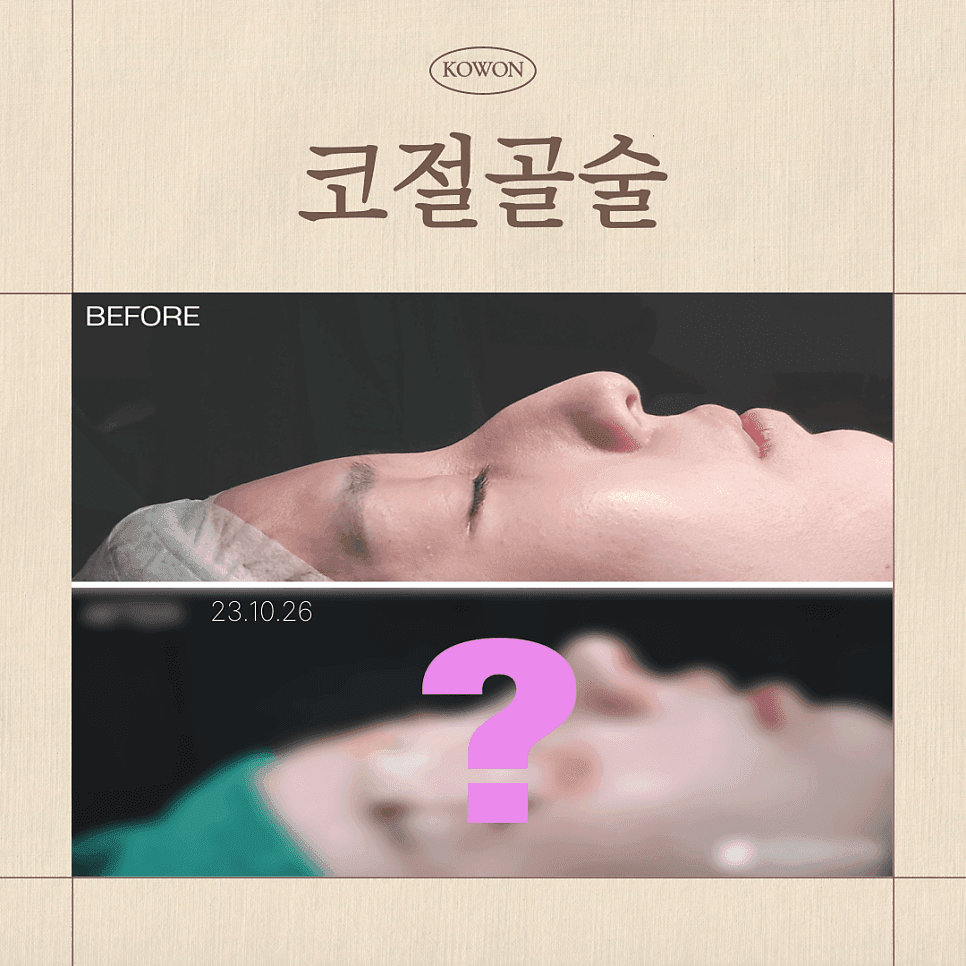
Nasal osteotomy — does every hump nose need the bone-cutting step? Application criteria organized
Not every hump nose needs osteotomy. The conditions where osteotomy is considered (protrusion degree, nasal bone width), distinguishing true vs. pseudo-hump noses, cases where implant-free design is possible, and why functional issues are seen together — organized.
Key points
- Not every hump nose gets osteotomy. It's mainly considered when the hump protrusion is large and the nasal bone width itself is wide.
- You must first distinguish a true hump nose — where bone and cartilage actually protrude — from a pseudo-hump nose — where a low glabella and drooping tip make the middle look relatively protruding.
- Hump noses often have originally high bridges, so many cases allow implant-free design — refining the hump and building up the tip.
"If it's a hump nose, do I unconditionally need osteotomy?"
This was a question cautiously offered in the consultation room by a patient who'd been troubled by the strong impression her protruding dorsum gave in every profile photo. Many hesitate about surgery itself out of fear of bone-cutting or breaking processes.
This article organizes the criteria for judging whether your nose truly needs osteotomy, based on standards established over a long focus on rhinoplasty.
01
Does every hump nose need osteotomy?
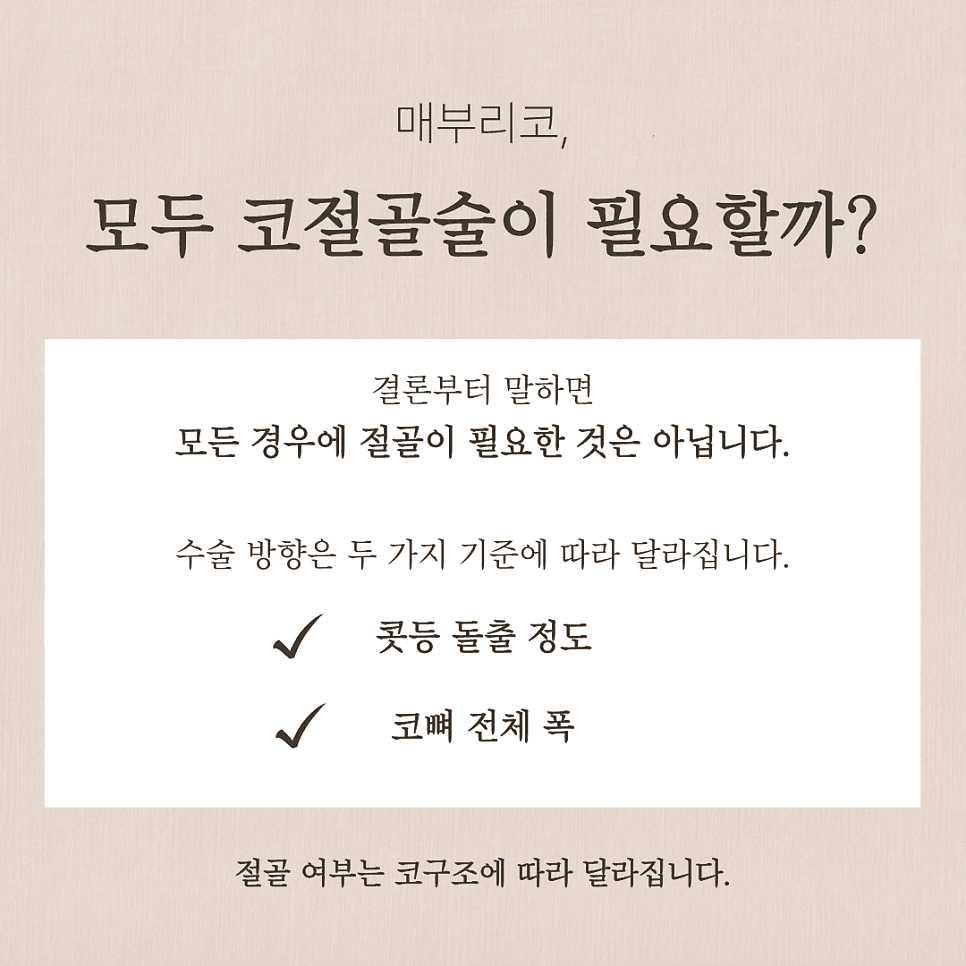
The conclusion first — osteotomy doesn't apply in every case. The surgical direction differs by the dorsum's protrusion degree and the nasal bones' overall width.
Osteotomy is mainly considered when the hump protrusion is large and the nasal bone width itself is wide. Removing a hump can leave the dorsum opening flat — osteotomy is needed then to gather the spread bones together.
But if protrusion isn't severe or the nasal bone width isn't wide, the story differs. Precisely refining the protruding bone and cartilage alone can organize the line. What matters more than shaving a lot is asking 'why is it needed' first. Especially since many Asians don't have excessively wide nasal bones, osteotomy isn't unconditionally assumed.
02
How do true and pseudo-hump noses differ?
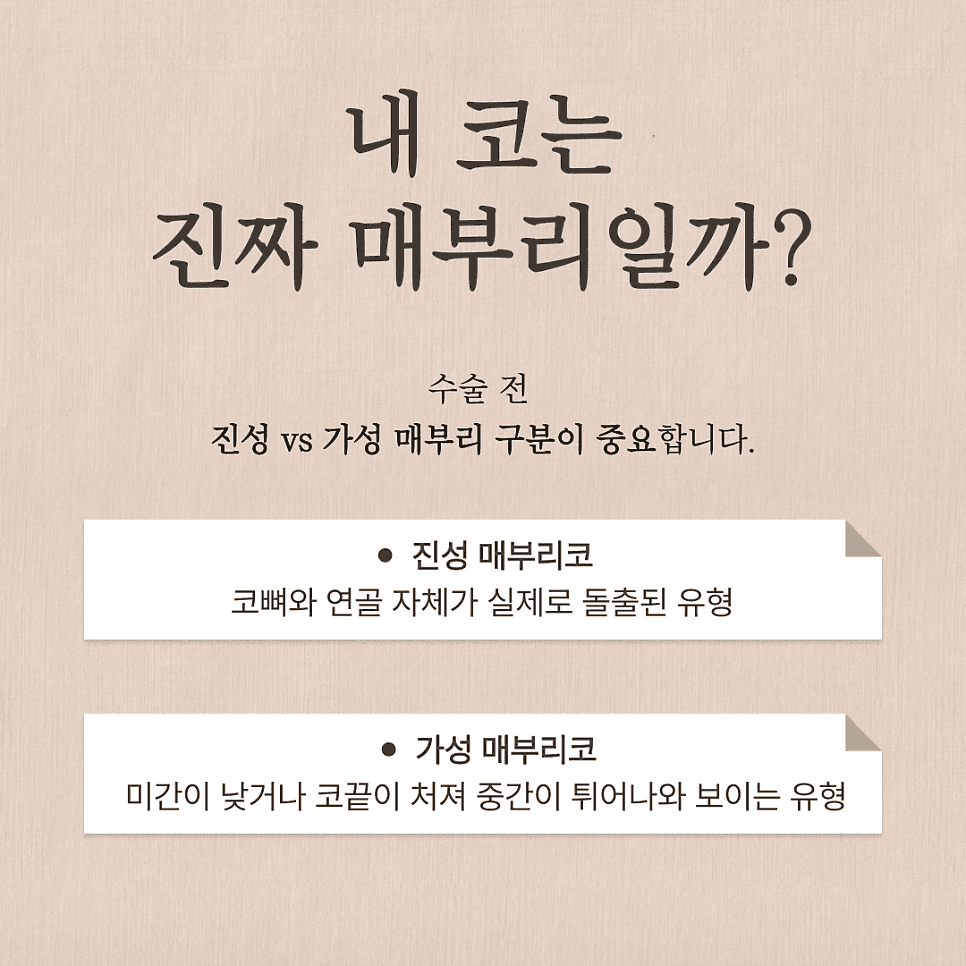
Before surgery, distinguishing whether your nose is a 'true' hump or a 'pseudo' hump can take away much of the fear.
| Category | Feature |
|---|---|
| True hump nose | A type where the nasal bone and septal cartilage themselves overgrew and actually protrude |
| Pseudo-hump nose | A type common in Koreans — the glabella is low and the tip droops downward, making the middle look relatively protruding |
In actual consultations, pseudo-hump noses turn out more often than you'd think. In such cases, just setting the tip cartilage upright — without osteotomy — sometimes softens the impression. Even if you've agonized long thinking bone must be shaved, accurately knowing the structural cause resolves things more simply than expected in many cases.
03
Is hump correction possible without silicone?
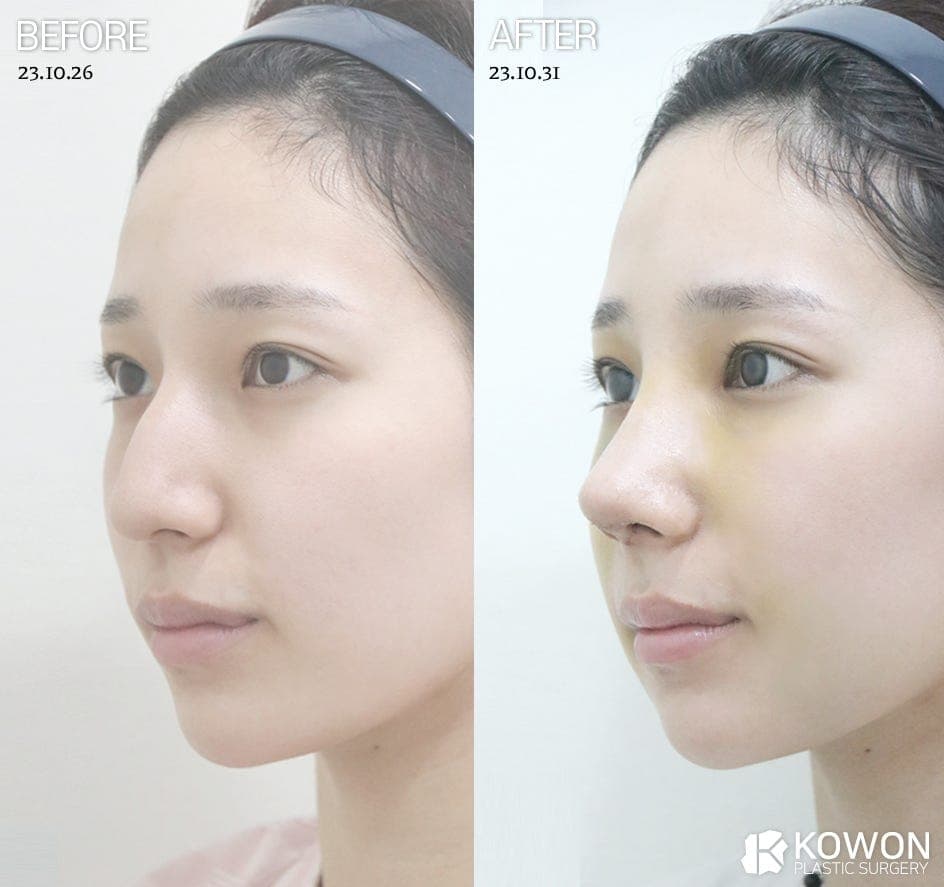
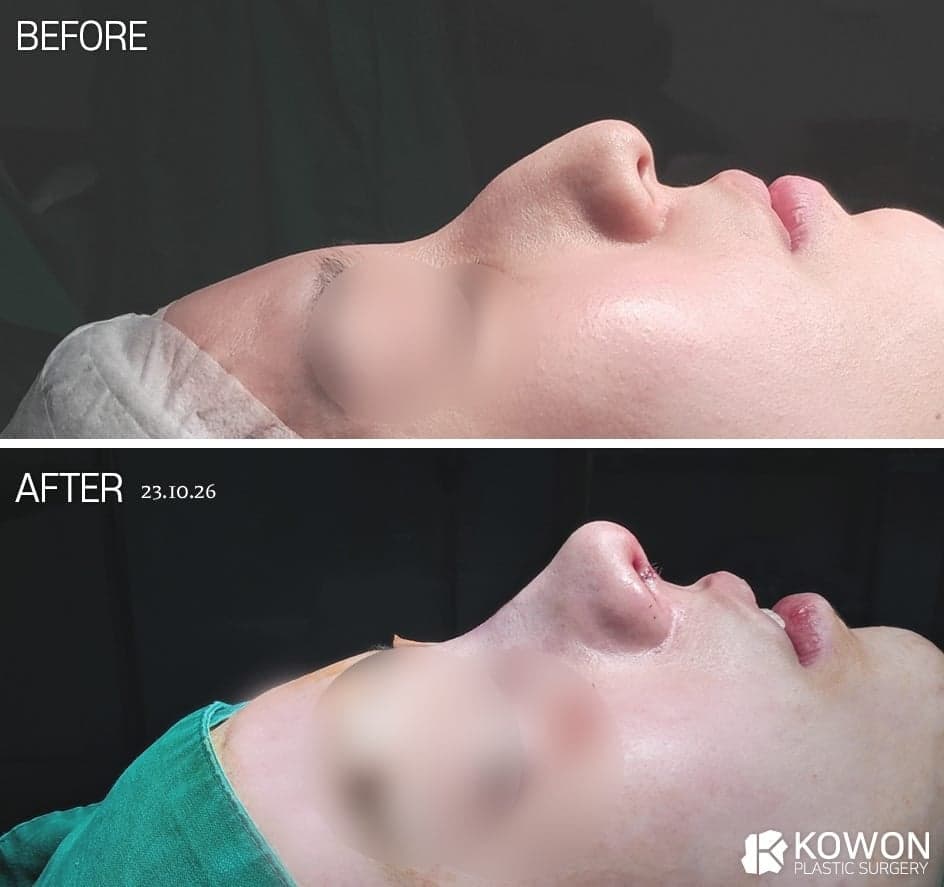
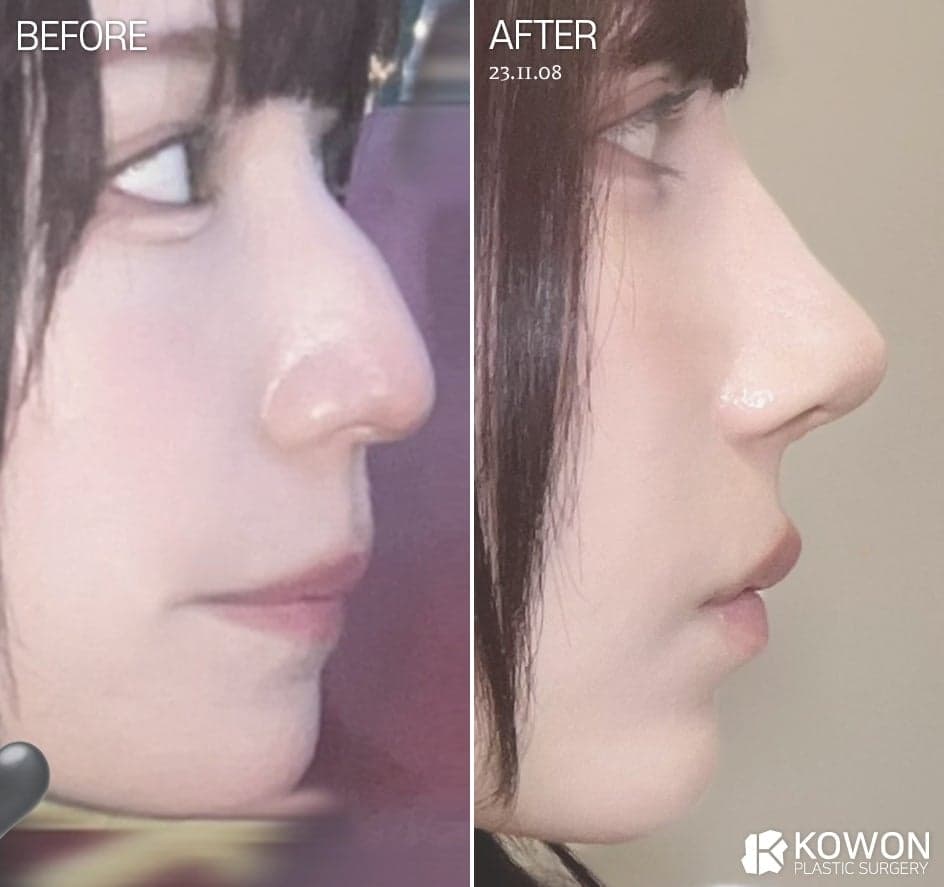
People with hump noses usually have originally high bridges. So refining just the hump and building up the tip makes implant-free design possible in many cases. For those hesitant about implants, autologous tissue-based options get explained.
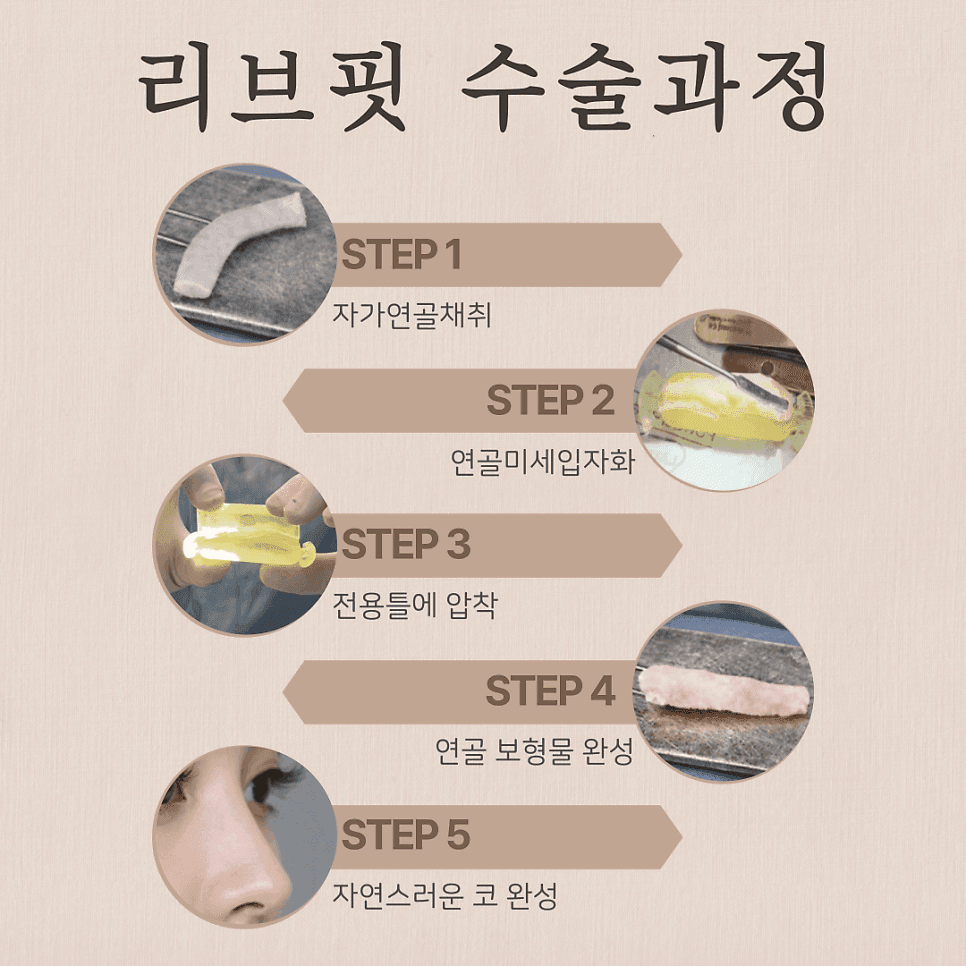
For example, RIBFIT™ applied at KOWON is a method that processes autologous rib cartilage into fine particles instead of silicone, then fabricates it into a form fitting each individual's nasal structure through 3D design. Because it's handled in fine-particle form, fine adjustment is possible — and as autologous tissue, the burden of foreign-body sensation or inflammation is low. Compared to the conventional method of carving a solid rib cartilage block, the absorption rate is lower with less deformation, and the worry about warping is smaller. Still, the final result varies by individual conditions. Material-by-material characteristics can be seen in more detail in the rhinoplasty materials guide.
04
Why are functional issues seen together in hump surgery?
Among people with hump noses, cases suffering nasal congestion accompanied by septal deviation aren't few. So aesthetics and function must be considered together.
For this, pre-surgery 3D-CT analyzes bone thickness and cartilage state three-dimensionally. Whether osteotomy applies — before the technique itself, accurately knowing what the cause is in this nose comes first.
05
Summary — not how much you shave, but what you touch
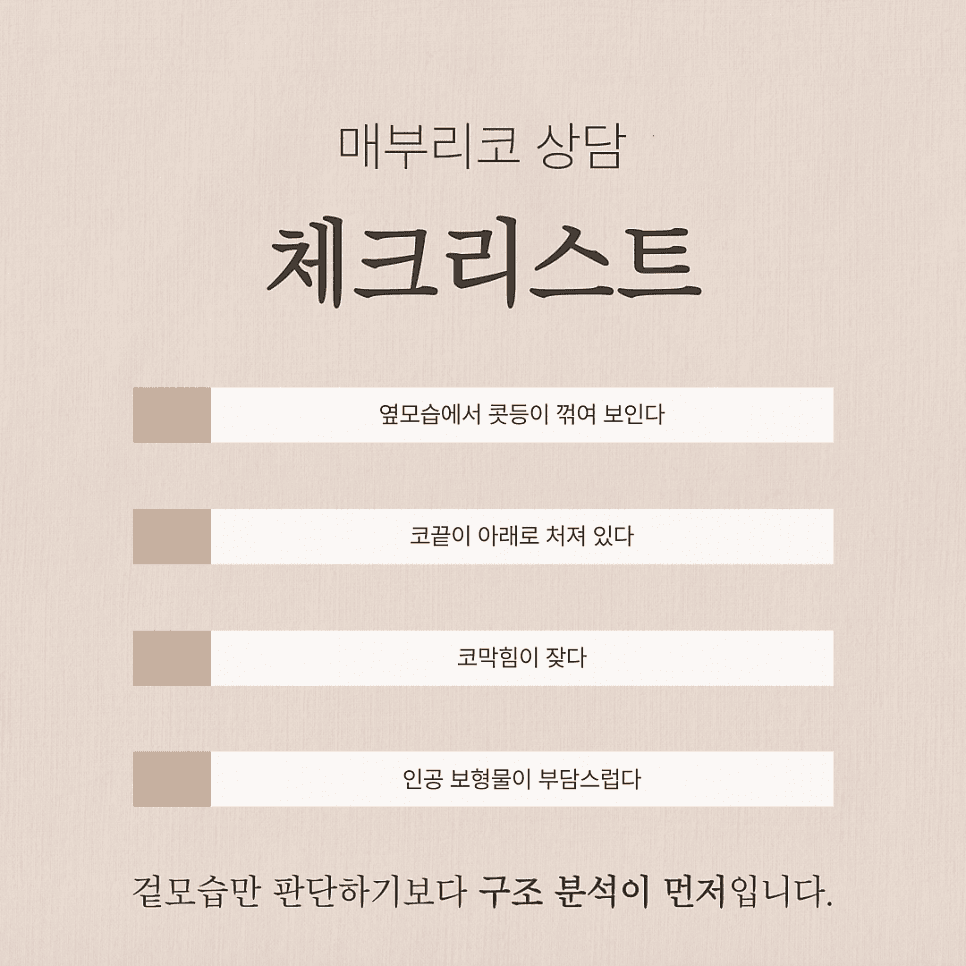
In cases like these, structure confirmation is needed.
- The dorsum looks bent in profile
- The tip droops downward
- Nasal congestion is frequent
- An artificial implant feels burdensome
Judging by appearance alone is hard. So a process distinguishing true from pseudo through structure analysis comes first.
Hump correction isn't a question of how much you shave, but what you touch and how. Its start must depart from the 'criteria' of accurately knowing your nose's structure.
Rather than staying in fear, please check your nasal state first through a specialist's eyes via 1:1 video consultation. Once you know the criteria, direction starts appearing instead of fear.

Frequently asked questions
Answers to common questions patients ask before a consultation.
As a surgery handling bone, proficiency matters. It's one of the stable methods when the conditions are met — accurately grasping the anatomical structure and planning the osteotomy range — and it's not recommended if that judgment doesn't come first.
If bone and cartilage aren't handled in balance, it can look uneven. That's why initial structure analysis matters.
Using autologous rib cartilage and the like allows crisp line design without silicone. Still, the direction varies by skin thickness and existing structure.
Responses to treatment and recovery progress vary by individual. Outcomes and side effects vary from person to person. Bleeding, infection, swelling and asymmetry may occur. Please consult our medical team before making a decision.
Consultation