
KOWON Blog
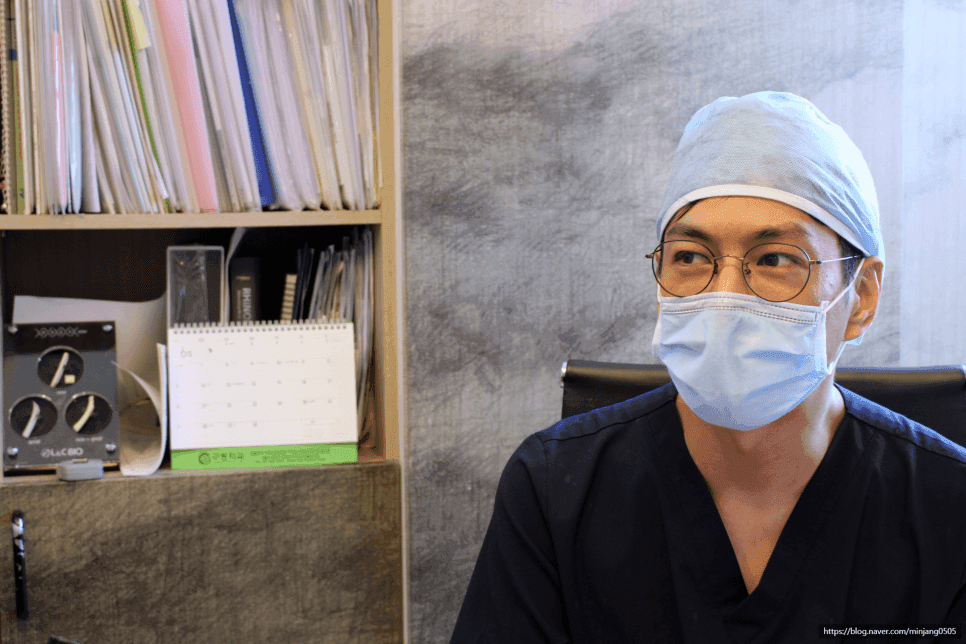
Dr. Hyung-taek Kim of KOWON Plastic Surgery — Why Consultation Starts with 'Listening'
Why Dr. Hyung-taek Kim of KOWON Plastic Surgery starts consultations with listening — approaching the nose as a matter of design rather than height, a scope that includes autologous rib cartilage, muscle, and the nasolabial angle, and the principles of two surgeries a day and real-time surgical CCTV.
Key points
- For 24 years since his first surgery, Dr. Kim has focused on the single structure of the nose, approaching rhinoplasty not as "making" but as "designing to suit the face."
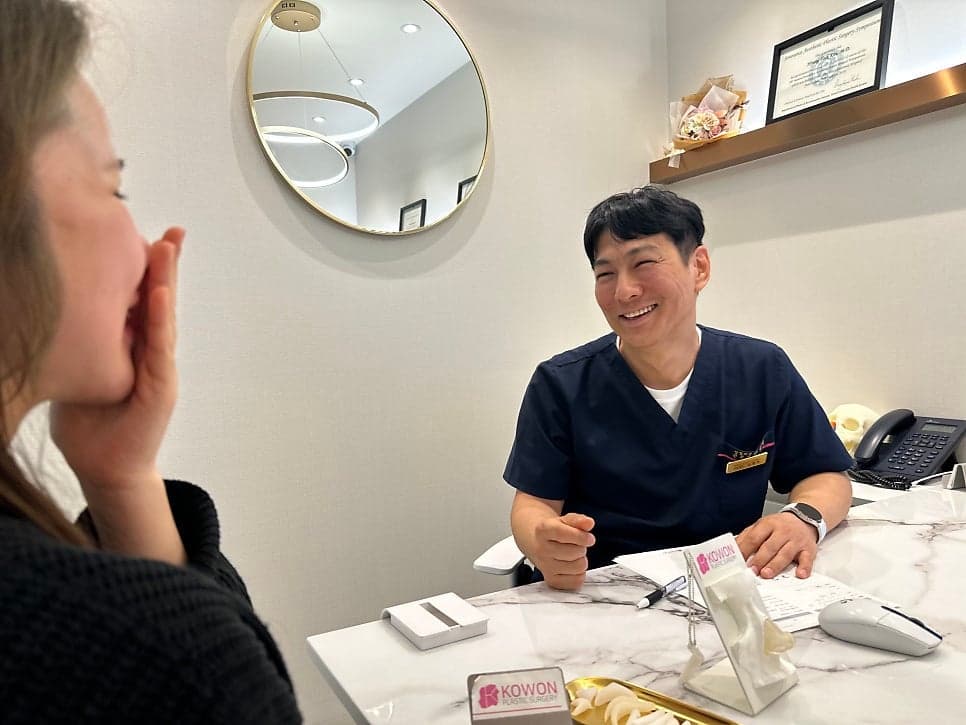
- Care begins not with prescriptions but with listening — design starts from hearing to the end what felt uncomfortable and what kind of look the person wants, rather than requests for specific procedures.
- The scope of design doesn't stop at height — it includes processing autologous rib cartilage, the nasal muscles that move when smiling, and the nasolabial angle (J-curl) — with the principles of performing two surgeries a day and real-time surgical CCTV disclosure.
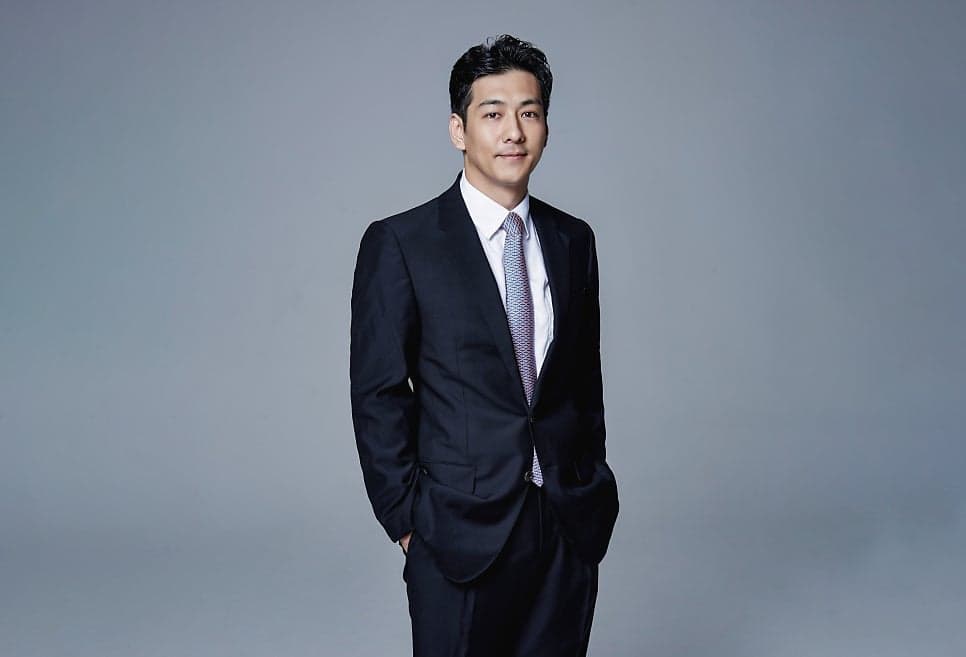
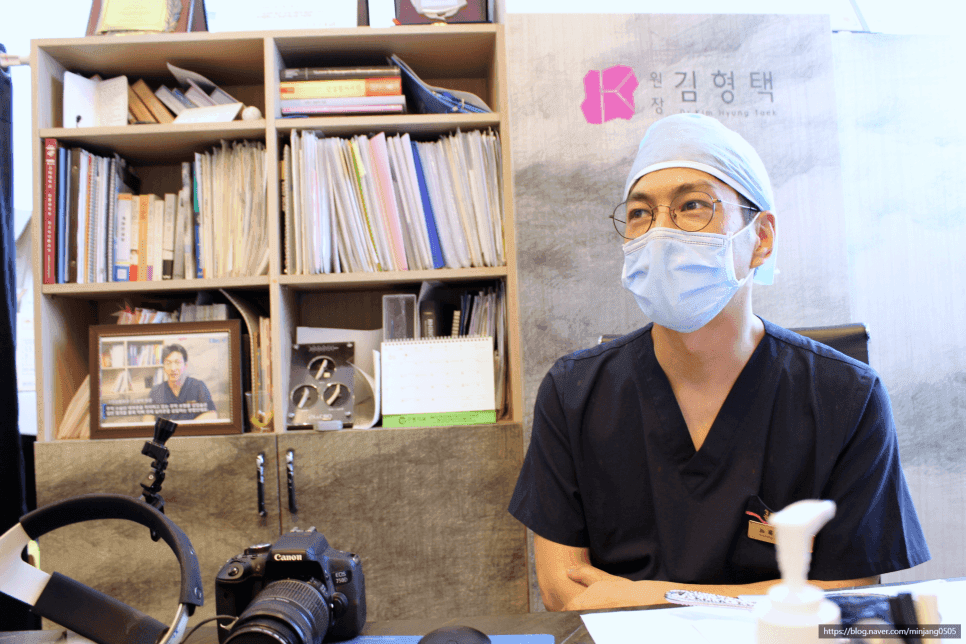
Hello. I'm Dr. Hyung-taek Kim of KOWON Plastic Surgery.
It's already been 24 years since I performed my first surgery as a doctor. Throughout that time I've focused on a single structure — the nose. The nose, the center of the face and the feature that shapes one's impression, can make a person look entirely different with a small change. But I've always thought of this change not as 'making' but as 'designing to suit.' Not simple height adjustment or styling, but structural design that considers three-dimensionality in harmony with the face, plus expression and movement — it's within that concern that I sit in the consultation room every day.
This article organizes how I begin care, and how far I extend the scope of design.
01
Why does care start with 'listening'?
Because before the name of a procedure a patient wants, knowing what felt uncomfortable and what look they want to become is what allows design that fits the face and structure to begin.
- "My bridge is fine, but something looks flat and my mouth seems to stick out."
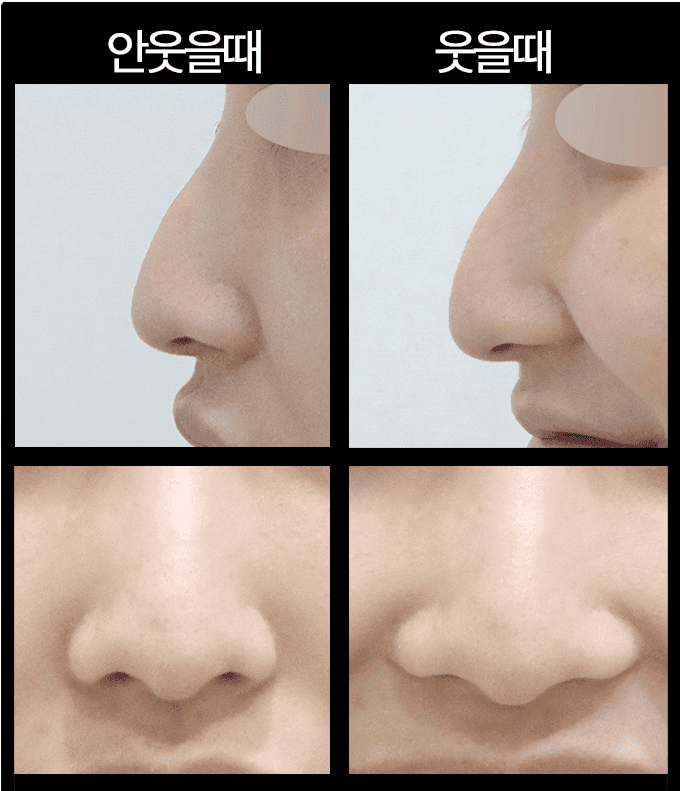
- "When I smile my tip spreads, so every photo is stressful."
- "This is a revision... this time I really want to do it somewhere I can trust."
Whenever I hear things like this, I find myself listening not for a request of 'what to do' but for 'what felt uncomfortable and what look they want.' Through countless cases I've experienced how concerns like these easily repeat when the approach is simply raising the nose.
That's why I think the beginning of care isn't 'telling them what to change' but 'hearing a person's story to the end.' What felt uncomfortable, what they hoped for — listening closely to each word, the direction we can build together is inside it. That's why I deliberate over muscle movement, the flow of expression, and facial angles together.
02
Why isn't surgery that simply raises the nose enough?
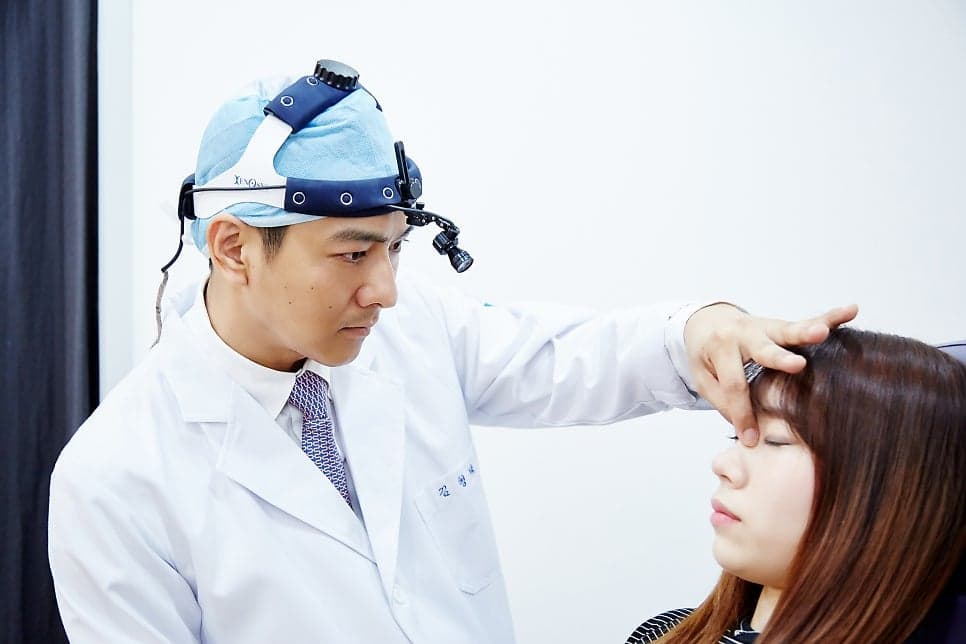
The nose isn't a structure you simply raise. The distance to the lips, the balance with the facial bones, the movement when smiling — all of this must be considered together. That's why I approach it not as a single operation but as a matter of design. Beyond appearance concerns like a low nose, upturned nose, or blunt tip, I analyze structural function too, and set direction based on a design that suits the whole face.
| What I look at in design | Why |
|---|---|
| Balance with facial bones and lips | Because harmony can break if only the height changes |
| Direction and tension of muscles around the nose | Because the cause of a tip spreading when smiling can lie in the muscle |
| Nasolabial angle (the angle between nose and lips) | Because it relates to a flat-looking profile and an impression where the mouth seems to stick out |
| Material processing and placement | Because even the same material yields different results depending on how it's used |
In particular, the reason a tip spreads when smiling isn't simply weak fixation. However nicely the nose is raised, a separate cause for the spreading may exist. So I analyze the direction and tension of the muscles around the nose together, include even muscle movement within the scope of design, and aim for a structure that doesn't fall apart under expression changes. I believe the nose is a moving structure — and understanding and designing for that movement leads to natural results.
03
How do you work with autologous rib cartilage?
Autologous rib cartilage is a material with many advantages among the autologous tissues usable in rhinoplasty. Since it's tissue harvested from your own body, the burden regarding inflammation is relatively low. But the material alone doesn't determine the outcome. How the rib cartilage is used and how it's placed to fit the facial skeleton matter far more.
That's why I design and manage every process myself.
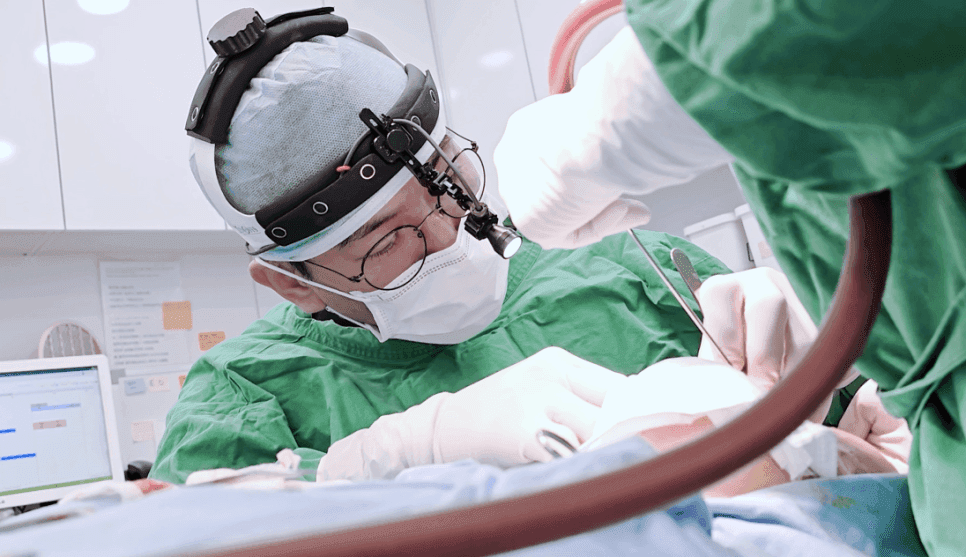
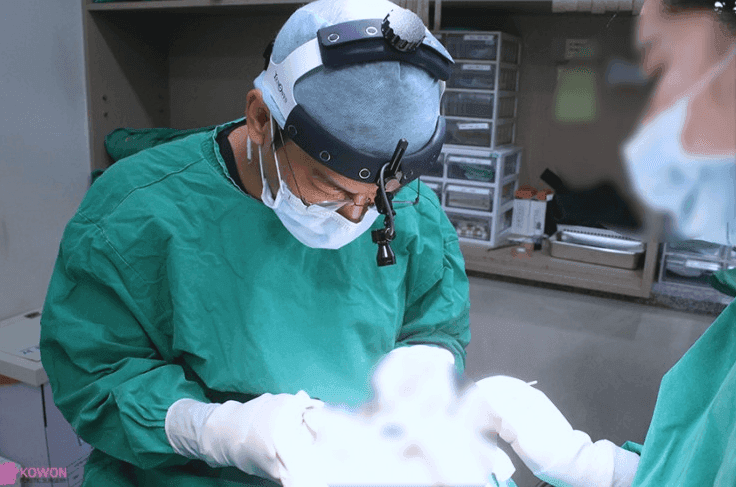
- 01Harvest — because rib cartilage must be harvested from an area adjacent to the lungs, anatomical understanding and proficiency matter. I've personally performed thousands of autologous rib cartilage harvests, and the harvest takes about 20 minutes, performed stably even under sedation anesthesia.
- 02Analysis — after fully analyzing the individual's facial structure with 3D CT, a custom design that fits is applied.
- 03Processing — I continue researching ways to refine the blunt, less refined shape often pointed out in autologous tissue rhinoplasty into something smooth and sleek.
The surgical method using autologous rib cartilage is covered in more detail in the autologous rib cartilage guide.
04
What's different about revision surgery?
People considering revision say things like "it turned out blunter than I expected after my first surgery," "I hate how the implant feels hard to the touch" — and at the end they always add, "this time I really want to get it done somewhere I can trust."
Revision isn't simply returning to the previous state. There are many cases where the implant or cartilage used in the first surgery, or the internal structure, is damaged — a surgery that requires building the structure anew. The material most used here is autologous rib cartilage, because in many cases ear cartilage or septal cartilage was already used in the previous surgery, making rib cartilage — with sturdy tissue and sufficient quantity — the alternative.
Still, using rib cartilage doesn't guarantee a good result. How it's harvested, in which direction it's processed, and how it connects with the existing structure matter far more. I think of revision not as 'restoration' but as 'redesign' that accounts for even the traces of the previous surgery.
05
Why look at the nasolabial angle (J-curl) separately?
A flat-looking profile or an impression where the mouth seems to stick out is in fact often decided not by the bridge but by the design of the angle between the lips and nose — the nasolabial angle. If the nasal line has been tidied yet some unsatisfying impression remains, this part deserves a closer look.
Using the J-curl curve as my standard, I create a nasolabial line that connects to a soft philtrum angle. This area is usually shaped with a silicone implant, but since it's right above the mouth the foreign-body sensation is a notable drawback — so I form the shape through suturing without an implant. Details are in the J-curl nasolabial angle guide.
06
Summary — I want to be a doctor who designs together
I don't think of this work as mere cosmetic surgery. Finding the structure that suits each person best — and being remembered as a doctor who designs that process together — that's why I created a space called KOWON. I'll listen to what patients have to say to the end, deliberate together, and help you find a face that suits you.
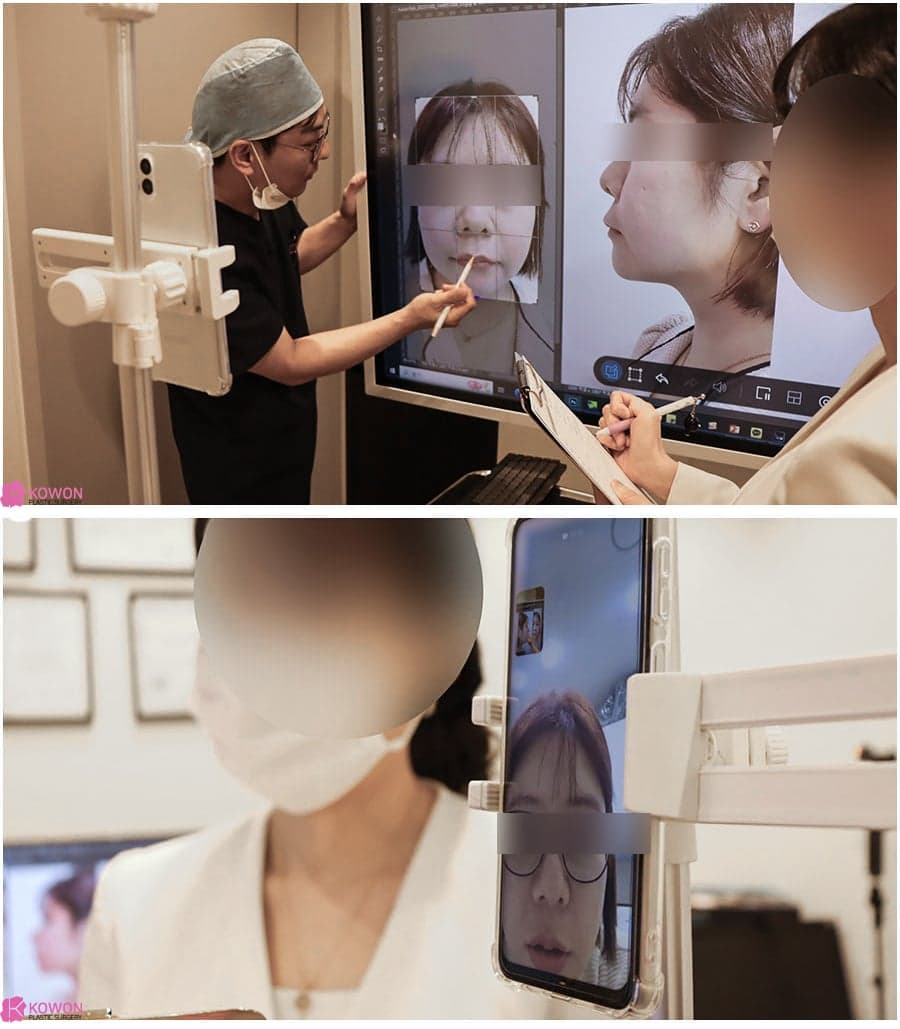
If you have concerns about your nose, the conversation can begin in a 1:1 video consultation.
Frequently asked questions
Answers to common questions patients ask before a consultation.
I perform only two a day — because designing each person fully and maintaining an environment where I can focus during surgery matters to me.
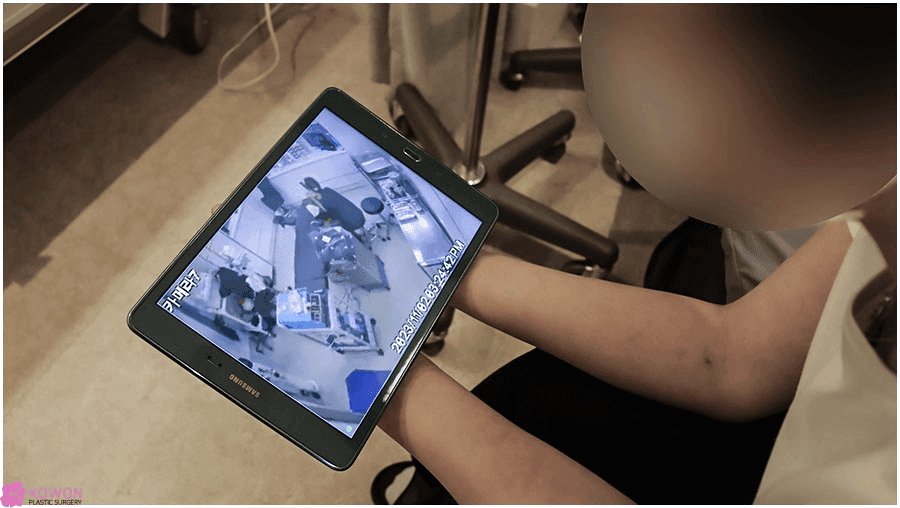
Surgical CCTV is disclosed in real time. And from the 1:1 dedicated video consultation through recovery, the entire process of care and surgery is managed as a single flow.
When I receive that kind of request I answer, "let's find a nose that suits you even better than this one together." Every face is different — and the standard of what suits differs just as much. The desired image serves as the starting point, and together we find a direction that fits the structure and proportions of your face.
Responses to treatment and recovery progress vary by individual. Outcomes and side effects vary from person to person. Bleeding, infection, swelling and asymmetry may occur. Please consult our medical team before making a decision.
Consultation