
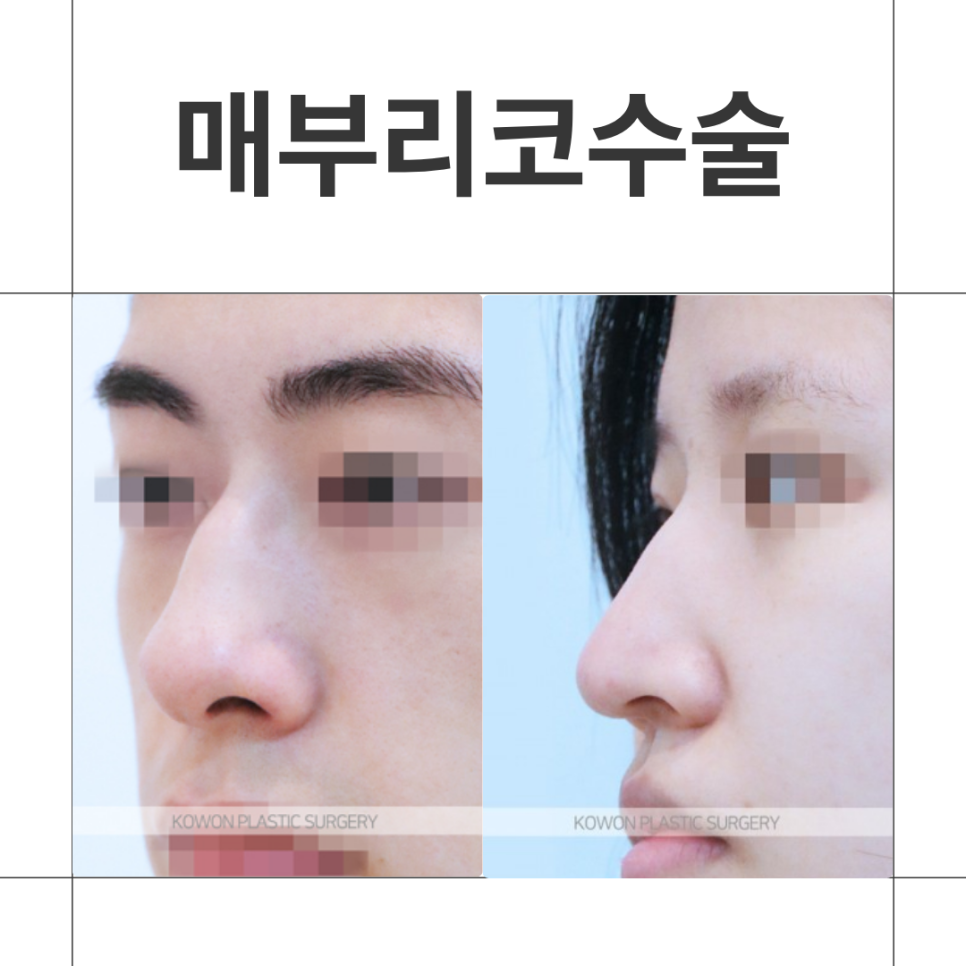
Dorsal hump surgery methods, causes of nasal tip drooping, and even muscle correction
If you undergo dorsal hump surgery, is it enough to just shave down the protruding nasal bridge?
It is easy to think that if the nasal bridge looks convex from the side, you only need to remove the protruding part.
In reality, the surgical method varies depending on the size of the dorsal hump and the area of protrusion.
Especially if the nasal tip is also drooping downward, simply refining the nasal bridge may leave the nose looking long.
Today, The reason why you should consider both dorsal hump surgery methods and nasal tip drooping will be explained.
Is it enough to just shave the bone in dorsal hump surgery?
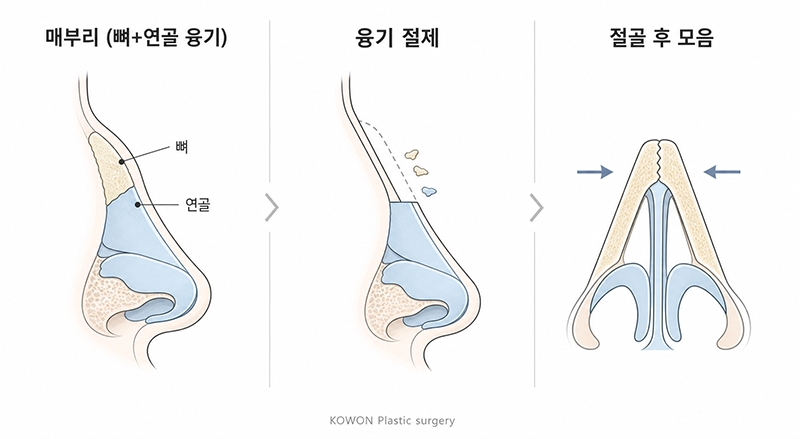
A dorsal hump is not just a protruding nasal bone, but often a case where both bone and cartilage protrude together is common.
Therefore, simply shaving the bone does not remove all the convexity of the nasal bridge.
Some people have a more prominent bone, while others have a more pronounced cartilage protrusion.
If you only refine the bone and leave the cartilage protrusion as is, a contour may remain when viewed from the side.
Dorsal hump surgery is a surgery that examines the entire protruding area and refines the contour of the nasal bridge—this is how you can understand it.
However, it is not always necessary to make the dorsal hump perfectly straight.
How much of the nasal bridge contour to leave is decided by considering the overall harmony with the face.
How do dorsal hump surgery methods differ?
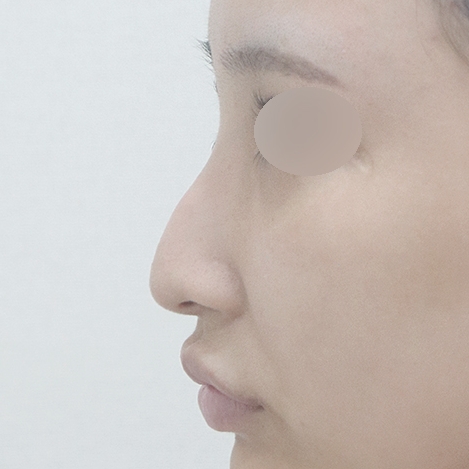
Dorsal hump surgery methods vary depending on the size of the protruding area and the expected shape of the nasal bridge after correction.
If, after refining the dorsal hump, the nasal bridge is expected to remain wide, you should consider not only removing the protruding part but also bringing the sides of the nasal bone together.
Dorsal hump condition
Correction methods to consider
If the protrusion is not severe
Refining the protruding part
If the dorsal hump is large or the nasal bridge is expected to remain wide
Correction of the protruding area and bringing the nasal bones together
Not everyone with a dorsal hump needs to have their nasal bones brought together.
You need to consider what shape the nasal bridge will have after removing the protruding area to determine the necessary scope of correction.
Even if the degree of nasal bridge protrusion looks similar, the proportion of bone and cartilage and the degree of nasal tip drooping are different for each person.
This is why it is difficult to determine the necessary surgical scope based only on the visible size of the dorsal hump.
Should nasal tip drooping also be corrected during dorsal hump surgery?
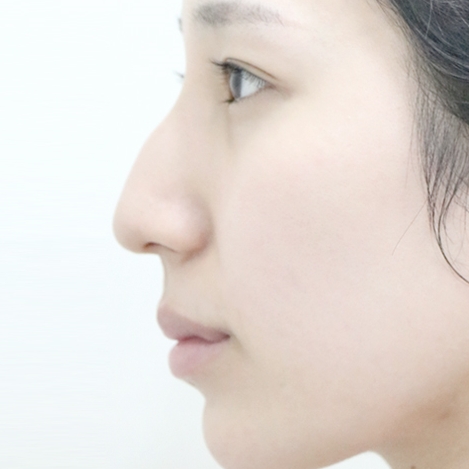
If nasal tip drooping accompanies a dorsal hump, you need to consider not only the nasal bridge but also the position of the nasal tip.
Among those with a dorsal hump, some have a nasal tip that droops downward, making the nose look long, and there are such cases.
In this state, if you only refine the protruding part of the nasal bridge, even if the dorsal hump is reduced, the drooping appearance of the nasal tip may remain.
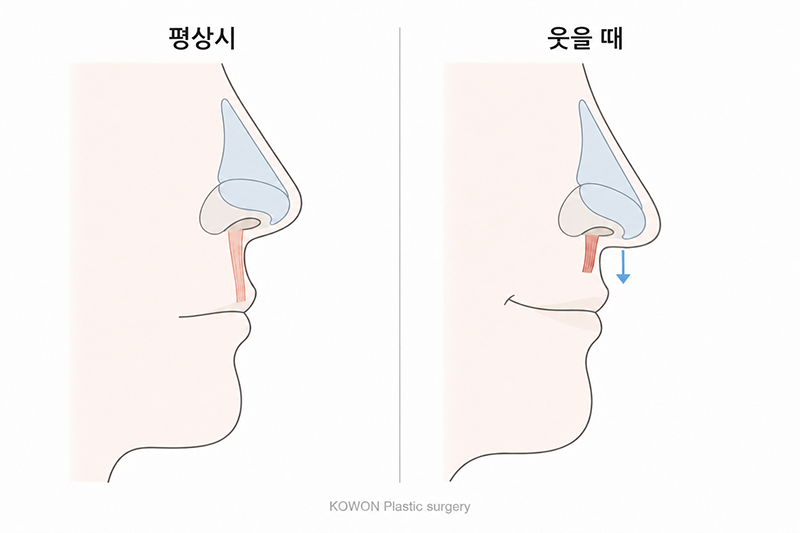
If the nasal tip is drooping, it also affects the shape where the nasal bridge and nasal tip connect when viewed from the side.
Therefore, you must also consider how much to raise the nasal tip and how to match the height difference with the nasal bridge, together.
However, simply raising the nasal tip high is not always the answer just because it is drooping.
Adjusting the position of the nasal tip alone may change the impression of a long-looking nose.
If the nasal tip drops when you smile,
is muscle correction necessary?
If the nasal tip especially drops downward when you smile, you need to check the influence of the depressor septi nasi muscle. You should check the influence of the depressor septi nasi muscle.
The depressor septi nasi muscle is located in the area connecting the lower part of the nasal tip to the upper lip, and when you smile or move your mouth, it pulls the nasal tip downward.
If the nasal tip does not appear very droopy normally but drops the moment you smile, it is necessary to observe the movement of this muscle.
The nasal tip dropping when you smile and the nostril wing rising are movements involving different muscles.
Since there are also muscles that lift the nostril wing, you need to distinguish between these two appearances.
• If it is fine normally but drops especially when you smile, check the influence of the depressor septi nasi muscle.
• If the nasal tip is droopy even at rest and there is little change when smiling, check the support of the nasal tip.
• If both appearances are present, check both the muscle pull and the support of the nasal tip.
Muscle correction is a method of partially excising or adjusting the function of the muscle to reduce the force pulling the nasal tip downward.
Not everyone needs muscle correction just because the nasal tip moves when smiling.
What are the reasons for the nasal tip drooping again after dorsal hump surgery?
One reason for the nasal tip drooping again after dorsal hump surgery is not sufficiently considering the action of the muscle that pulls the nasal tip downward.
Even if the dorsal hump is refined and the position of the nasal tip is adjusted, if the depressor septi nasi muscle pulls the nasal tip downward every time you smile, the nasal tip may still drop after surgery.
Especially for those whose nasal tip droops noticeably when smiling, simply correcting the dorsal hump may not be sufficient.
Therefore, you also need to check how much the muscle pulling the nasal tip downward is acting.
At this time, muscle correction is The purpose is to reduce the force that pulls the nasal tip downward. There is.
However, if the nasal tip itself has weak support, the support must also be checked.
Over 20 years focused on nose surgery What I consider important from my experience is distinguishing the causes of nasal tip drooping.
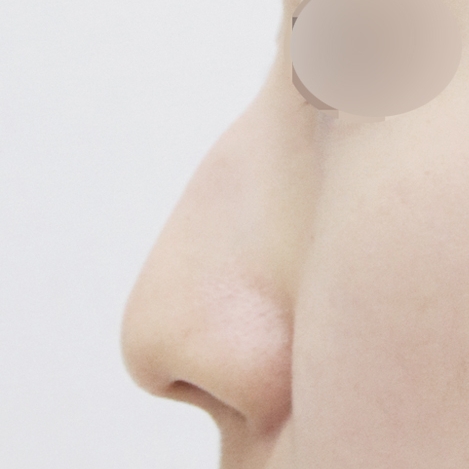
Dorsal hump surgery is not only about the protruding nasal bridge, but also about examining the muscles that pull the nasal tip when smiling and determining the necessary range of correction that must be done.
When considering dorsal hump surgery, you may first want to remove the noticeable protrusion of the nasal bridge.
However, if the nasal tip is also drooping, simply refining the protruding part may result in a different appearance than expected.
I believe that before deciding how much to raise the nasal tip, it is important to examine why it is drooping downward.
If you have been concerned about both the dorsal hump and nasal tip drooping, I hope this helps you understand which parts of your nose are influencing the issue.

Hyung-taek Kim, Chief Director of KOWON Plastic Surgery
I always provide consultations with this mindset.
A nose that suits your face, we will find it together
Preview virtual surgery results with a 1:1 video consultation


Causes of nasal tip drooping after nose surgery—if it droops again, is revision surgery necessary?
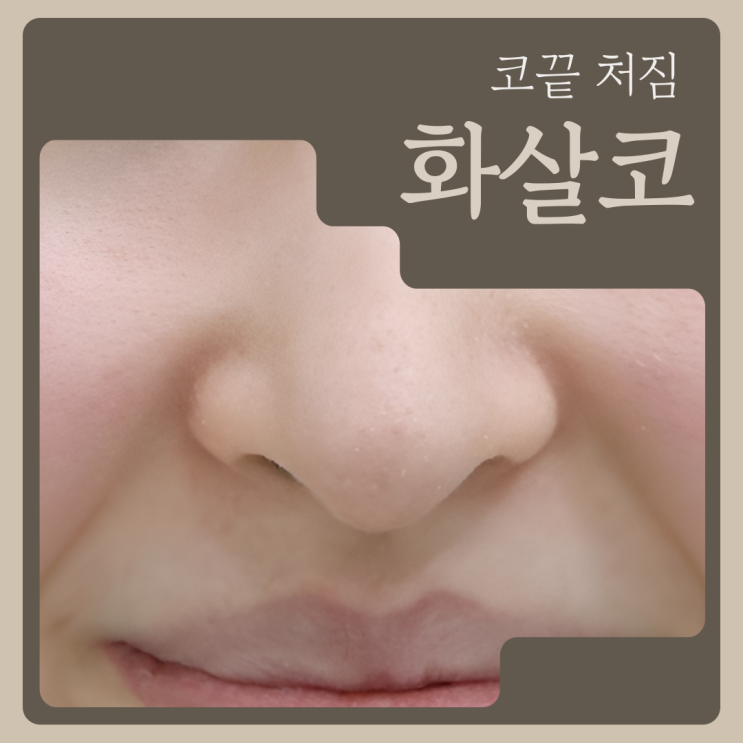
Nasal tip drooping, correcting only the arrow nose (droopy tip) is not the end
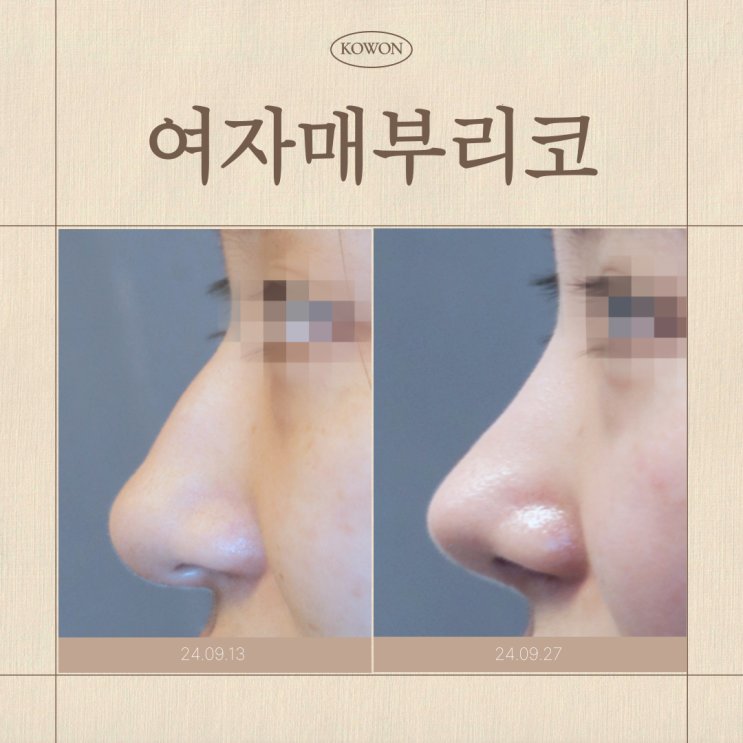
Female dorsal hump, is correction possible with implant-free nose surgery?
KOWON Plastic Surgery
2nd Floor, KBL Center, 110 Dosan-daero, Gangnam-gu, Seoul

View original post on Naver Blog
This procedure/surgery may cause side effects such as bleeding, infection, swelling, or asymmetry depending on the individual. Please make a decision after consulting with medical staff for accurate information.
— Dr. Hyung-taek Kim, KOWON Plastic Surgery