
KOWON Blog
Male hump-nose surgery — when clinics suggest differently: choosing between closed osteotomy and open surgery
A man's question after two clinics suggested different hump-nose surgery methods — between closed osteotomy (intra-nasal approach) and open surgery, what criteria to choose by, and why the degree of change you want is the decision criterion — organized.

Key points
- Even for the same nose, clinics can suggest different surgical methods — rhinoplasty methods differ by individual nose shape, and each clinic has a difference in perspective.
- If you naturally want only the hump gone, closed (intra-nasal) osteotomy may fit; if the bridge is wide and the whole nose feels large, open surgery trimming the whole structure may be more appropriate.
- Ultimately the criterion isn't 'which surgery is better' but how much change you want in your nose.
A hump nose with a protruding bridge can give a strong impression, but depending on angle and shape it can also create a burdensome or sharp-looking impression. Men often lack information about the overall process or results of plastic surgery, becoming more cautious when deciding on surgery.
This article organizes a real question and answer from a man deliberating after two clinics suggested different hump-nose surgery methods.
01
What was the concern?
After visiting several plastic surgery clinics, two clinics remained as favorites — but the suggested methods differed.
| Category | First clinic | Second clinic |
|---|---|---|
| Approach | Hump osteotomy entering through the nose (closed) | Open surgery |
| Surgery scope | Shaves the hump and side parts together; can add an implant at the glabella if wanted | After severe hump osteotomy, supplements the bridge with silicone and raises the tip with ear cartilage |
| Notes | Bone may relatively regrow over time, so considering a second surgery is fine; cost relatively affordable | A method trimming the whole structure together |
The first clinic said the hump was severe but the overall nose size and shape were fine — suggesting the closed method with explanation that open surgery could create functional problems and make revision difficult. The question: both clinics sounded persuasive, so which method was better?
02
Why do clinics suggest different methods?
Since rhinoplasty methods differ by individual nose shape, clinics can suggest different methods even in the same situation. The two clinics' suggestions differed precisely because of this difference in perspective.
The first clinic appears to have explained a method trimming only the hump via relatively simple closed surgery. If you naturally want only the hump gone, this method may fit. On the other hand, if the bridge is wide and the overall nose size also feels large, like the second clinic's suggested open surgery, trimming the whole structure may be more appropriate.
03
Then what should the selection criteria be?
Ultimately what matters in hump-nose surgery isn't 'which surgery is better' but how much change you want in your nose.
- 01Decide the desired change range first — whether to tidy only the hump or trim the whole line through bridge and tip changes which method fits.
- 02Ask directly about result differences by method — if judging is hard, asking the clinic directly how results differ with each surgical method like hump osteotomy is good.
- 03Gather more opinions if needed — if still deliberating, visiting a few more clinics for diverse opinions is also a good method.
What to confirm at consultation can be seen in more detail in the consultation guide.
04
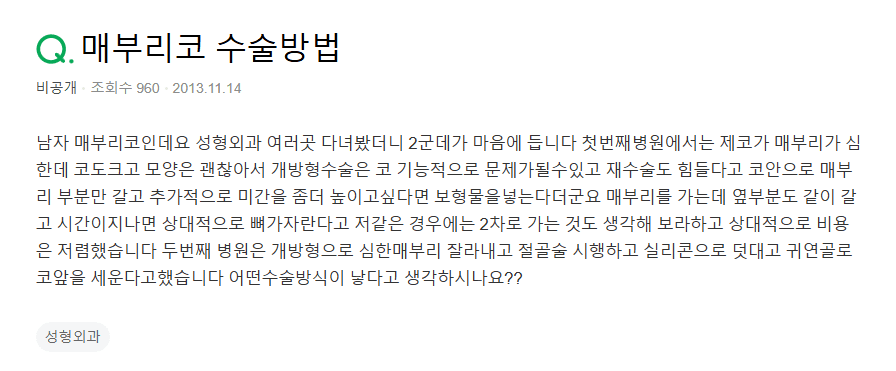
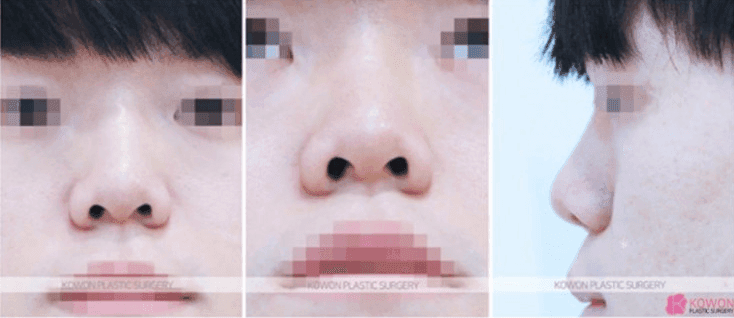
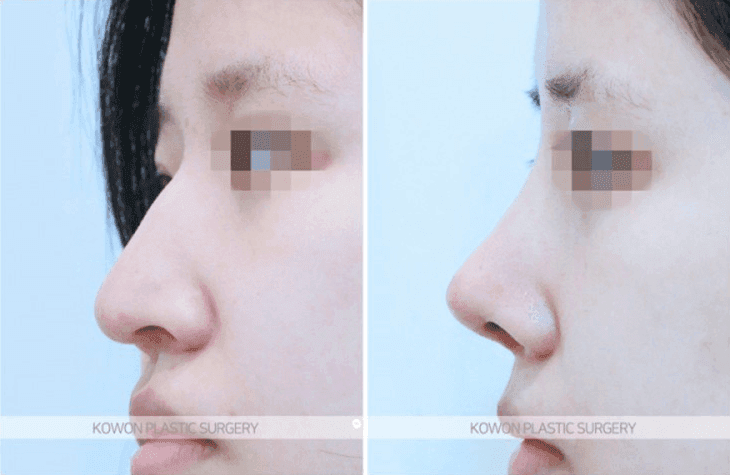
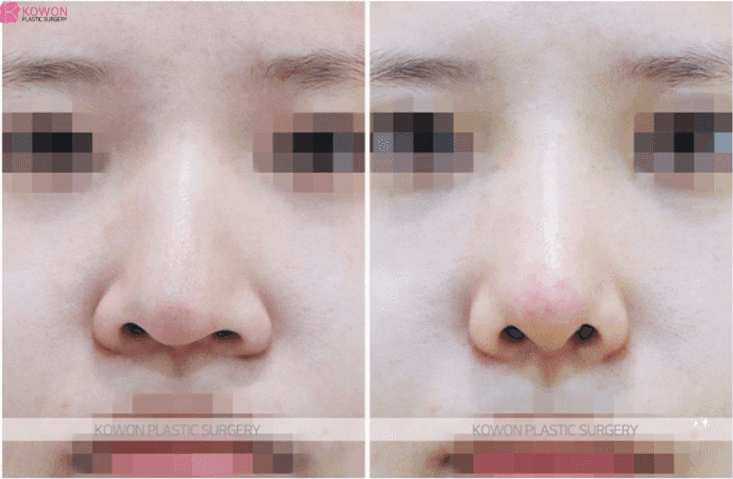
Reference case — hump removal combined with muscle correction
A case where the nose sat low and small giving a somewhat flat rather than dimensional feel, the midface looked sunken, and the lips appeared relatively protrusive. In this case, surgery proceeded focused on refining the nose's form around the aesthetic line rather than functional improvement.
The change in side view was especially distinct. As the hump part protruding at the nose's center was removed, the overall facial balance settled stably. This person's bridge itself was relatively high — the depressor muscle was removed and a correction pulling that muscle downward was performed alongside, with the tip slightly raised to organize the side line.
One point to note: when osteotomy proceeds during deviated-nose correction, septal cartilage quantity may run short. Preparing for such cases, guidance was given beforehand that ear cartilage could be harvested and used for insufficient parts. Actual changes can be seen in the before & after photos.
05
Summary — the degree of change you want comes before the method
If both clinics' suggestions sound persuasive, the question to ask isn't really 'which surgery is better' but 'how much of my nose do I want to change.' Once it's decided whether you want only the hump tidied or the whole line through bridge and tip trimmed, the fitting method follows. If judging is hard, ask directly about result differences by method, and gather more opinions if needed before deciding.
If curious which method fits your nose, you can confirm directly in a 1:1 video consultation.
Frequently asked questions
Answers to common questions patients ask before a consultation.
No. If the overall nose size and shape are fine and you naturally want only the hump gone, closed osteotomy entering through the nose may fit. If the bridge is wide and the whole nose feels large, trimming the structure together via open surgery may be more appropriate.
It's a difference in perspective rather than either being wrong. Since rhinoplasty methods differ by individual nose shape, asking directly how results differ with each method and choosing the side matching your desired degree of change is good.
When osteotomy proceeds in deviated-nose correction, septal cartilage quantity may run short. Preparing for such cases, it's good to be guided beforehand on whether ear cartilage can be harvested and used, then set the plan.
Responses to treatment and recovery progress vary by individual. Outcomes and side effects vary from person to person. Bleeding, infection, swelling and asymmetry may occur. Please consult our medical team before making a decision.
Consultation