
KOWON Blog
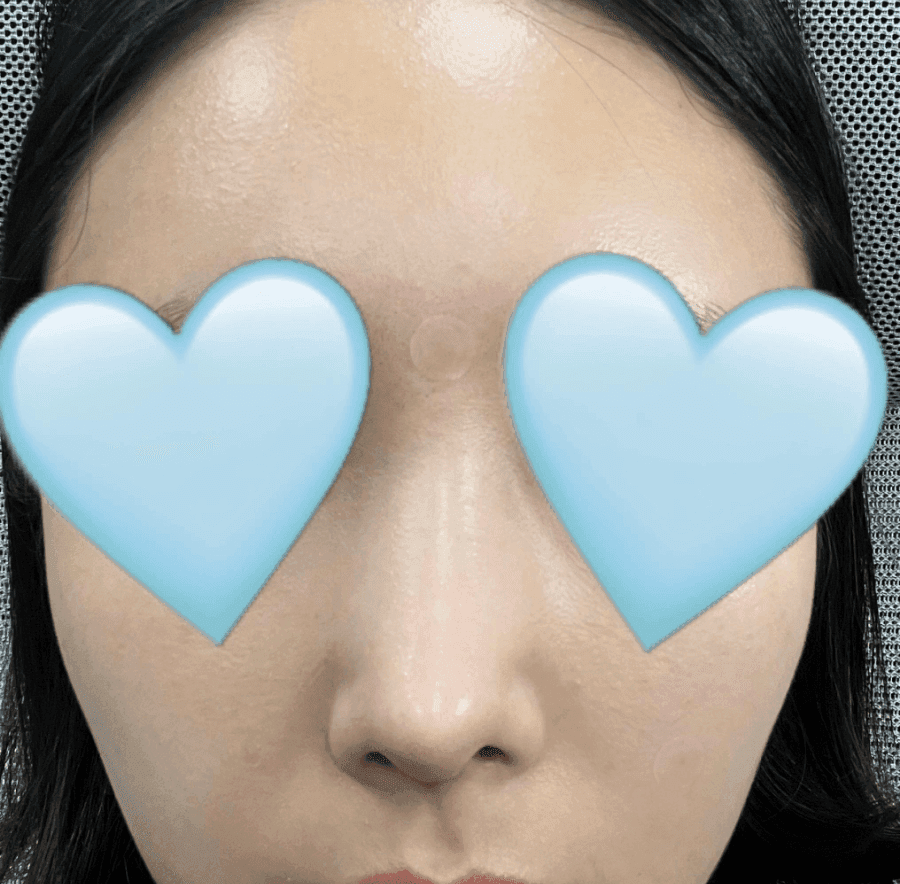
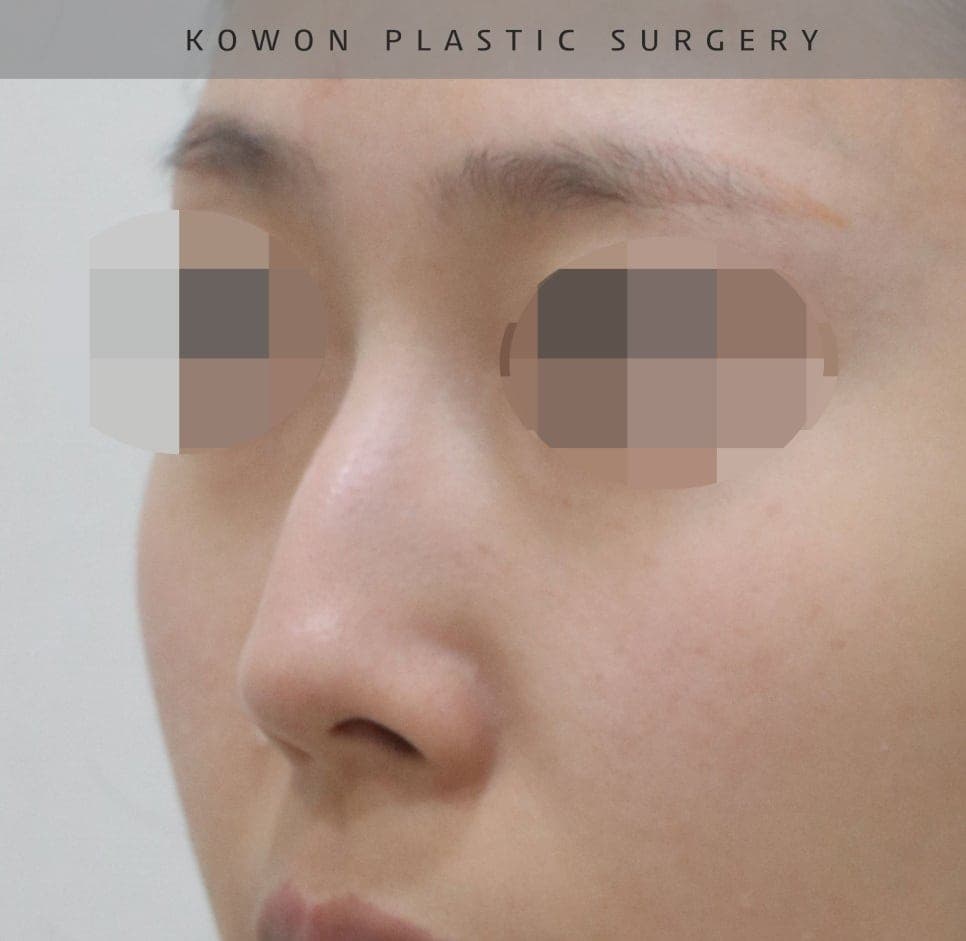
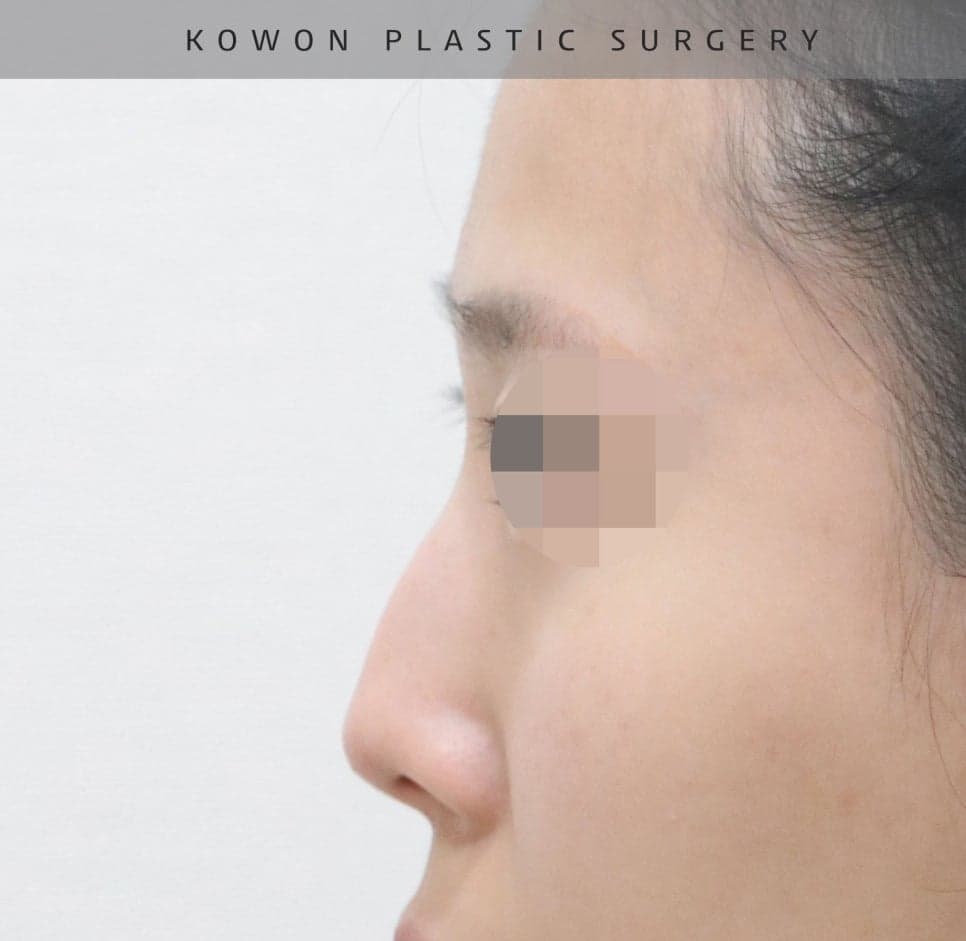
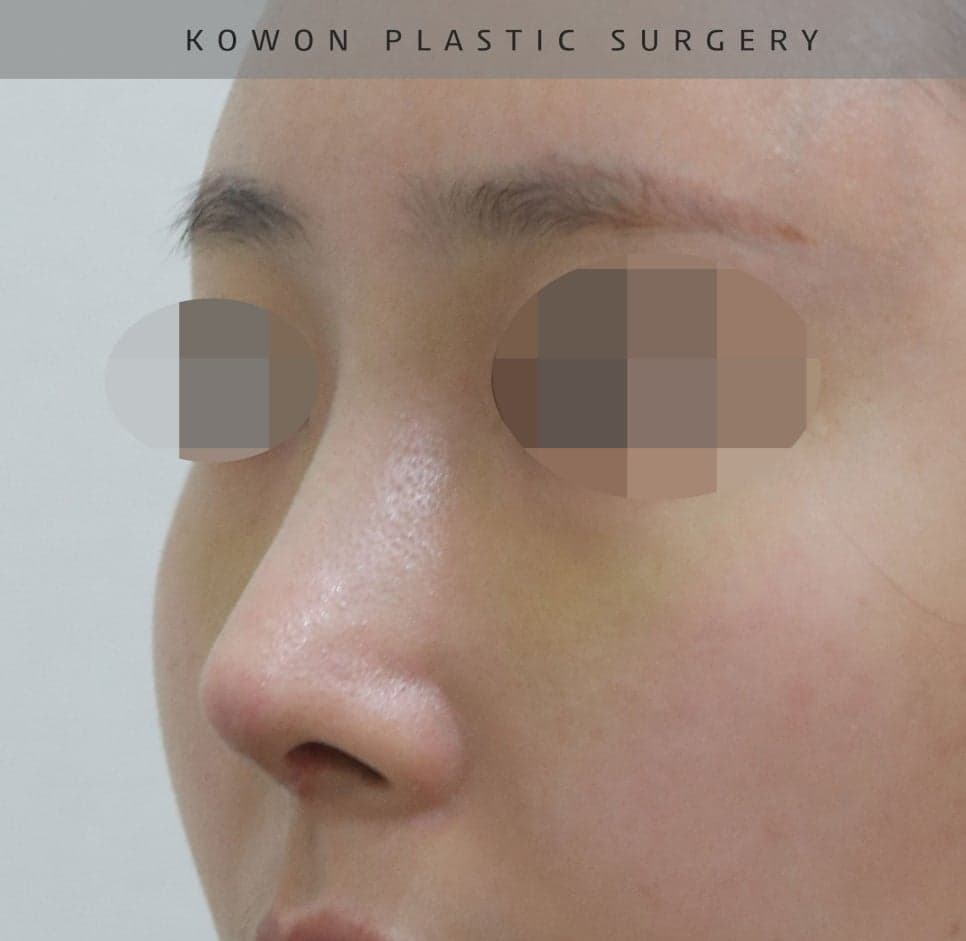
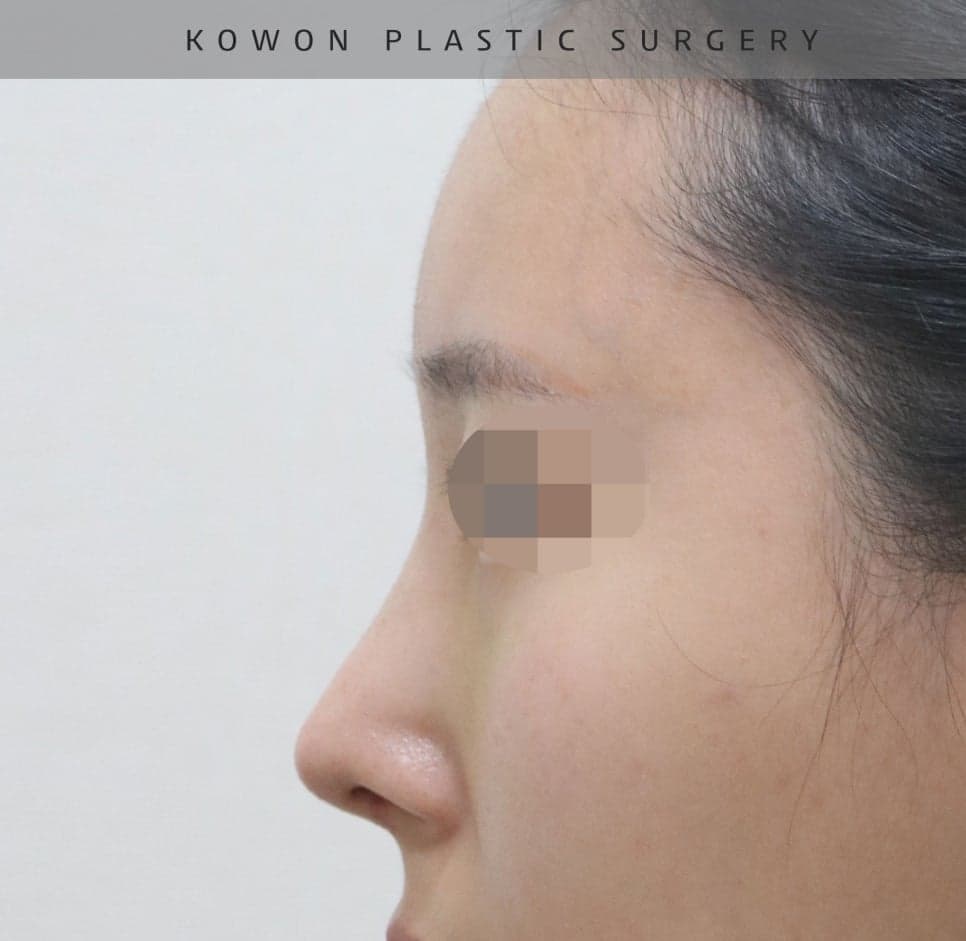
A Case Combining Hump Nose Correction with Rhinitis Surgery — Why We Planned It Implant-Free with Ear Cartilage
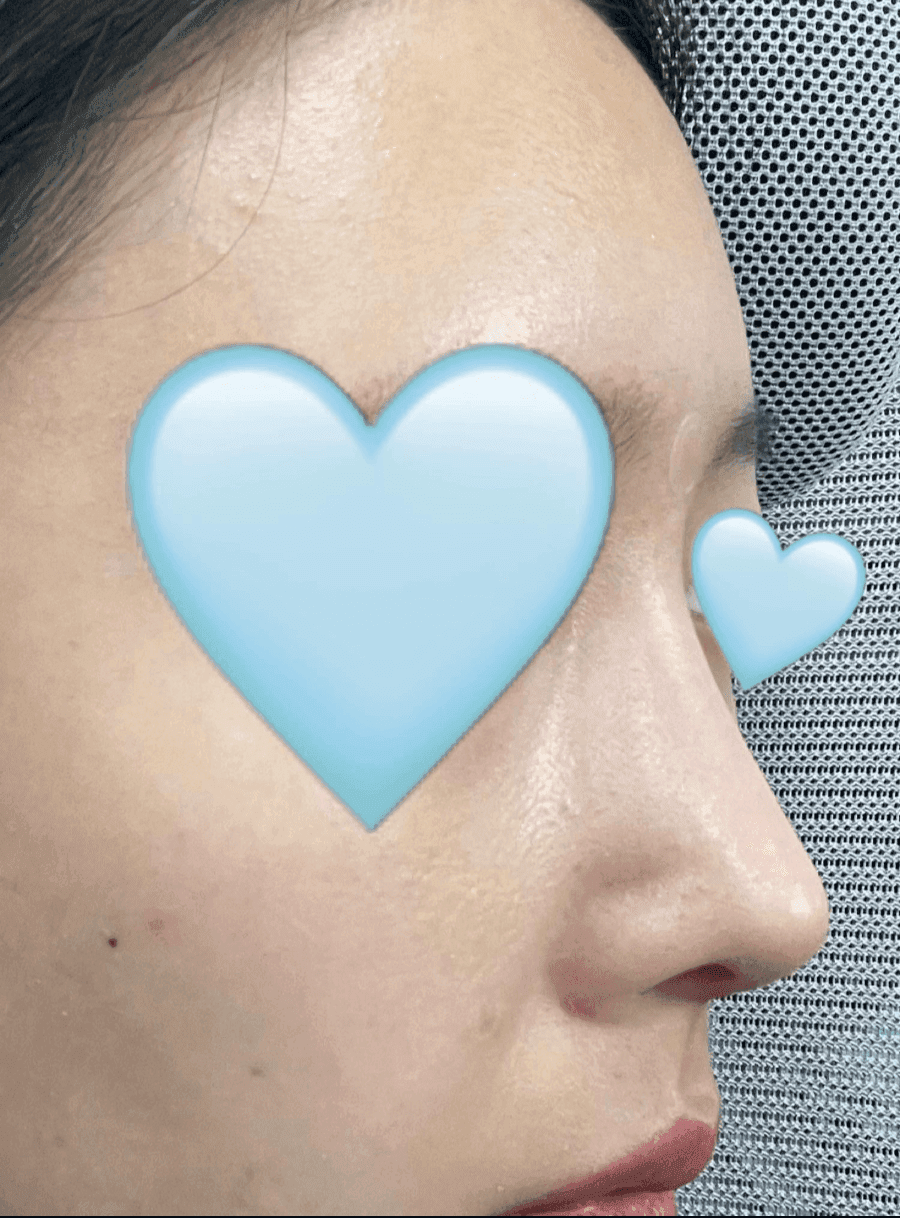
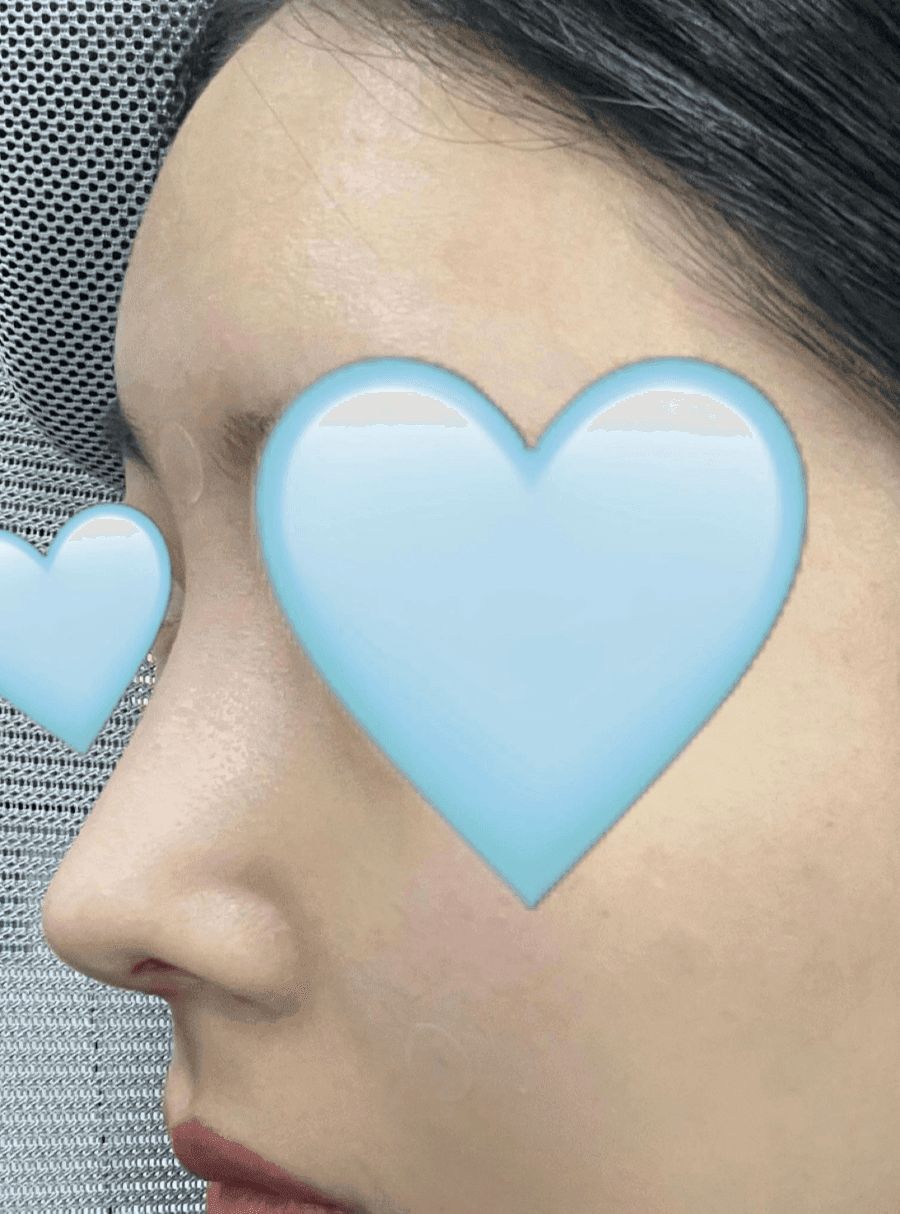
A case where CT taken while planning hump nose correction revealed a deviated septum and rhinitis — how the surgical plan was built: an implant-free approach preserving the bridge, tip reinforcement with ear cartilage, and forehead fat grafting.

Key points
- While planning hump nose correction, the CT scan revealed a deviated septum and rhinitis together, so the plan expanded to straighten the septum during surgery and improve that part with rhinitis surgery.
- Because the patient already felt the bridge was high, they wanted an implant-free approach — leaving the bridge untouched and raising only the tip with ear cartilage.
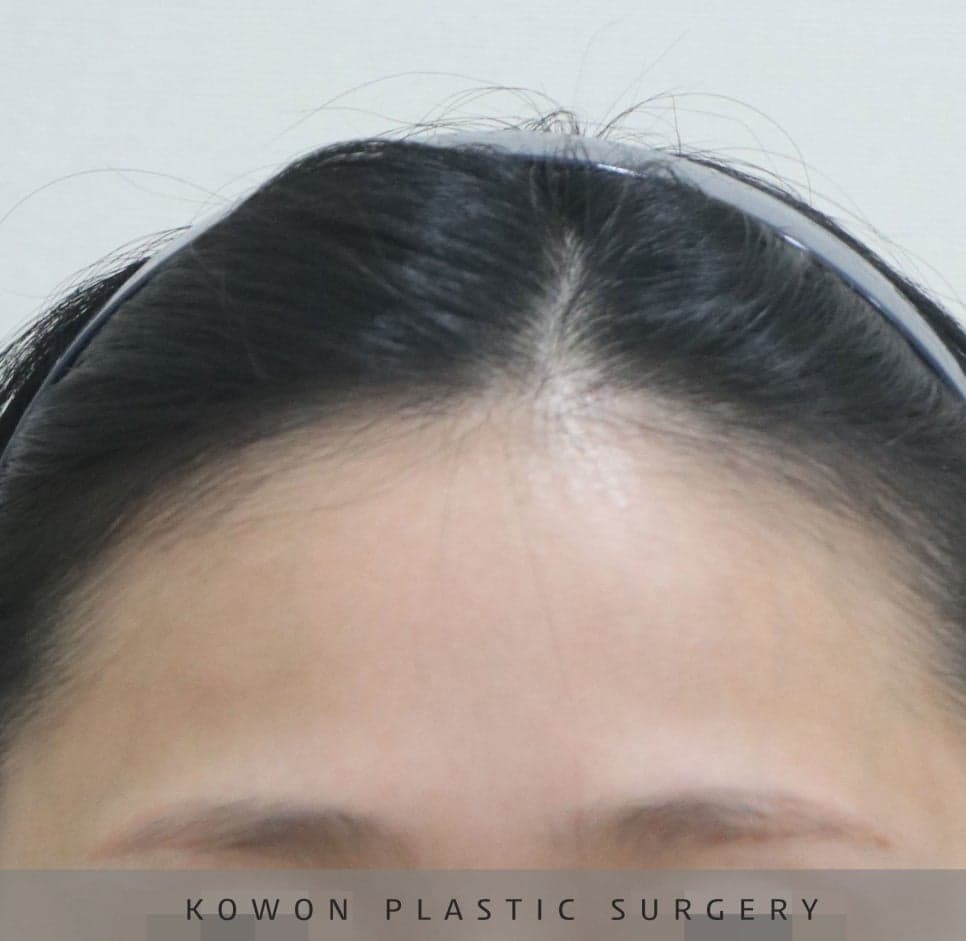
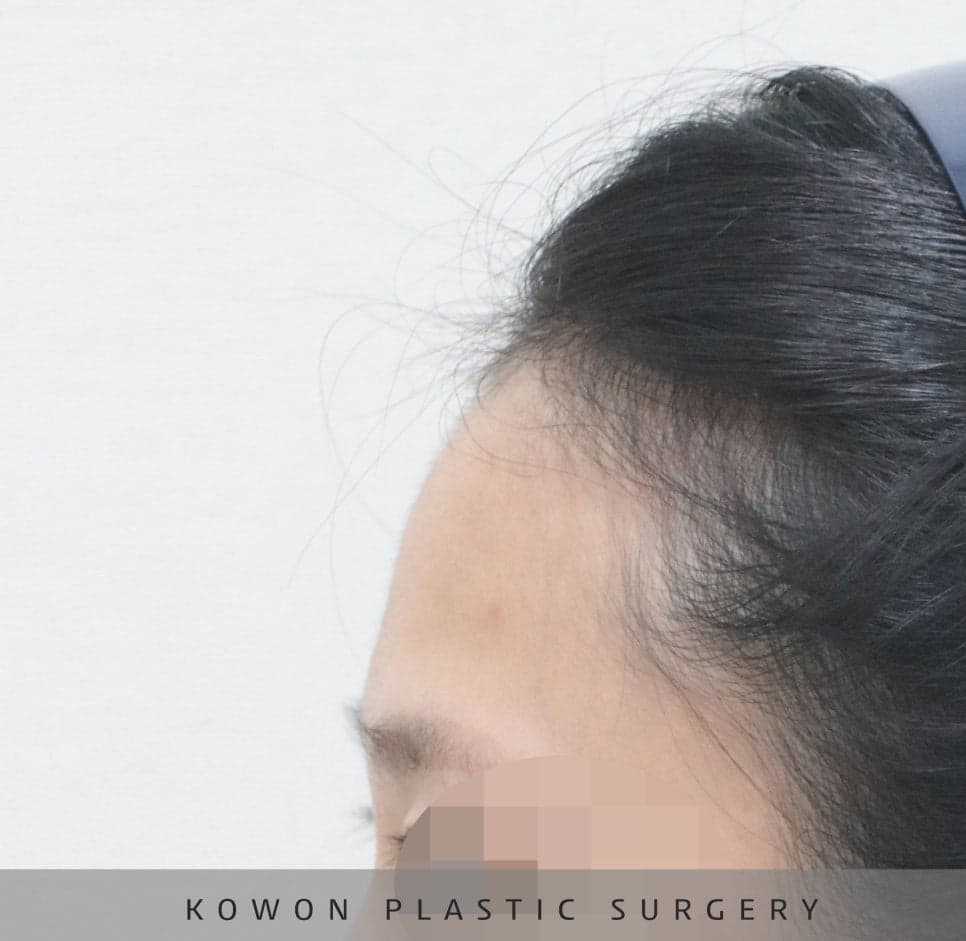
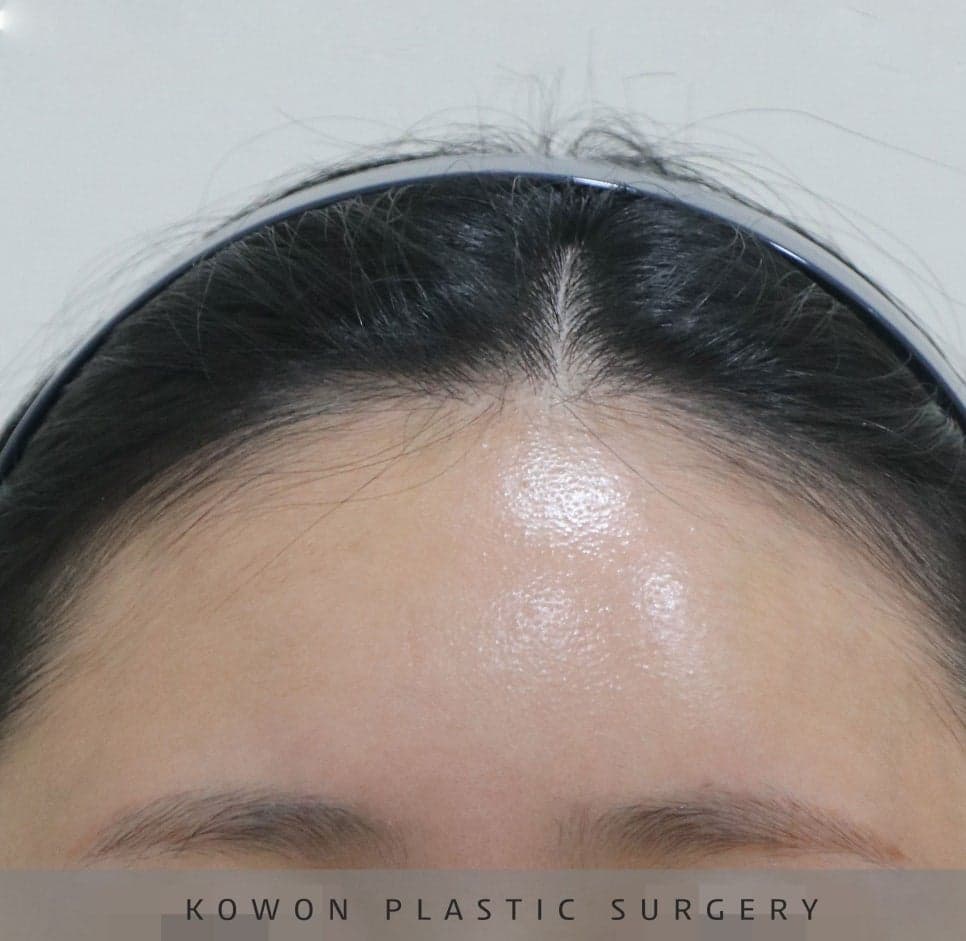
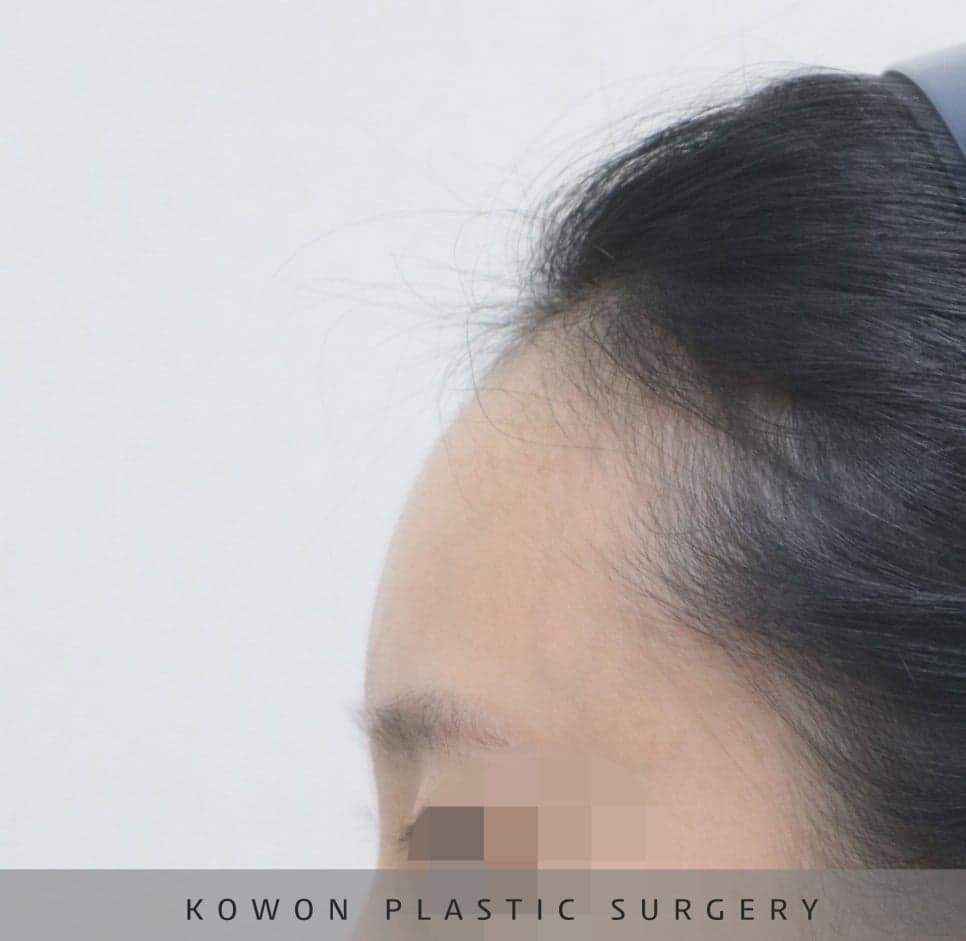
- The forehead looked flat relative to the bridge and the side profile was unbalanced, so forehead fat grafting was added to match the bridge and balance was restored.
Some people worry that a hump nose gives a masculine, gloomy impression. The case introduced here was like that — and it became a case where the surgical plan broadened once the examination revealed problems beyond the surface.
Following this case, we organized what to check in hump nose correction and in what order the plan is built.
01
Why is a CT checked before hump nose correction?
Because problems that cannot be seen from outside — internal structural and functional issues such as septal deviation and rhinitis — must be checked together to set the surgical scope. In this case too, the CT confirmed a deviated septum and rhinitis, so the plan included functional improvement alongside hump correction.
Accordingly, the surgical plan was set as follows.
- 01Septal deviation correction — the bent septum is straightened during surgery.
- 02Combined rhinitis surgery — the plan was set to improve the rhinitis-affected part as well.
- 03Bridge preservation + tip reinforcement with ear cartilage — without inserting an implant into the bridge, the bridge was preserved while the tip was raised using ear cartilage.
02
Why did we look at the forehead, not just the nose?
From the side, the bridge was high but the forehead was flat, so the profile balance was off.
To resolve this, fat grafting was added to supplement forehead volume matched to the bridge, completing the surgical plan. A nasal line is not completed by the nose alone — it is seen within the side-profile flow continuing from the forehead.
| Area checked | Plan |
|---|---|
| Dorsal hump | Trim and refine the hump |
| Nasal tip | Reinforce and raise with ear cartilage (autologous), no implant |
| Septum & rhinitis | Septal deviation correction + combined rhinitis surgery |
| Forehead | Volume supplemented with fat grafting to match the bridge |
03
Summary — planning starts by checking beyond the visible hump
Hump nose correction looks like a matter of trimming the dorsal hump, but as in this case, when CT findings reveal a deviated septum and rhinitis together, the plan changes to include functional improvement. Whether to preserve the bridge, proceed implant-free, or even consider forehead volume is decided by each person's nasal and facial condition.
If you want the inside of your nose checked as well, a 1:1 video consultation can provide a preliminary assessment.


Frequently asked questions
Answers to common questions patients ask before a consultation.
As in this case, when a CT confirms a deviated septum and rhinitis together, the plan can be set to straighten the septum during hump correction and combine rhinitis surgery. Feasibility is judged by the internal nasal condition confirmed through examination.
In this case, the bridge was already high, so the procedure preserved the bridge without an implant, trimmed the hump, and raised the tip with ear cartilage. Whether the implant-free approach is possible depends on bridge height and tip condition.
When the forehead is flat relative to a high bridge, the side profile can look unbalanced. In this case, forehead volume was supplemented with fat grafting matched to the bridge to balance the profile flow.
Responses to treatment and recovery progress vary by individual. Outcomes and side effects vary from person to person. Bleeding, infection, swelling and asymmetry may occur. Please consult our medical team before making a decision.
Consultation