
KOWON Blog
A nose too high and flashy — revision lowering it naturally with ear cartilage and septal correction
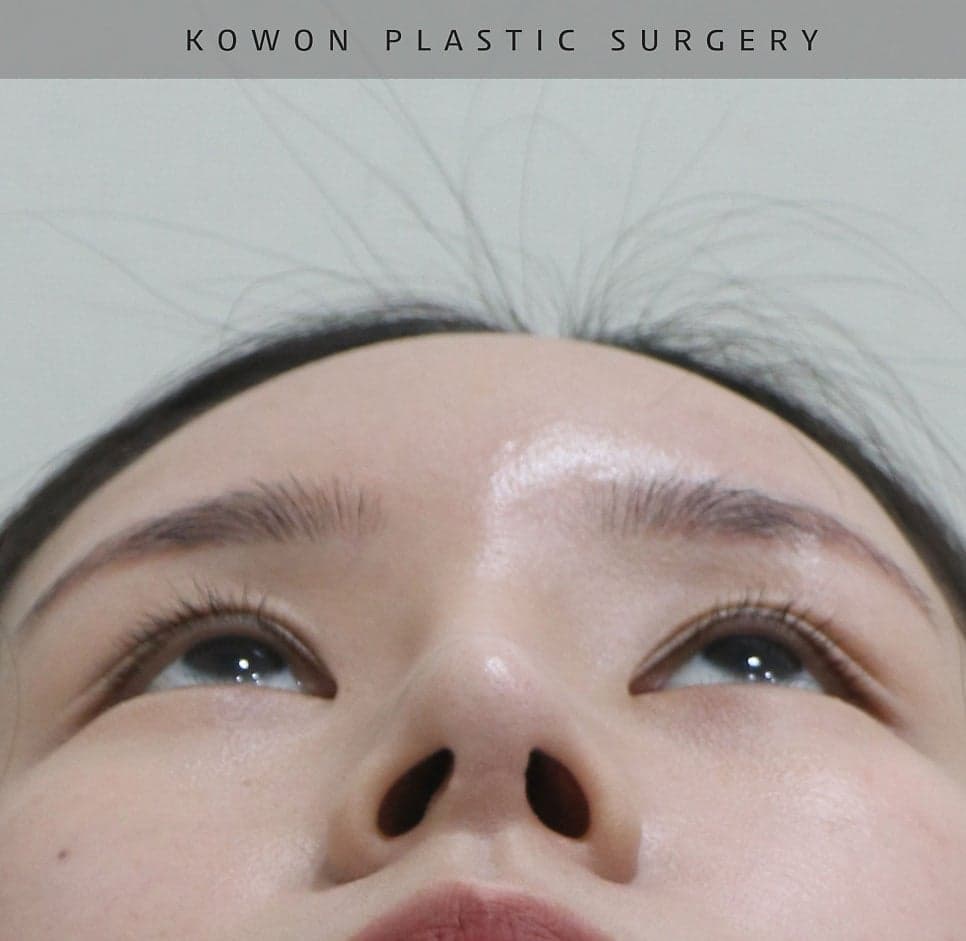
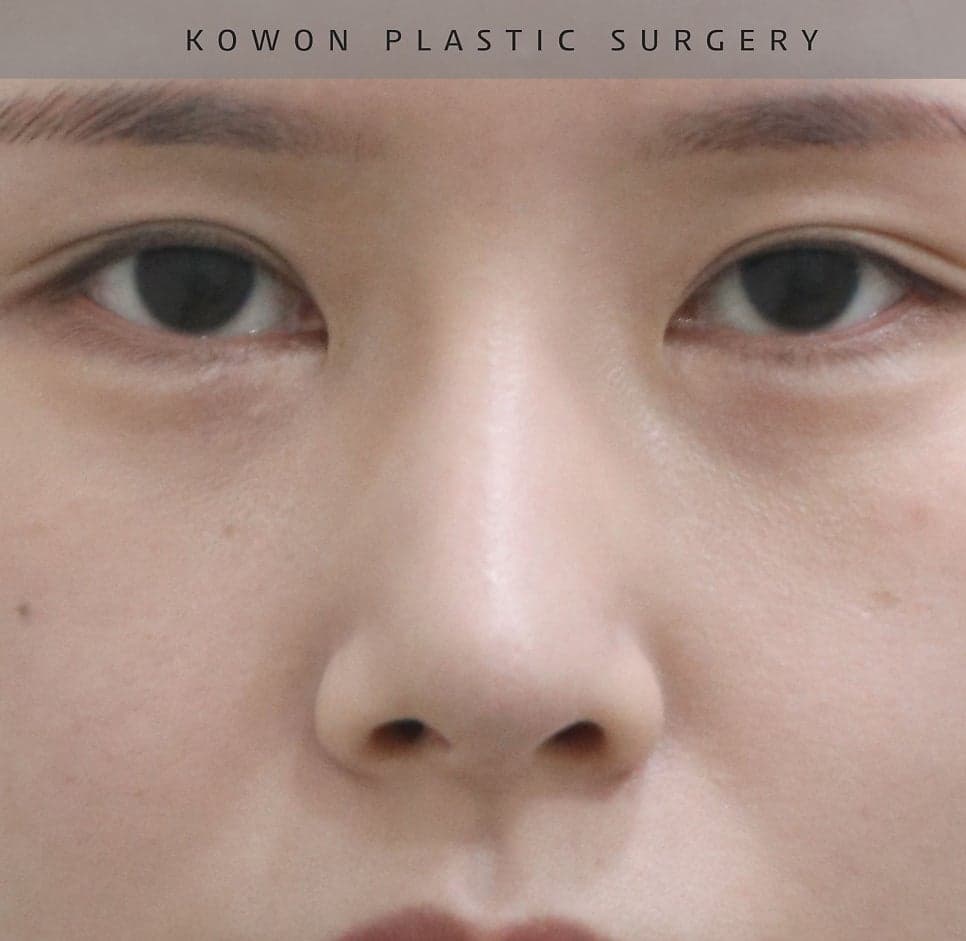
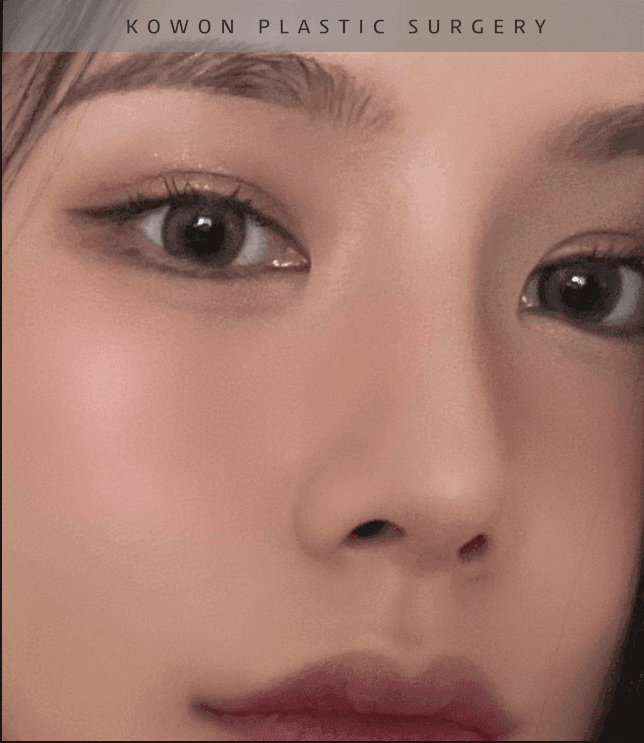
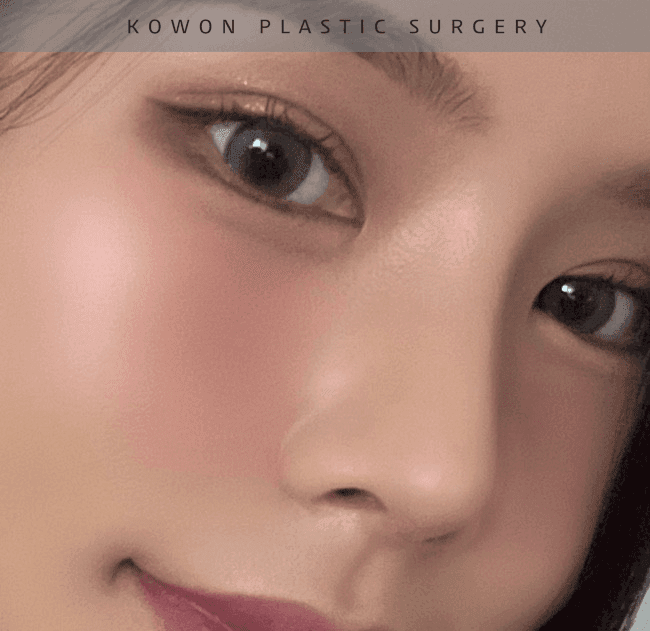
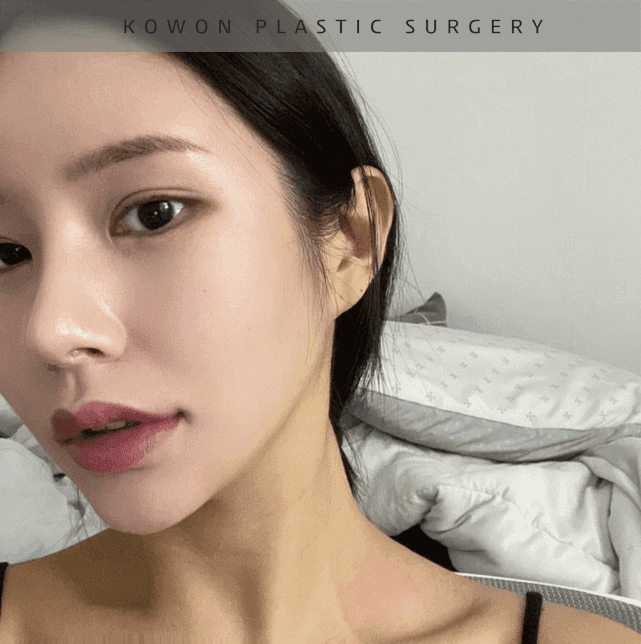
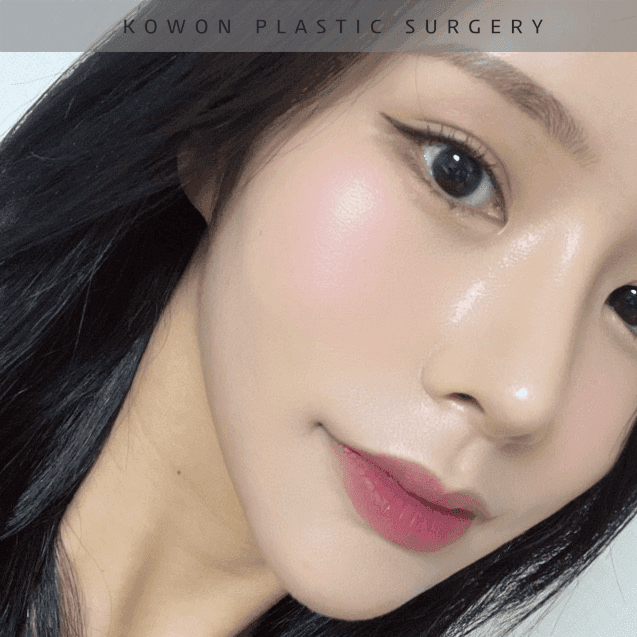
A revision case where the nose was too high, felt out of place, and tip cartilage showed through — a plan lowering below the existing 4mm silicone, ear cartilage tip supplementation, and tip depressor removal for a nose that looked spread when smiling.
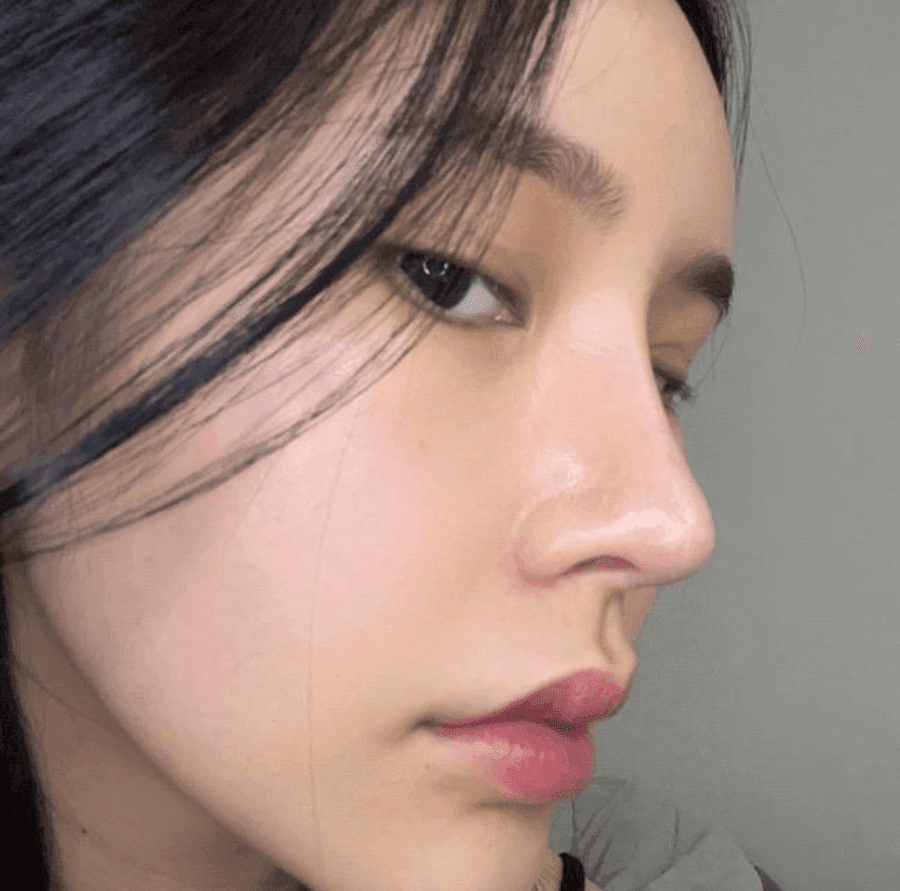
Key points
- Nose surgery isn't only about raising. There's also revision that lowers a nose that's too high and feels out of place, making it natural.
- In this case, a plan lowering the glabella and bridge starting point below the existing 4mm silicone was set, and the tip was supplemented with ear cartilage through open surgery.
- Since the patient was also bothered by the nose looking spread when smiling, tip depressor muscle removal was performed together.
"At a glance the nose line looks pretty, but in person it's too high and a bit awkward."
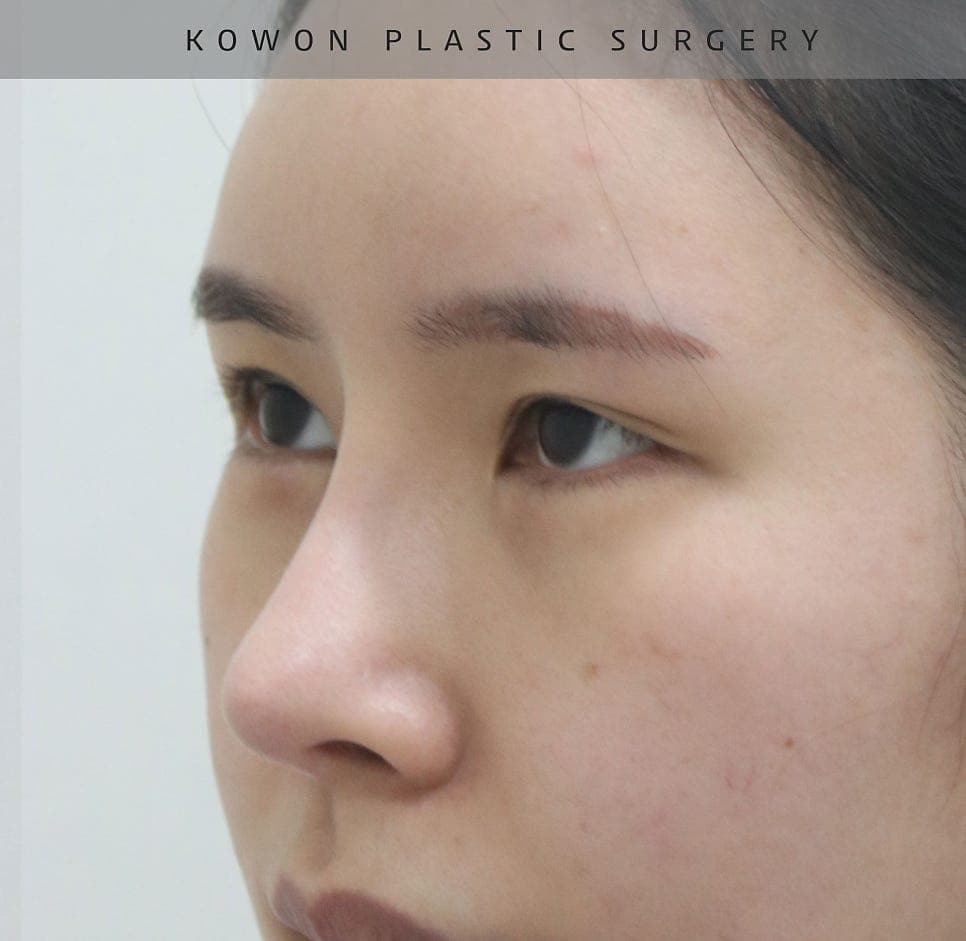
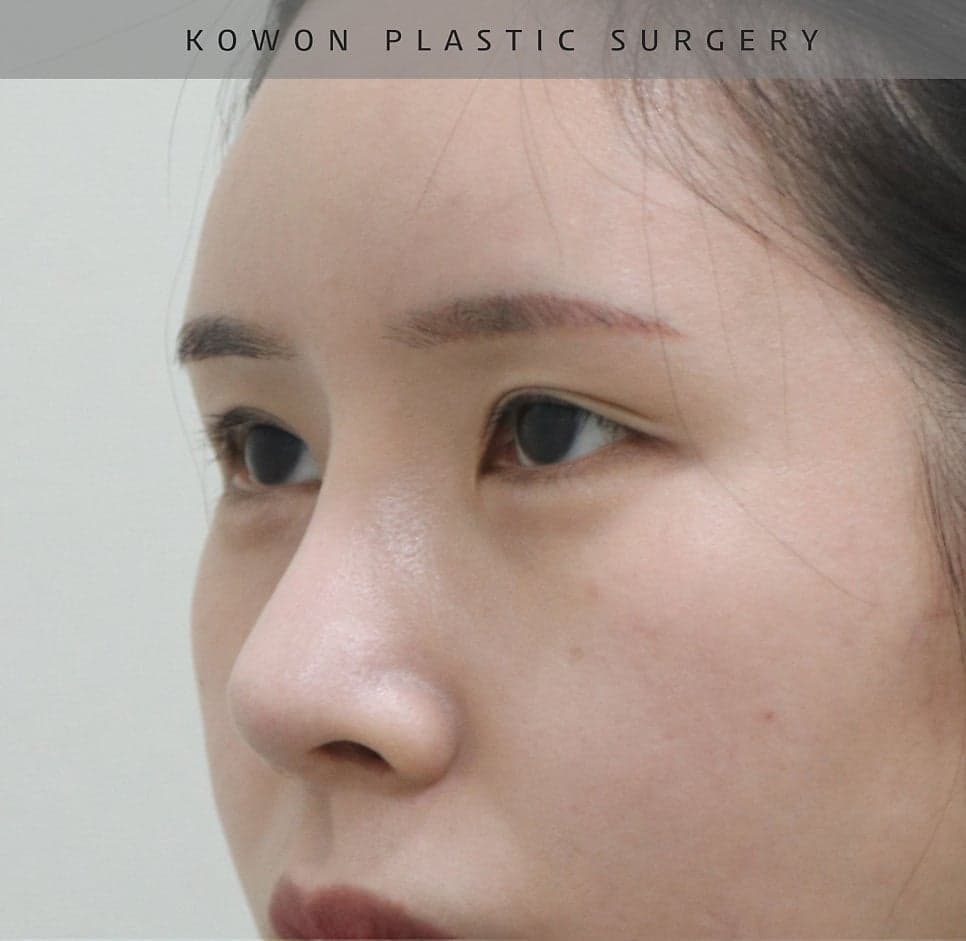
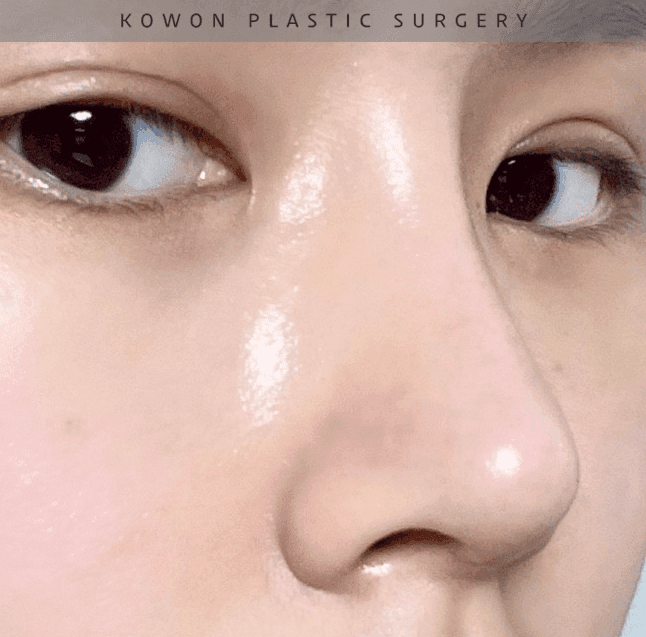
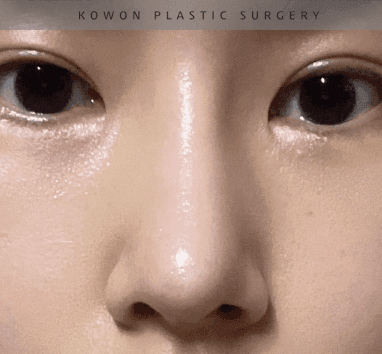
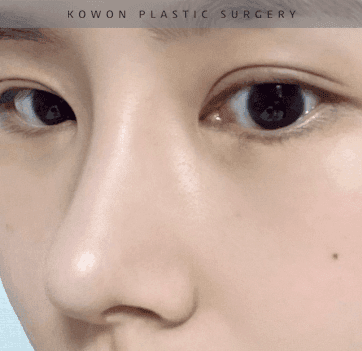
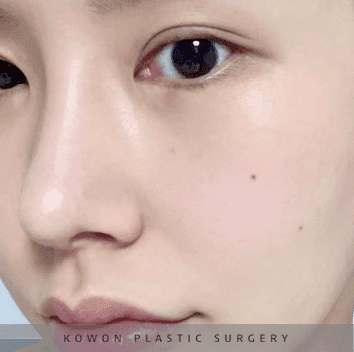
In revision consultations, I meet not just people wanting a low nose raised, but also those wanting an already-high nose lowered naturally. The person introduced in this article was such a case. She'd had nose surgery once roughly 2–3 years ago using the septum and ear cartilage — the nose was too high and felt out of place, the tip felt pointy, and the silicone showed through slightly, so she felt it was unnatural.
This article organizes — centering on this case — what gets planned and checked in a revision that lowers a high nose.
01
The nose is high — why does it look unnatural?
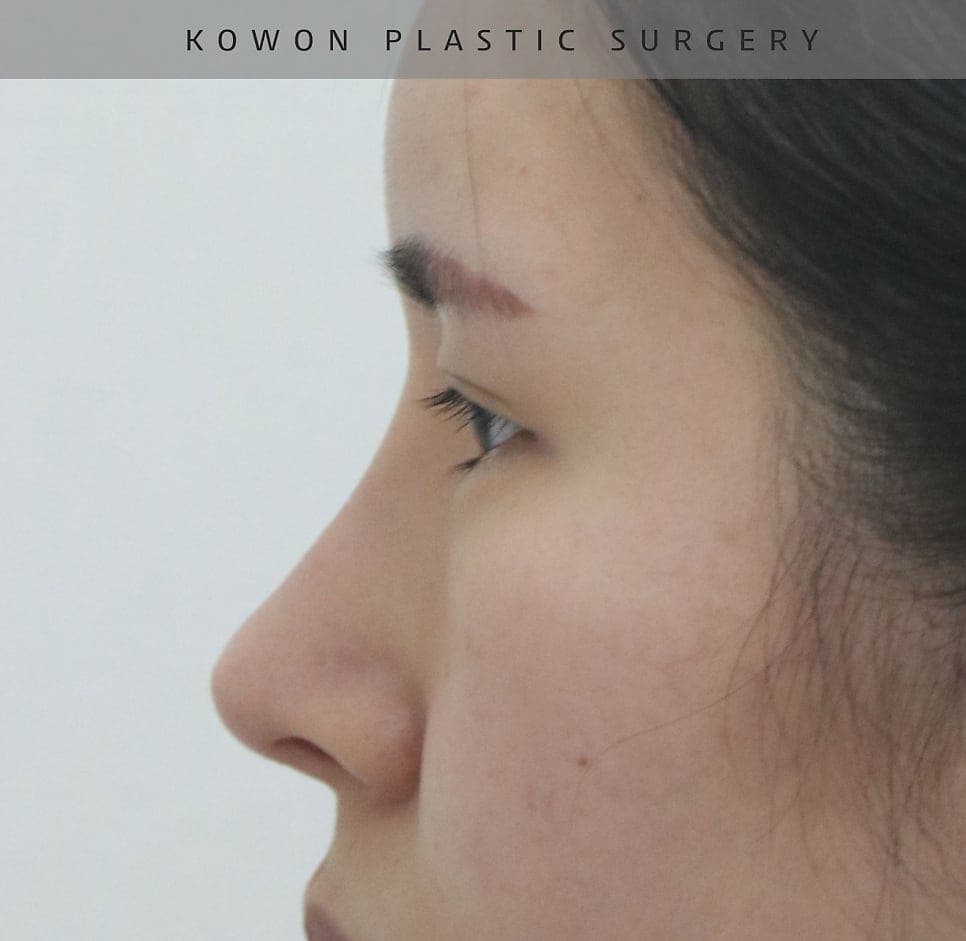
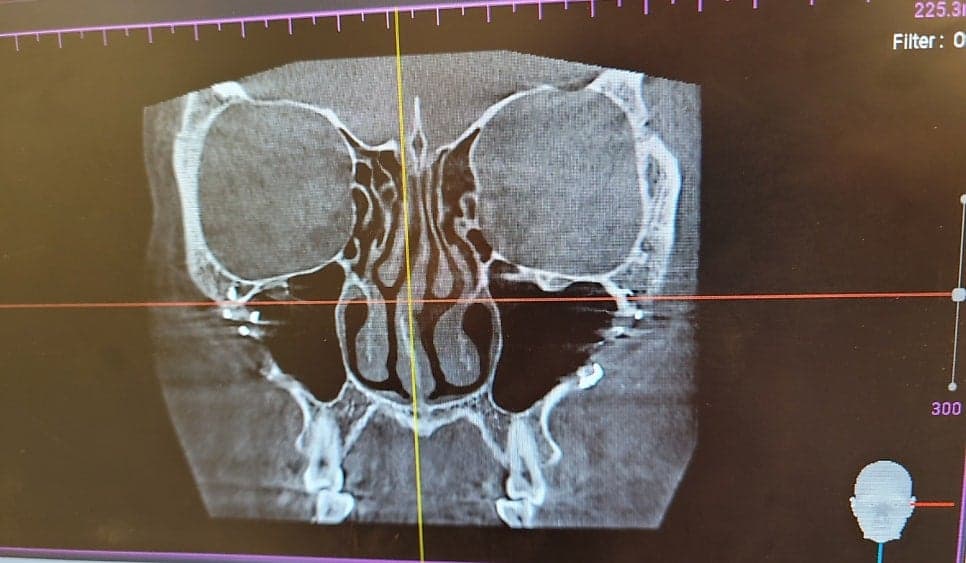
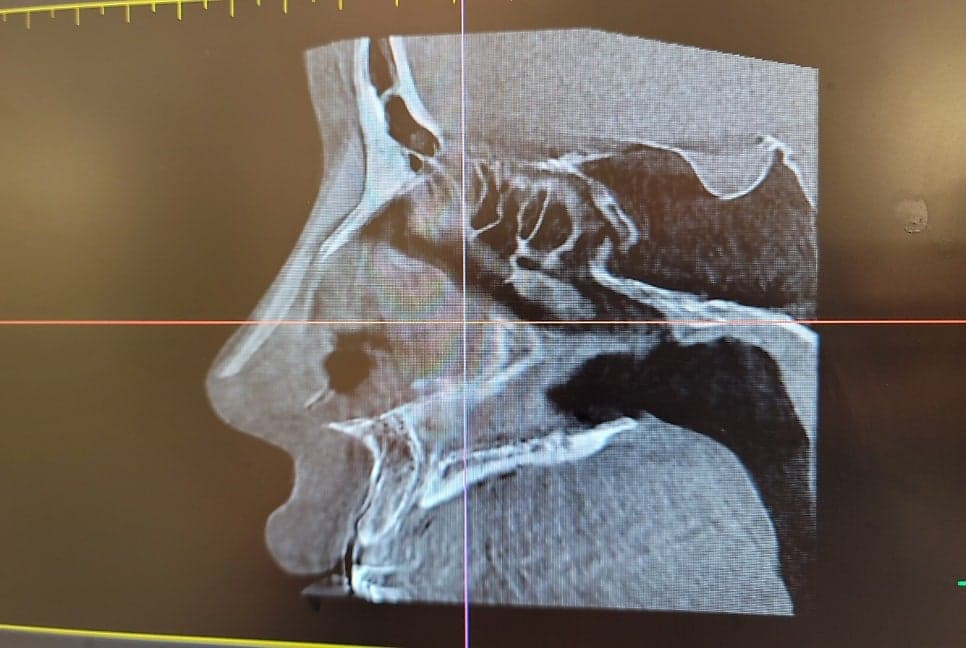
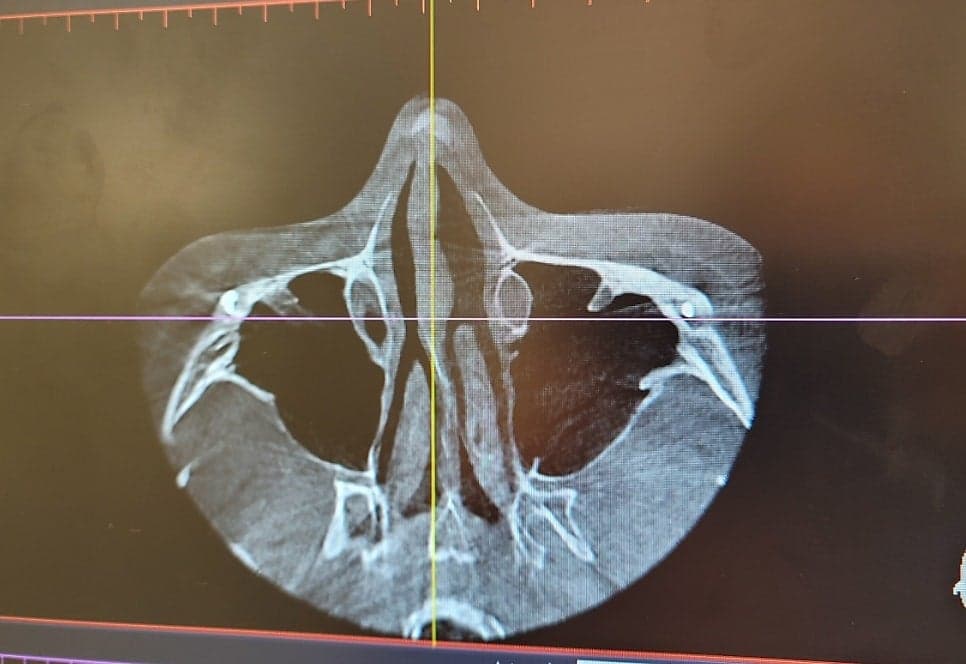
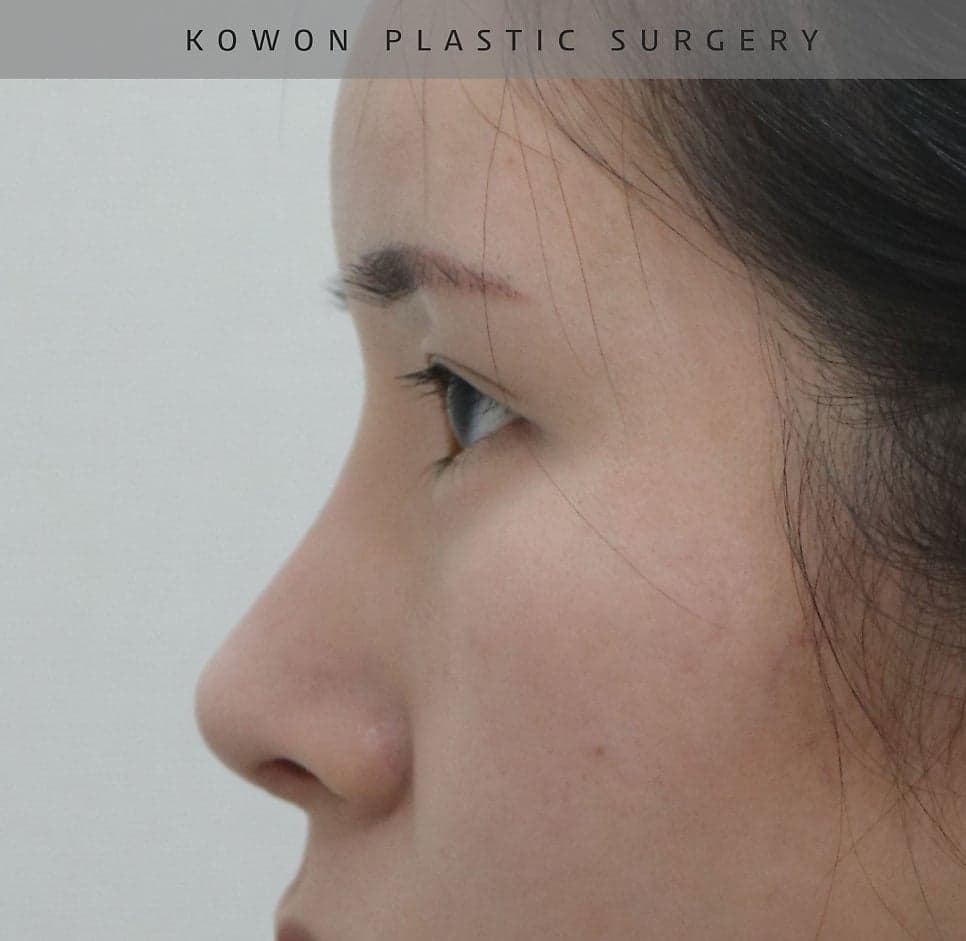
When the bridge starts excessively high from the glabella, the midface can look long and the connection between face and nose can feel foreign. This patient's pre-surgery nose also started high from the glabella — in her own words, "a very slim and flashy nose."
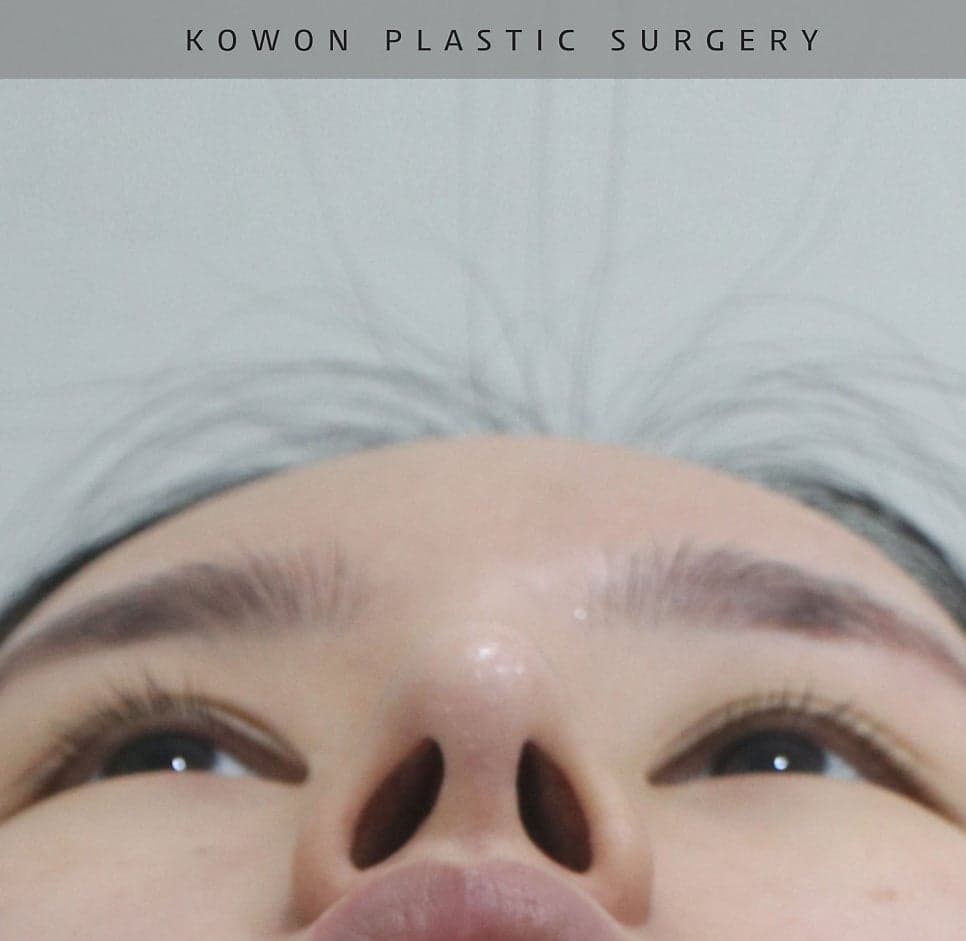
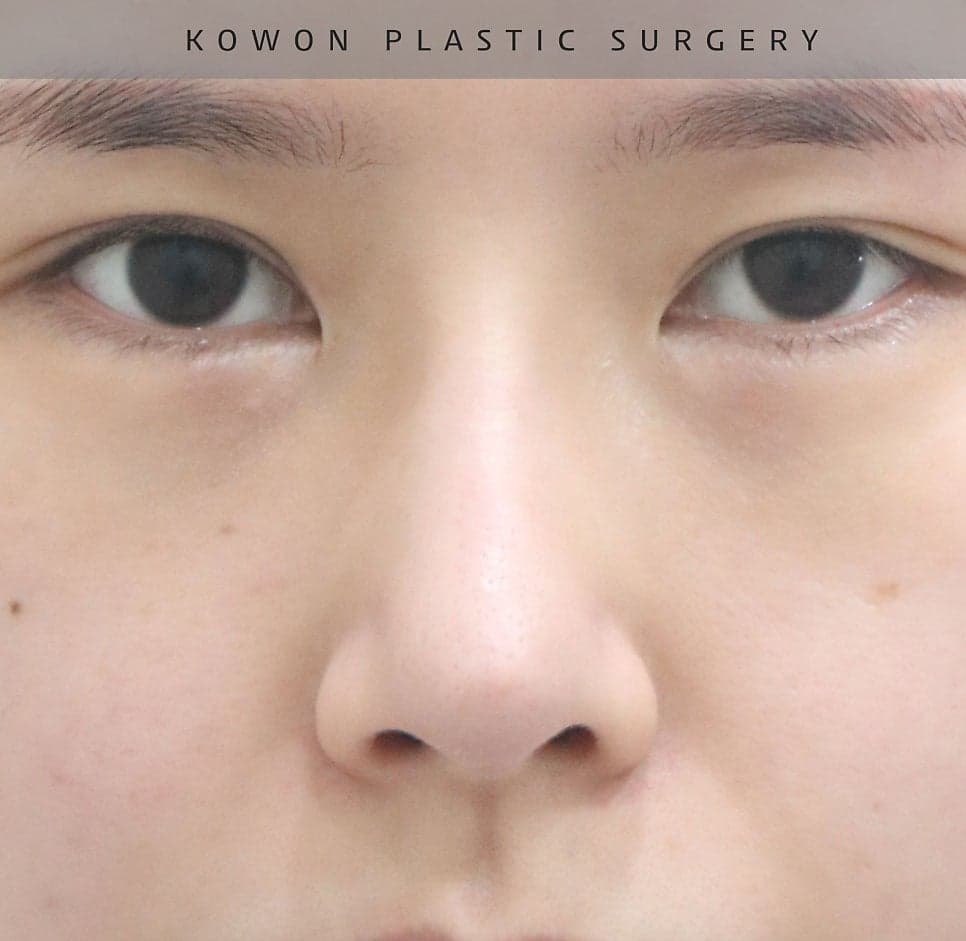
On top of that, two more problems existed. The tip felt pointy, and the silicone showed through slightly. It may look like a pretty line in photos, but in person something felt off. So the patient wanted the bridge height lowered a bit so it would look natural overall.
02
In the revision plan, what was lowered and what was supplemented?
The surgical plan was set by dividing "what to lower" and "what to support."
| Area checked | Pre-surgery state | Plan |
|---|---|---|
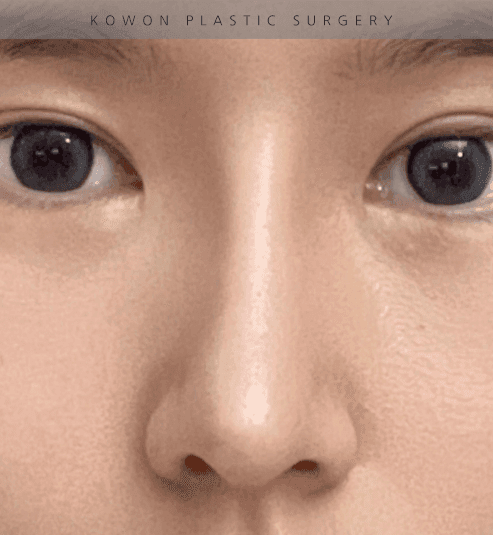
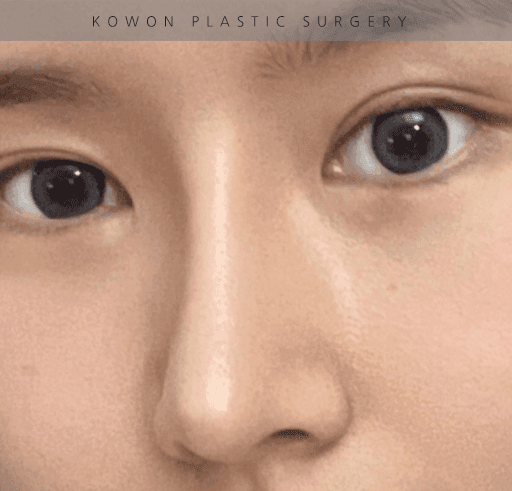
| Bridge·glabella | Existing 4mm silicone, starting high from the glabella | Lower both the glabella and starting point with a lower implant than before |
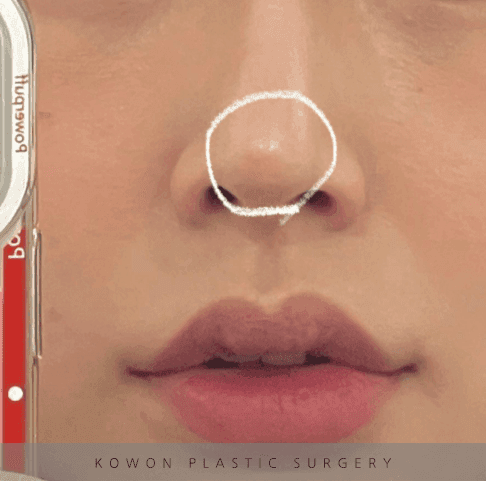
| Tip | Pointy feeling, cartilage/silicone showing through | Supplement using ear cartilage, into a rounded tip shape |
| Change with expression | Nose looks spread when smiling | Tip depressor muscle removal performed together |
The silicone previously used was 4mm — the plan was to go in with both the glabella and the bridge's starting point a bit lower than that. Surgery proceeded open-style, and the tip was supplemented using ear cartilage.
There was a request the patient especially emphasized before surgery — to make the tip not pointy but round and soft. In revision, this process of concretely confirming and reflecting the tip feel the patient wants matters. Items checked in revision can be seen in more detail in the revision guide.
03
Is the nose looking spread when smiling also handled surgically?
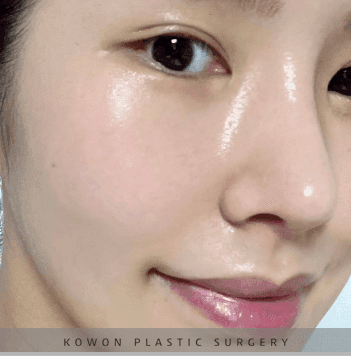
This patient was also bothered by the feeling that her nose looked spread whenever she smiled. So on top of bridge and tip correction, tip depressor muscle removal was performed together to finish the surgery.
If the surgical scope is set by looking only at the shape at rest, parts like this get easily missed. How the nose changes when making expressions has to be confirmed in consultation before judging whether to include muscle handling in the surgical scope.
04
Summary — in a lowering revision, "from where to lower" is the key
A revision that makes a high nose natural isn't simply a matter of swapping in a thinner implant. How far down to bring the glabella and bridge starting point, what to support the tip with, and whether to address changes during expression all have to be planned together. This case was one where all three were planned at once.
If you're curious about your nose's height and tip state, it can be checked in a 1:1 video consultation. Actual correction cases can be seen in the before & after photos.





Frequently asked questions
Answers to common questions patients ask before a consultation.
In this case, the plan was set toward lowering both the glabella and the bridge's starting point while swapping to an implant lower than the previously used 4mm silicone. Not just reducing height — the position where the bridge starts has to be adjusted too for the overall impression to become natural.
Show-through doesn't automatically make everyone a revision candidate, but when a pointy tip and show-through together cause stress like this case, revision can be considered. In this case, the tip was supplemented with ear cartilage while proceeding open-style.
In this case, the nose looking spread when smiling was a combined concern, so tip depressor muscle removal was performed together. How much the nose shape changes with expression differs per person — whether to include it in the surgical scope is judged after confirming directly in consultation.
Responses to treatment and recovery progress vary by individual. Outcomes and side effects vary from person to person. Bleeding, infection, swelling and asymmetry may occur. Please consult our medical team before making a decision.
Consultation