
nostril are clearly visible whenever I smile, so I want to lower nasal tip ,
Won't I be able to hear it again after the surgery?
Those looking into upturned nose surgery are curious about how much nasal tip can be lowered and whether the shape is maintained for a long time.
It is difficult to judge based solely on photos, as the answer varies depending on the strength of nasal tip cartilage and the elasticity of the skin.
Today, I will explain what factors are considered when deciding to lower nasal tip in short nose and upturned nose .
What do upturned nose and short nose refer to?
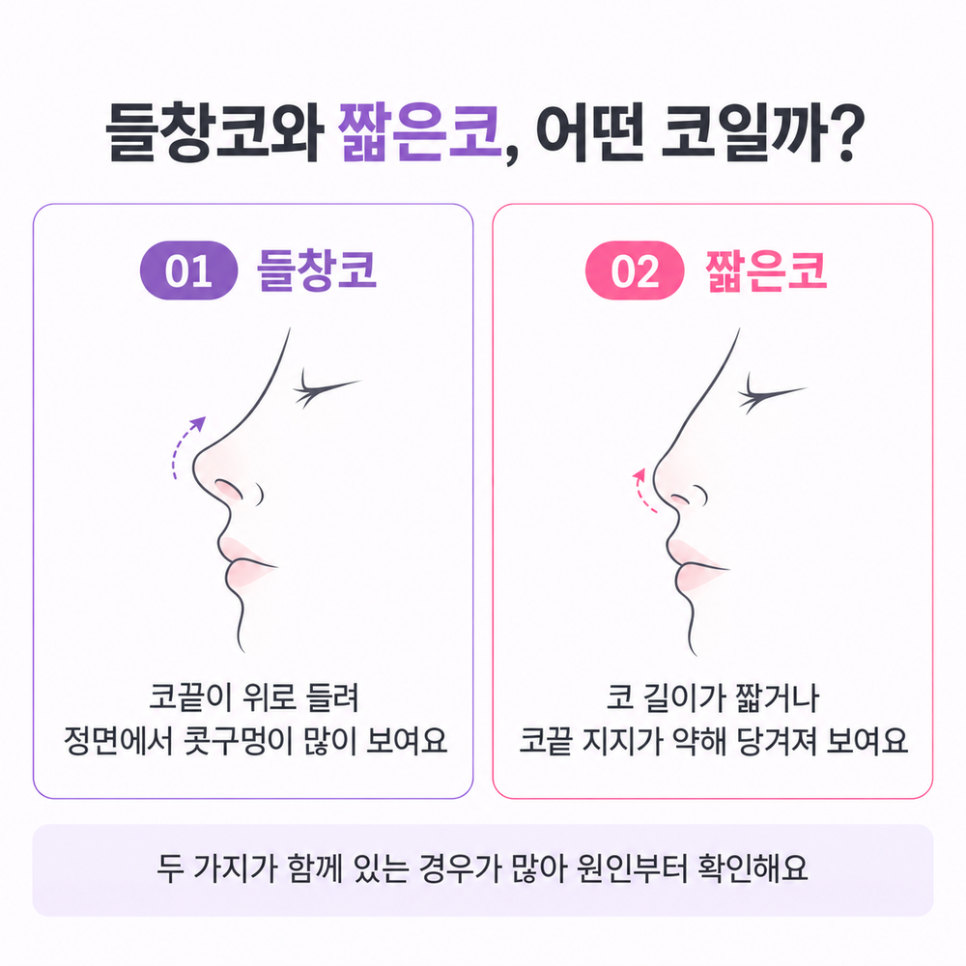
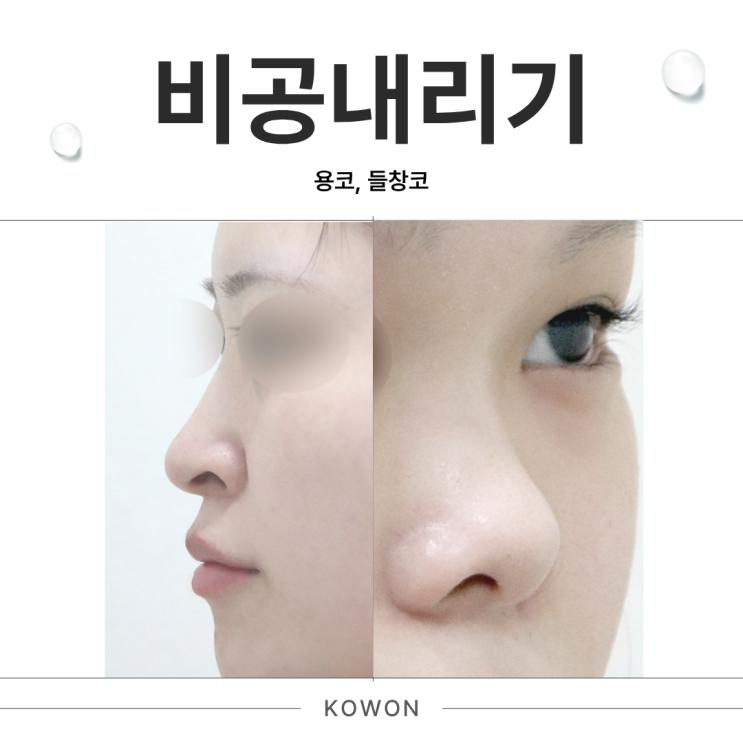
upturned nose Is It refers to a nose where nasal tip is lifted upward, making nostril very visible even from the front.
short nose Is A nose where nasal tip appears pulled upward due to a short length of the nose itself or weak support for nasal tip . no see.
Since the two often appear together, if the nose is short, nasal tip appears upturned and nostril are more likely to be exposed.
In some cases, nasal tip cartilage is naturally small or weak, but the nose can also become shorter after previous nose surgery due to contracture or tissue reduction caused by inflammation .
Therefore, upturned nose surgery is planned by first identifying the cause of the nose shortening, as well as the degree to which nasal tip is upturned.
How is nasal tip lowered in upturned nose surgery?
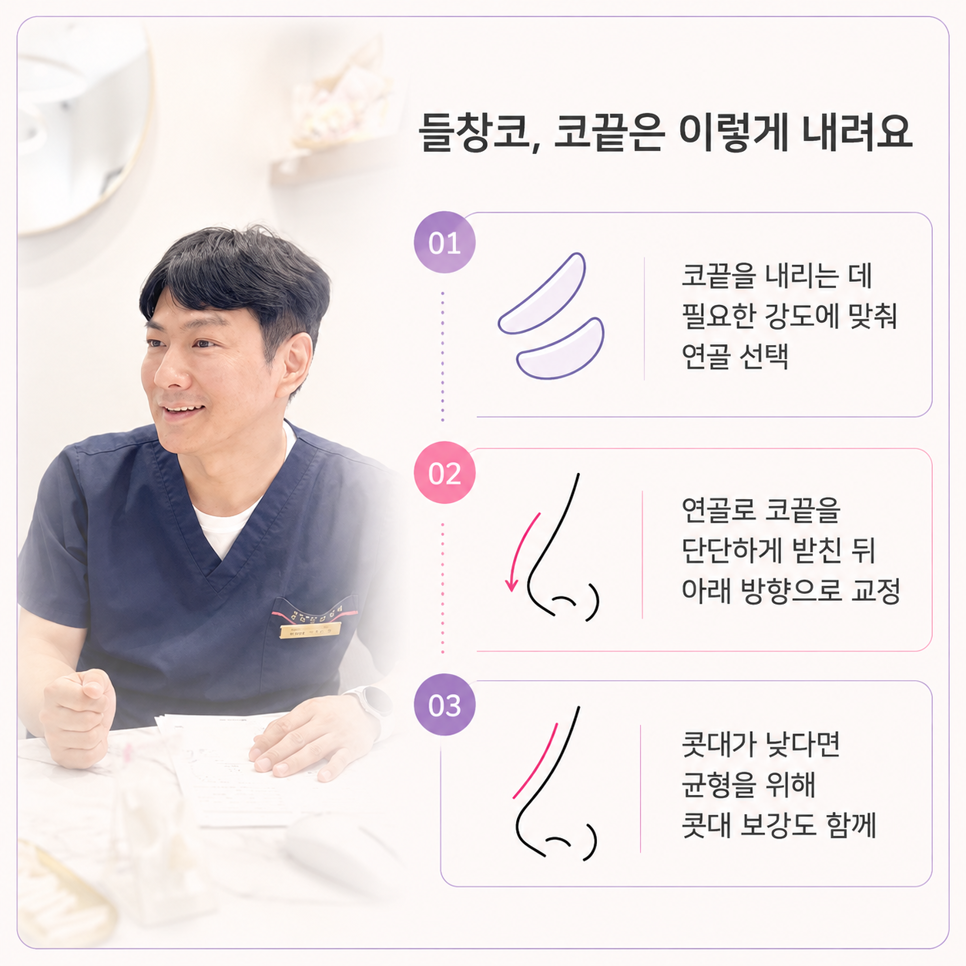
upturned nose surgery silver This is a surgery that firmly supports nasal tip with cartilage and then lowers the upwardly lifted nasal tip to make nostril less visible.
It is not about making the nose unconditionally longer, but rather adjusting the direction of the upturned nasal tip to create a nose shape that suits the face.
What is important here is not only how much you lower nasal tip , but also stably supporting the lowered nasal tip .
If the supporting force for nasal tip is insufficient, it may lift again over time, so it is important to select the appropriate cartilage from the beginning.
Select the cartilage according to the strength required to lower nasal tip .
Firmly support nasal tip with cartilage and correct it downwards.
If nasal bridge is low, nasal bridge reinforcement is also performed to consider the overall balance.
How is the cartilage used for nasal tip determined?
The cartilage used for nasal tip varies depending on how firmly it needs to be supported.
First, we check if septal cartilage or ear cartilage is sufficient.
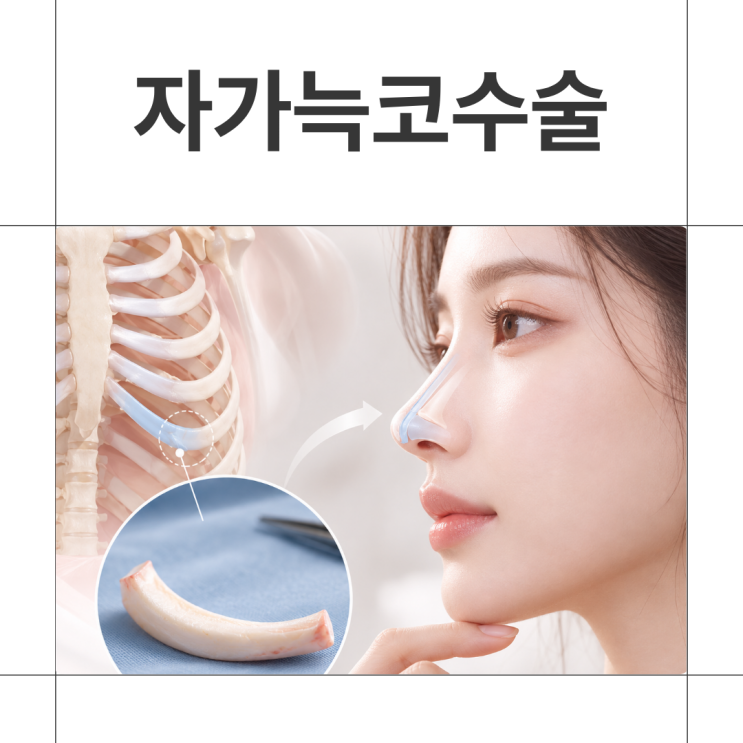
If you need to lower nasal tip significantly or require stronger support autologous rib cartilage Consider donor rib cartilage .
In particular, autologous rib cartilage is a useful material for lowering a short, upturned nasal tip because it can secure sufficient length and strength.
On the other hand, since ear cartilage is relatively soft, it can be used to shape nasal tip or to supplement any deficiencies.
However, this does not mean that costal cartilage must be used for upturned nose surgery.
The important thing is not which cartilage is better, but determining whether the cartilage can adequately support my nasal tip in the desired position.
Do you not hear it again after lowering nasal tip ?
One of the main concerns for those looking into upturned nose surgery is whether nasal tip will lift again.
In fact, even if nasal tip appears to have descended sufficiently immediately after surgery, it may appear lifted again if the tissue contracts during the recovery process or if the structure supporting nasal tip is weak.
Especially for short nose simply adding cartilage may not be sufficient because the skin and surrounding tissues exert a force pulling nasal tip upward.
so After lowering nasal tip it is important to determine where and how to fix the cartilage.
Even if you like the look immediately after surgery, you will inevitably feel disappointed if it recedes over time.
From the beginning, you must consider how much nasal tip can be lowered, as well as how to stably maintain the corrected position.
short nose is nasal tip
How far can it go?
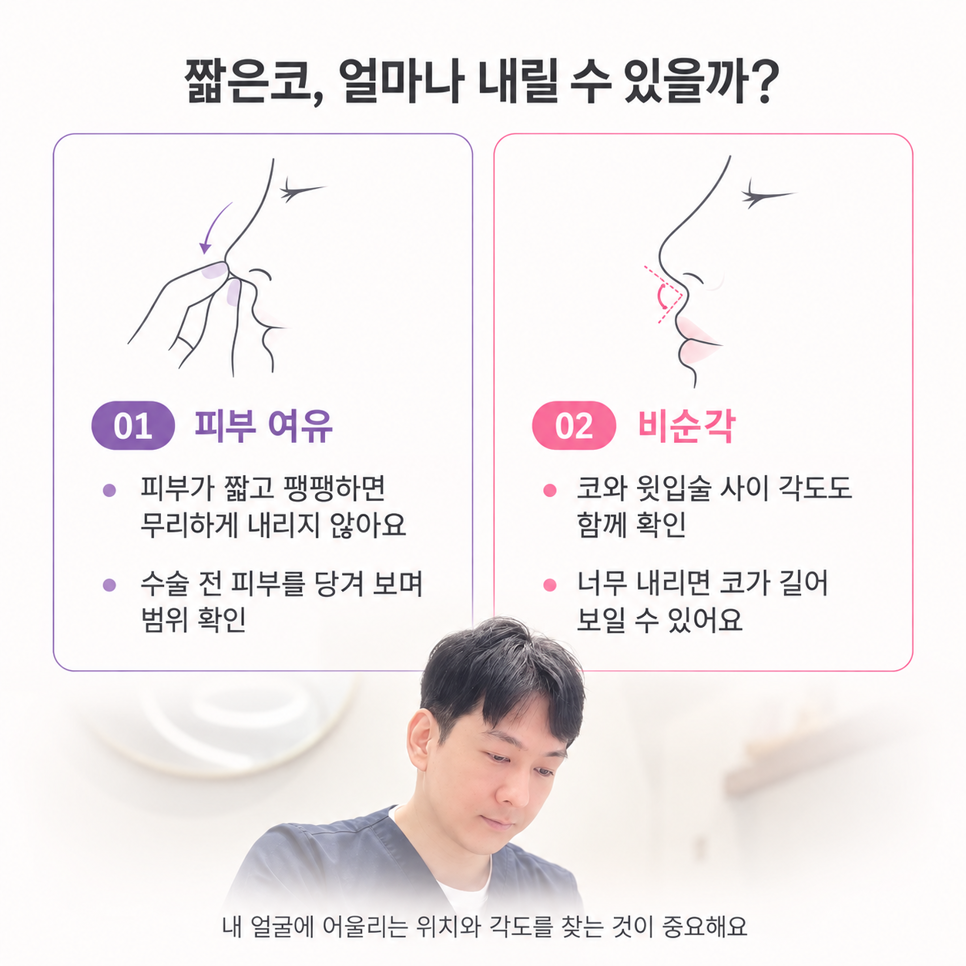
Just because you have short nose doesn't mean everyone can lower nasal tip as much as they want.
How much nasal tip can be lowered depends on how much leeway there is in the skin and surrounding tissues.
For those with short and taut skin, forcibly lowering it can put strain on nasal tip , so we examine the skin directly before surgery to determine the extent of correction.
Also, when lowering nasal tip the angle between the nose and the upper lip nasolabial angle You also need to check that.
Lowering nasal tip significantly does not necessarily guarantee good results.
If you lower it too much, it might actually make your nose look longer or not suit your face.
Even with the same upturned nose , the skin elasticity and nasal tip condition vary, so it is important to find the position and angle that suits your face.
Recovery after upturned nose surgery
How does it proceed?
The recovery process varies slightly depending on the cartilage used and the scope of the surgery.
period
recovery process
Day 3
Showering is possible if costal cartilage was used.
Day 5
Suture removal (Day 7 when using costal cartilage)
recovery period
Avoid touching nasal tip or blowing your nose; avoid using an earphone in the ear where ear cartilage was collected.
It is recommended to reduce actions that apply force to the nasal tip nasal tip until it settles into place.
When looking into upturned nose surgery
What should I check?
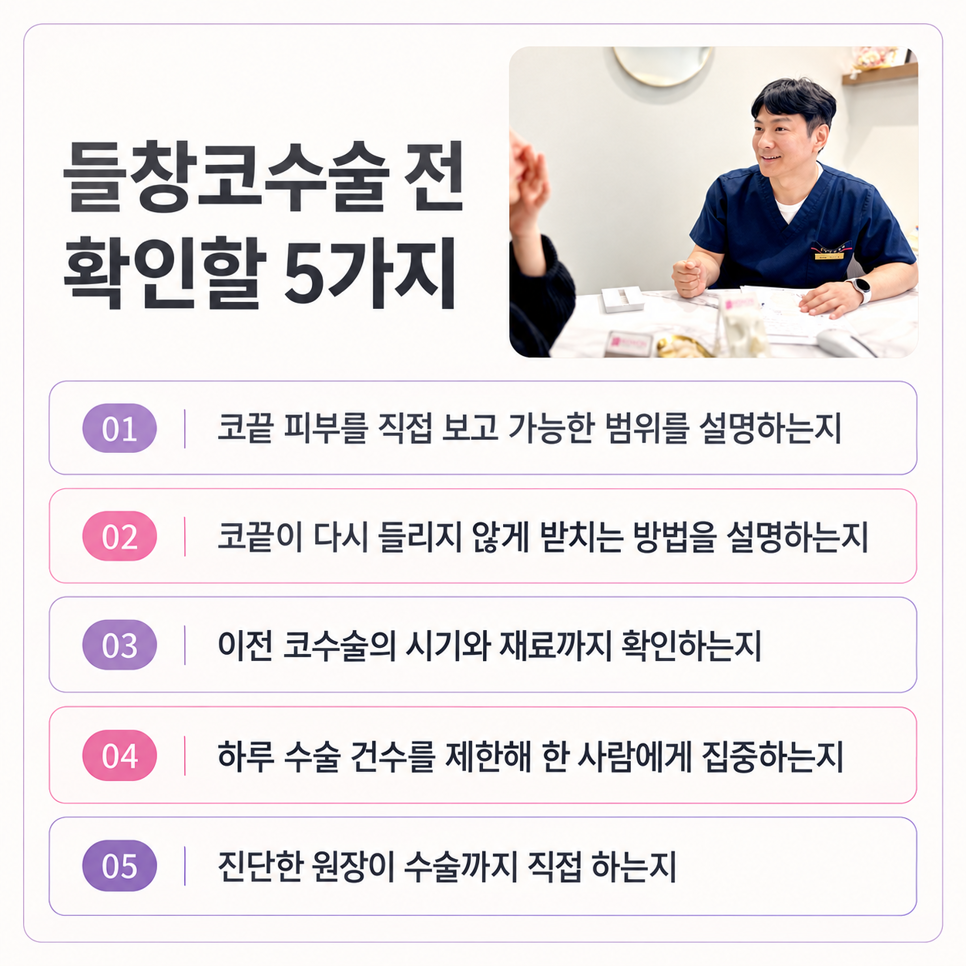
upturned nose surgery is a procedure that requires considering cartilage selection, nasal tip fixation, skin laxity, and nasolabial angle together.
so The criterion for judgment is not how much nasal tip can be lowered, but rather why that amount is explained.
• Whether they directly examine nasal tip skin and explain the possible range
• Explaining how to support nasal tip so that it does not lift again
• If there is a history of previous nose surgery do you check the timing and materials used?
• Limiting the number of daily surgeries to focus on one patient
• Does clinic director who diagnosed the condition personally perform the surgery?
Once you start to worry about nostril being visible, you will find yourself conscious of your head angle every time you take a photo, and even as you decide to have surgery, you will likely be more concerned about them recurring.
I think it is more important to keep the lowered nasal tip nasal tip in place for a long time than to lower it by a certain amount.
And I believe that range is ultimately determined by the patient's skin and facial balance.
I hope this article helps those who are concerned about short nose or upturned nose establish standards that suit their nose.

KOWON Plastic Surgery clinic director Hyung-taek Kim
I always treat patients with this mindset.
We will help you find the nose that suits your face.
Preview virtual surgery results via 1:1 video call consultation

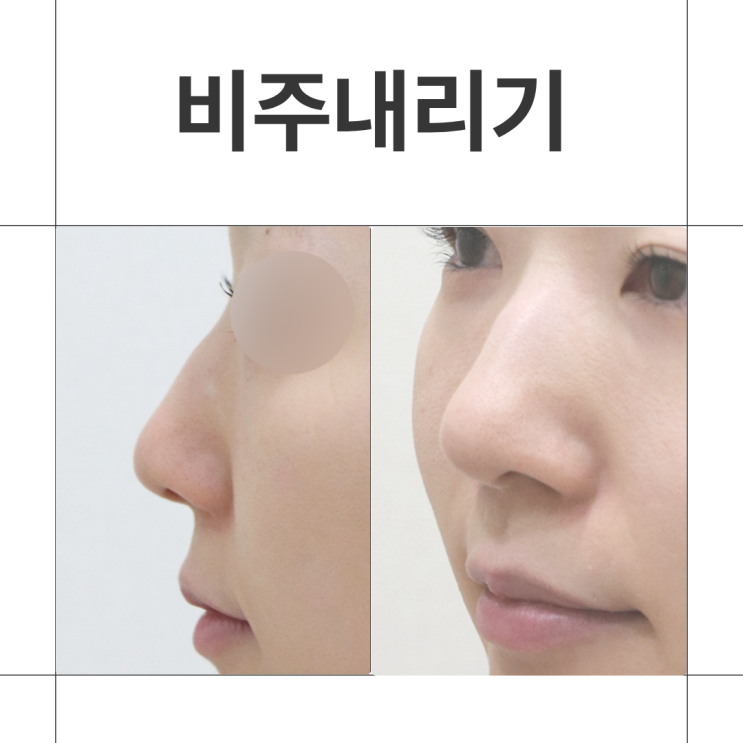
The reason for examining columella descent, columella depression nasolabial angle , and nostril wing
KOWON Plastic Surgery Clinic
2nd Floor, KBL Center, 110 Dosan-daero Gangnam-gu, Seoul

This procedure/surgery may cause side effects such as bleeding, infection, swelling, and asymmetry depending on the individual. Please consult with medical staff for accurate information before making a decision.
— Dr. Hyung-taek Kim, KOWON Plastic Surgery