
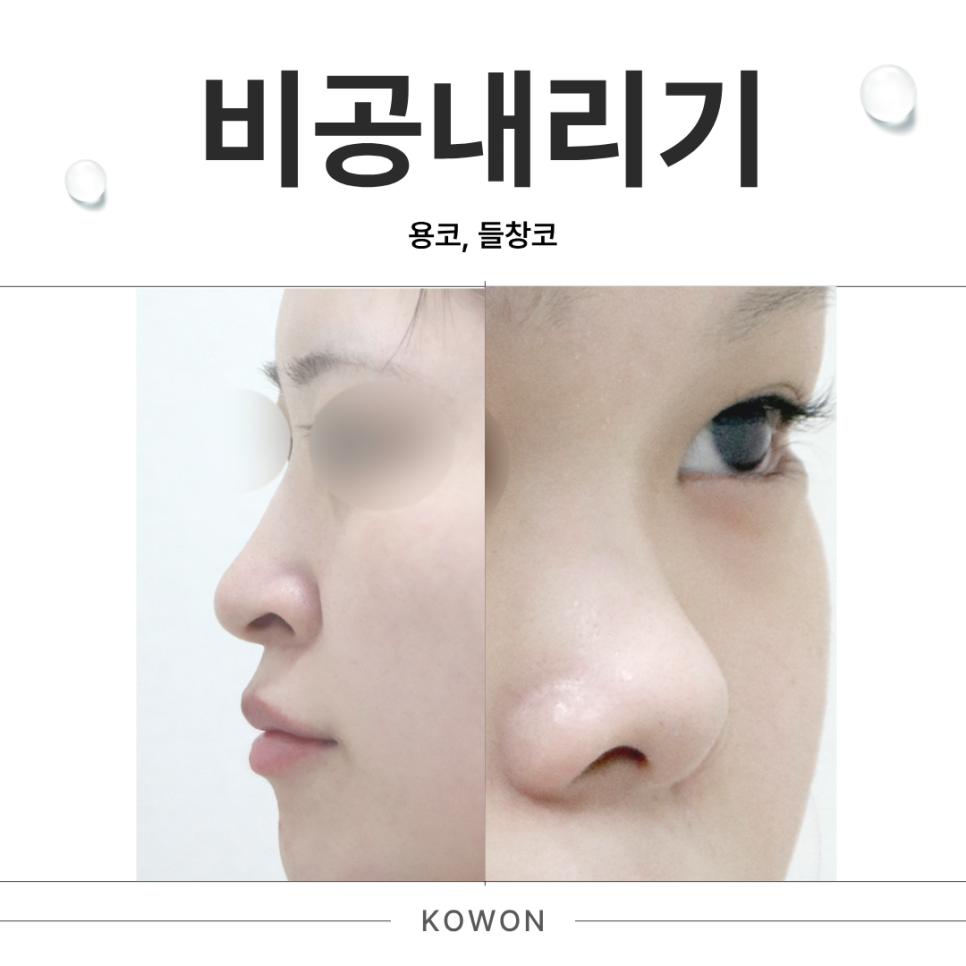
Sinsa Station Plastic Surgery Clinic alar rim lowering, Yongko and upturned nose surgery: Criteria for checking the nasal tip and nostrils before surgery
Doctor, my nostrils are very visible from the front,
If I undergo alar rim lowering, will my nose look less upturned?
Some people worry that their nostrils stand out in every photo, making them concerned that they may have a Yongko or upturned nose.
It can also be confusing whether the nasal tip needs to be lowered or the entire nose needs to be lengthened.
Even if it looks similar on the outside, the causes are not always the same.
There are cases where the nose is long enough but the cartilage around the nostrils is raised upward, and cases where the actual nose itself is short.
If you are considering alar rim lowering, you should first look at this difference.
Table of Contents
1. Just because the nostrils are visible does not mean the nose is short
2. How can I distinguish which type my nose is?
3. Whether to only change the cartilage direction or also lengthen the nose will differ
Just because the nostrils are visible,
does not mean the nose is always short.
"If my nostrils are very visible, doesn't that mean my nose is short?"
It's easy to think that way, but that's not always the case.
Even if the nose is long enough, if the nostril wing cartilage is directed upward or outward, the nostrils may appear more exposed from the front and side.
If the columella is relatively lowered and both nostril wings are raised, then it is often referred to as Yongko in appearance.
In this case, rather than lengthening the entire nose, you should first look at which cartilage is raised and in which direction first.
Depending on the position and condition of the raised part, you may plan to adjust the direction of the cartilage.
On the other hand, if the nose itself is short and the nasal tip is raised upward, upturned nose type, the approach is different.
The skin and soft tissue may also be adapted to the short length, so simply changing the position of the nostril wings may not be enough to place the nasal tip in the desired position.
Which type is my nose?
How can I distinguish it?
While looking in the mirror, "If my nostrils are this visible, does that mean my nose is short?"it's not easy to judge on your own.
Even if it looks similarly upturned, in reality, it may be that the nostril wings are raised rather than the nose being short.
If you are considering Sinsa Station Plastic Surgery Clinic,
rather than asking, "How much can you lower the alar rim?"it is better to also ask, how to check which part of your nose is raised at the same time.
In the consultation room, not only the front view but also the side view is examined to check these aspects.
• Does the entire nose appear short?
• Is the nasal tip pointing upward?
• Are only the nostril wings on both sides raised unusually high?
• Are the heights of the columella, the central pillar of the nose, and the nostril wings well matched?
• When the nasal tip is pulled downward, does the skin feel tight?
• Is there a difference in the cartilage available for use due to previous nose surgery?
From the patient's perspective, it may all feel like the single concern of the nostrils being very visible.
However, after focusing on noses for over 20 years in practice, I have seen that even if Yongko or upturned nose look similar on the outside, the actual areas that need correction can differ.
Therefore, rather than deciding based on the name of the shape, it is helpful to first distinguish whether your nose is originally short or if the nostril wings on both sides are raised upward to determine the direction for alar rim lowering.
Whether to only change the cartilage direction,
or also lengthen the nose will differ.
"If the nostrils are visible, can't you just lower them?"It's easy to think that way.
Alar rim lowering methods differ depending on why the current nose appears upturned.
Current appearance
Direction to examine
If the nose length is fine but the nostril wings on both sides are raised
Adjust the position and direction of the raised cartilage
If the nose itself is short and the nasal tip is also upturned
Consider extending the nasal tip and supporting the structure from inside
If the actual nose is short, septal extension graft may be considered as a method to create space for the nasal tip to be lowered.
It's not simply about lowering the nasal tip, but also about ensuring the new position is stably supported, as well.
The cartilage to be used is not decided in advance.
We examine how much extension is needed, how much strength is required, and how much cartilage is available in your nose.
If septal cartilage alone is insufficient, Ear cartilage or costal cartilage may be considered together.
Ultimately, rather than which cartilage to use, the first step is to distinguish whether only the nostril wing is lifted or if the length of the nose also needs to be extended.
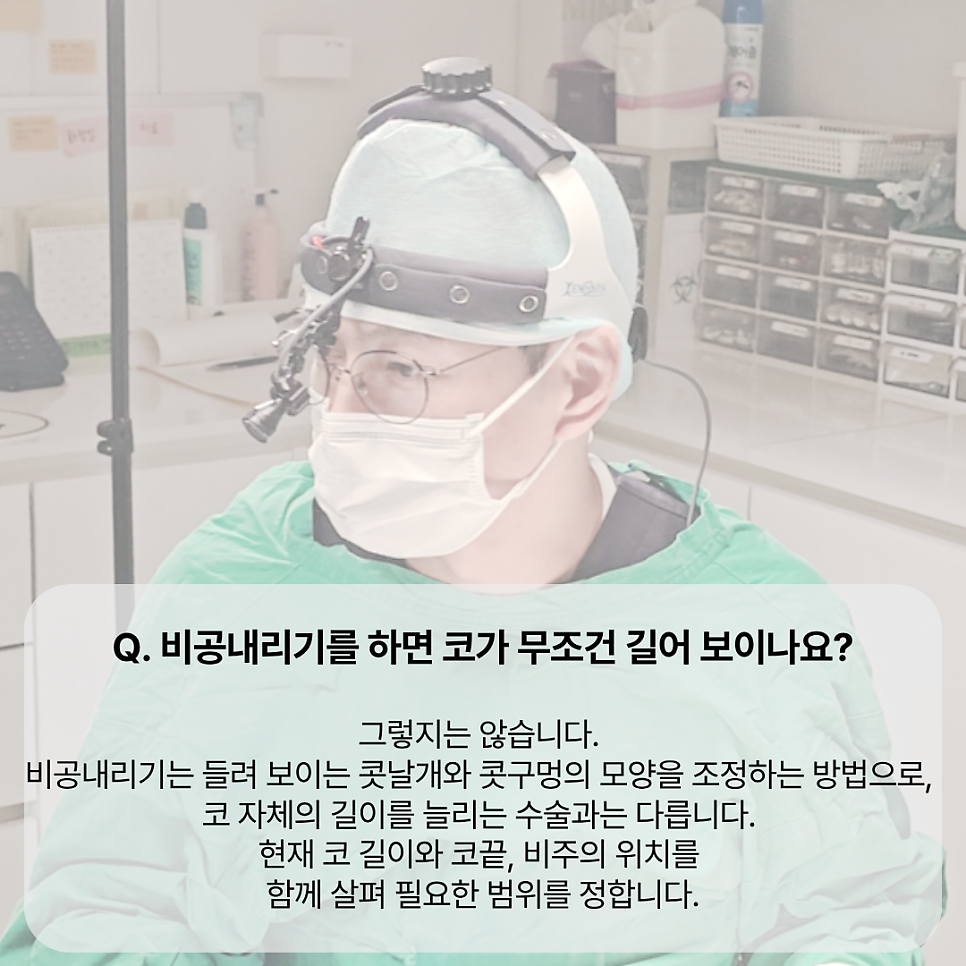
Q. Does alar rim lowering always make the nose look longer?
If one nostril wing is more lifted and the nostrils appear uneven, alar rim lowering may be considered. However, there are cases where the nasal tip or columella is tilted to one side, resulting in asymmetry. Therefore, instead of lowering both sides equally, it is important to first examine where the difference occurs and then determine the adjustment range.
Some people may have been bothered by their nostrils being more visible in photos, making them self-conscious about their smiling or frontal photos.
When searching for terms like yongko or upturned nose, you may feel an urge to quickly change the shape.
However, rather than matching your nose to a name, I hope you first find out why it looks that way.
Even just distinguishing whether the nose itself is short or if the cartilage around the nostrils is lifted upward can help you more comfortably understand which direction to consider for alar rim lowering.

Hyung-taek Kim, Chief Director of KOWON Plastic Surgery
I always provide consultations with this mindset.
I will help you find a nose that suits your face.
Preview virtual surgery results with 1:1 video call consultation

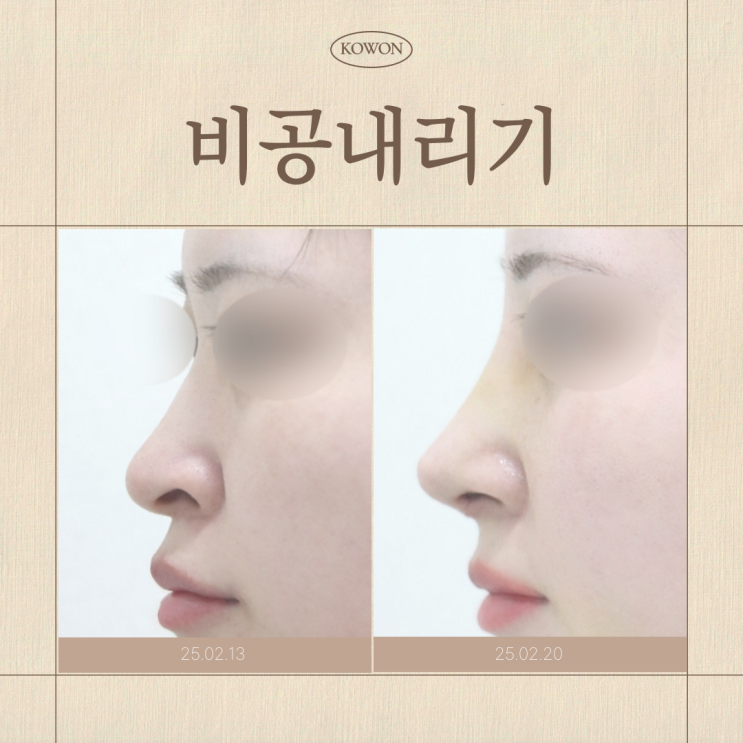
Why do alar rim lowering and yongko occur, and how should they be evaluated?
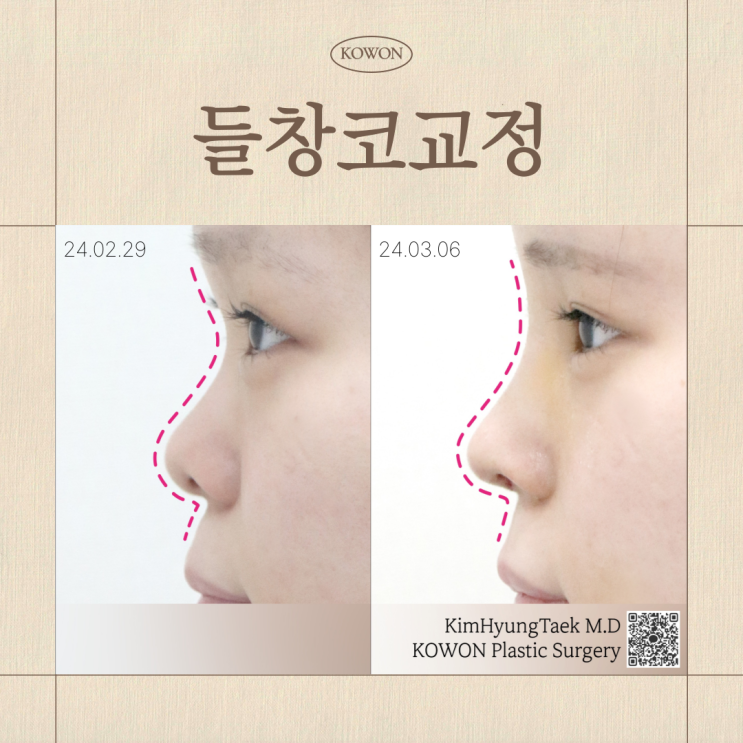
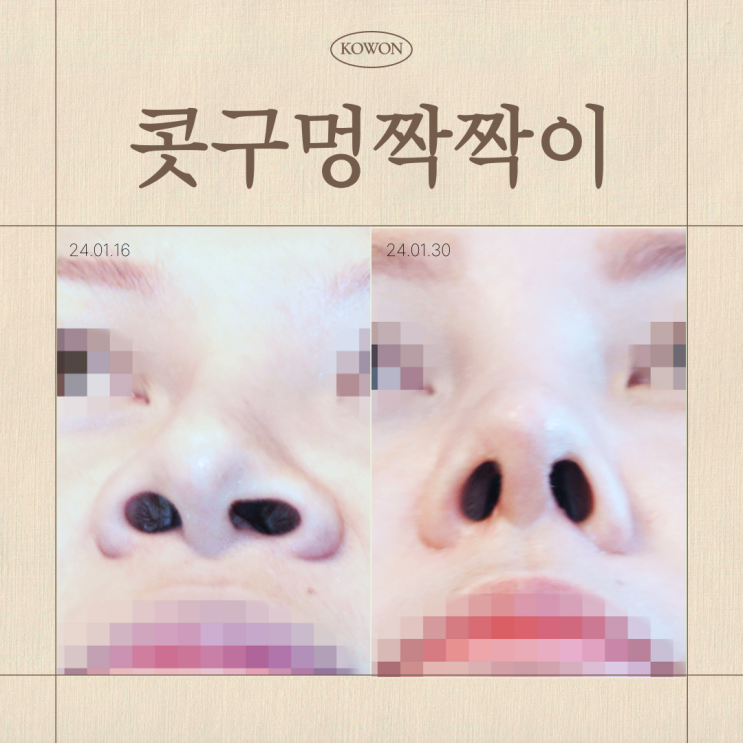
Uneven nostrils: when should nostril asymmetry be checked?
KOWON Plastic Surgery
2nd Floor, KBL Center, 110 Dosan-daero, Gangnam-gu, Seoul

This procedure/surgery may cause side effects such as bleeding, infection, swelling, or asymmetry depending on the individual. Please make your decision after consulting with medical professionals for accurate information.
— Dr. Hyung-taek Kim, KOWON Plastic Surgery