
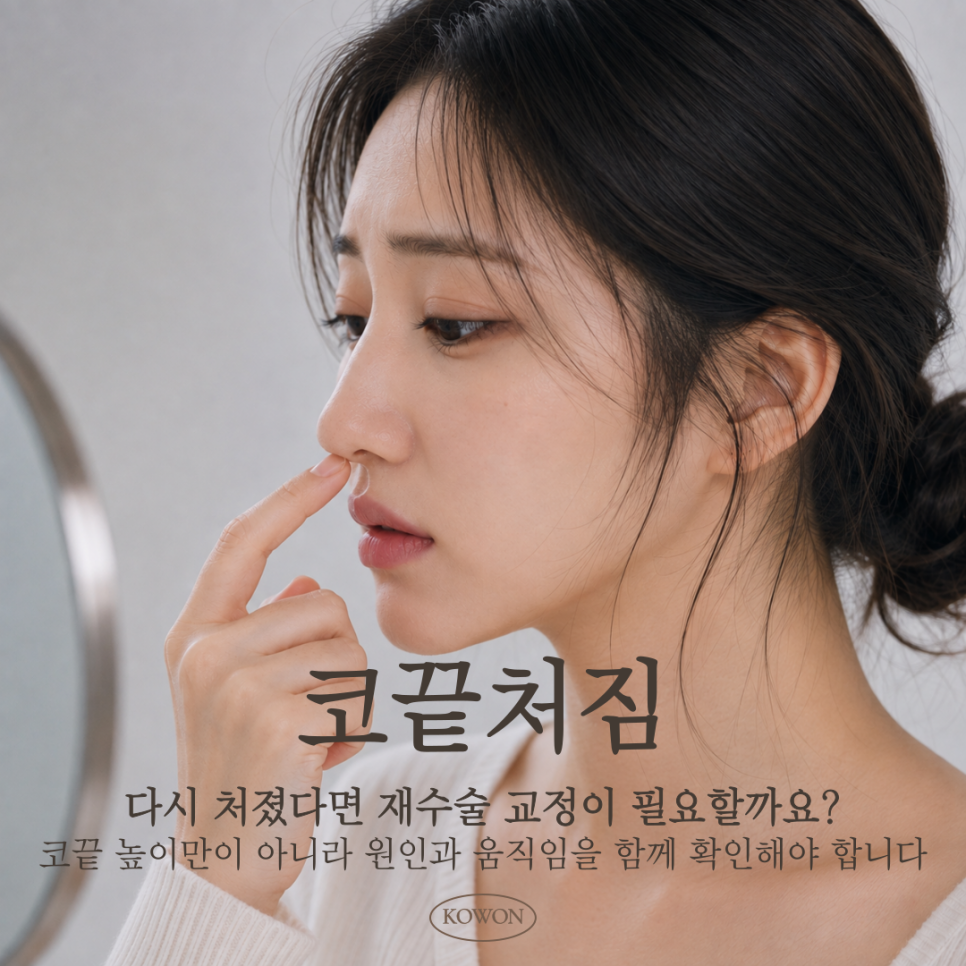
Causes of nasal tip drooping after nose surgery: If it droops again, is revision surgery necessary?
Some people say that they are more concerned about their appearance in photos or when smiling than when looking in the mirror because of nasal tip drooping.
Although it may look fine normally, when you smile, the nasal tip may drop downward, making the nose appear longer.
As time passes after nose surgery,
"My nasal tip seems to have dropped compared to the beginning. Should I have revision surgery?"
is a question that is sometimes asked.
Not all cases of a drooping nasal tip have the same cause.
It is necessary to distinguish whether the tip is drooping even at rest, whether it drops more when smiling, and whether the part supporting the nasal tip has changed due to previous surgery.
Today, I will explain the causes of nasal tip drooping and what aspects are checked after nose surgery to determine whether correction or revision surgery is needed.
Causes of nasal tip drooping,
Why does it look worse when smiling?
Causes of nasal tip drooping, nose that droops when smiling
If the nasal tip points downward even at rest, the first thing to check is the part supporting the nasal tip, such as the nasal tip cartilage or nasal septum.
On the other hand, if it is fine at rest but only drops when smiling, the movement according to facial expressions should also be checked.
This is because when smiling, depressor septi nasi muscle and other facial muscles may affect the movement of the nasal tip.
Therefore, in the clinic, not only the front or side view is examined, but also both a relaxed and a smiling expression are compared.
In fact, after many years of focusing on nose surgery, I have seen cases where, although the nasal tip drooping appears similar, the aspects that need to be checked differ.
1. Appearance at rest
• The nasal tip points downward even when still
→ Check the parts involved in support, such as the nasal tip cartilage and nasal septum.
• Drooping is not prominent at rest
→ Compare how it changes when smiling.
2. Appearance when smiling
• The more you smile, the more the nasal tip drops
→ Also check the influence of facial muscles.
• The movement of the nostril wing also increases
→ Compare not only the nasal tip but also the surrounding movements.
Therefore, if nasal tip drooping worsens when smiling, rather than only looking at the height of the nasal tip, it is important to check the difference between the resting state and when making facial expressions.
If the nasal tip appears droopy after nose surgery,
what should be checked?
Nasal tip drooping after nose surgery
The decision for revision surgery is not made solely because the nasal tip appears to have dropped after nose surgery.
First, it is necessary to check when the change was first noticed and the current condition of the part supporting the nasal tip.
Especially if it is a previously operated nose, it is also necessary to check which cartilage was used, which parts were corrected, and the remaining tissue and scar tissue.
If the original nose was an arrow nose (droopy tip) or the nasal tip dropped more when smiling, one more thing should be checked.
If only the shape of the nose was corrected without sufficiently considering the influence of the muscle that pulls the nasal tip downward, it may appear droopy again over time.
In such cases, rather than simply raising the nasal tip again, the depressor septi nasi muscle and similar muscles that affect the movement of the nasal tip should be checked, and if necessary, the nasal muscles should also be corrected.
Therefore, when correcting nasal tip drooping after nose surgery, it is important not only to look at the current height but also to determine the scope of correction by examining the original cause of the arrow nose (droopy tip), movement according to facial expressions, and the support status of the nasal tip.
Correction and revision surgery for nasal tip drooping,
what should be considered when making a decision?
Correction of nasal tip drooping, nasal tip revision surgery
The method of correction for nasal tip drooping is not determined solely by the degree of drooping.
First, the difference between the resting state and when smiling, and the condition of the nasal tip support should be checked to distinguish the cause of the drooping.
After identifying the cause, the necessary degree of support for the nasal tip is assessed.
Especially in revision surgery, the condition of the tissue and scar tissue altered by previous surgery, as well as the cartilage currently available for use, are also considered.
Thus, even if the nasal tip was droopy from the beginning or if nasal tip drooping appeared after nose surgery, the aspects that need to be checked may differ even if they look similar on the surface.
Therefore, rather than deciding on a specific correction method first, it is important to determine the scope of correction after checking the current cause and support status of the nasal tip drooping.
Q&A
Q1. If the nasal tip appears droopy after nose surgery, when should I start considering revision surgery?
The decision for revision surgery is not made immediately just because the nasal tip appears to have dropped. It is necessary to first check the current state, such as how much time has passed since surgery and whether the change is ongoing.
Q2. Can an arrow nose (droopy tip) be corrected just by raising the nasal tip?
An arrow nose (droopy tip) may be influenced not only by the shape of the nasal tip but also by the muscle that pulls the nasal tip downward when smiling. Therefore, rather than only considering raising the height, it is necessary to first examine which factors are involved in the drooping.
Q3. Is costal cartilage always necessary in revision surgery?
The use of costal cartilage is not determined solely because it is revision surgery. The material is chosen after considering the cartilage currently available and the required degree of support.
If you feel that your nasal tip has dropped compared to before, especially if you have already had nose surgery, you may worry about needing revision surgery first.
However, it is difficult to distinguish the cause based solely on the visible height of the nasal tip.
Observing the appearance both at rest and when smiling, the supporting structures of the nasal tip, and any changes from previous surgeries can help determine what needs to be checked now.
I hope this article was helpful.
Hyung-taek Kim, Chief Director of KOWON Plastic Surgery Clinic
I always provide care with this mindset.
A nose that suits your face, designed together with you
Preview virtual rhinoplasty results through 1:1 video consultation


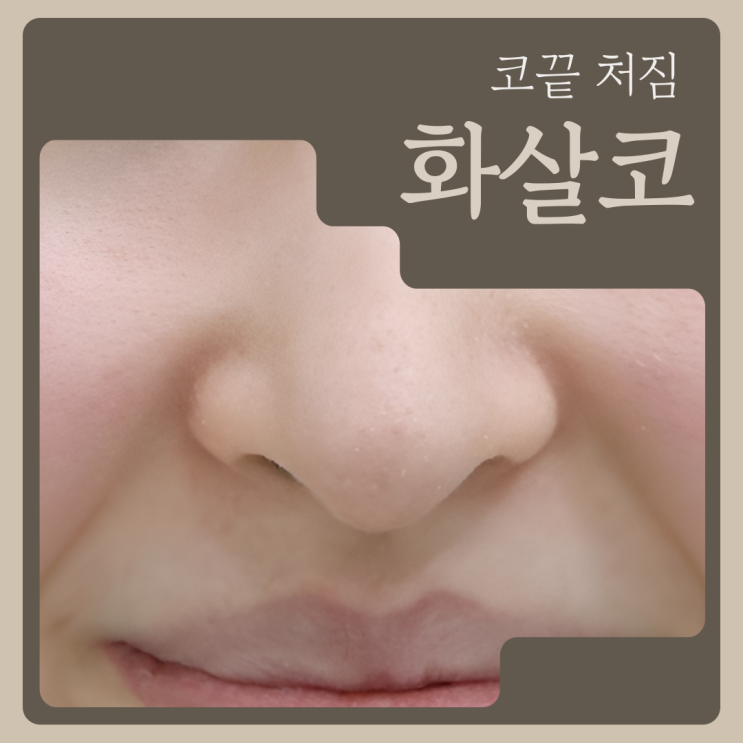
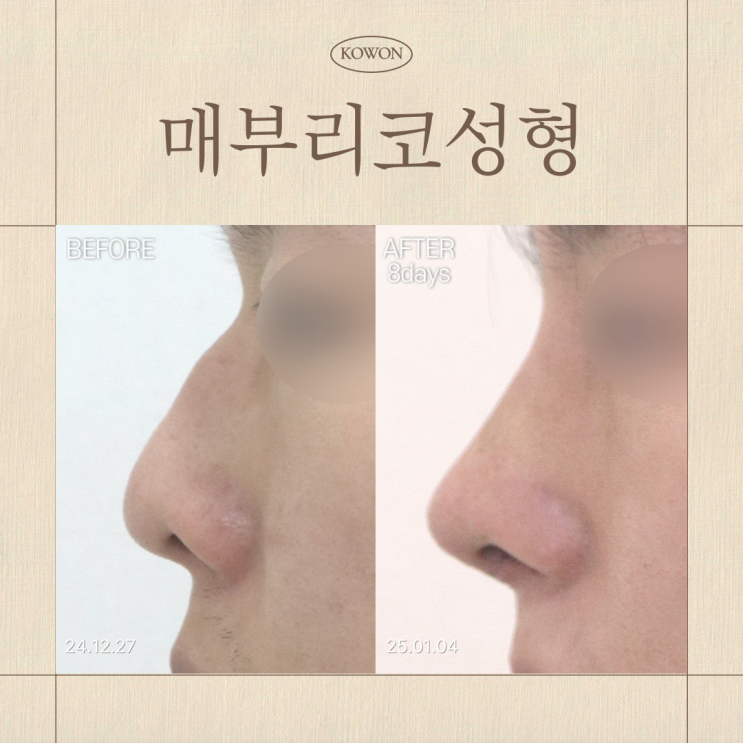
Drooping nasal tip, correcting only the tip of an arrow nose is not enough
KOWON Plastic Surgery
2nd Floor, KBL Center, 110 Dosan-daero, Gangnam-gu, Seoul

View the original post on Naver Blog
This procedure/surgery may cause side effects such as bleeding, infection, swelling, or asymmetry depending on the individual. Please consult with medical staff for accurate information before making a decision.
— Dr. Hyung-taek Kim, KOWON Plastic Surgery