
Many people are concerned about material selection ahead of their first or revision rhinoplasty surgery.
In particular, those who have experienced inflammation or deformation from artificial implant in the past are bound to be very worried about the possibility of trouble occurring again, even if they want to raise their nose again.
As the director of KOWON Plastic Surgery clinic director , I would like to talk about autologous tissue rhinoplasty , which creates natural lines while reducing such anxiety.
Understanding implant Foreign Body Reactions and contracture Phenomena
Artificial implant like silicone are easy to guide, but from our body's perspective, they are foreign substances introduced from the outside.
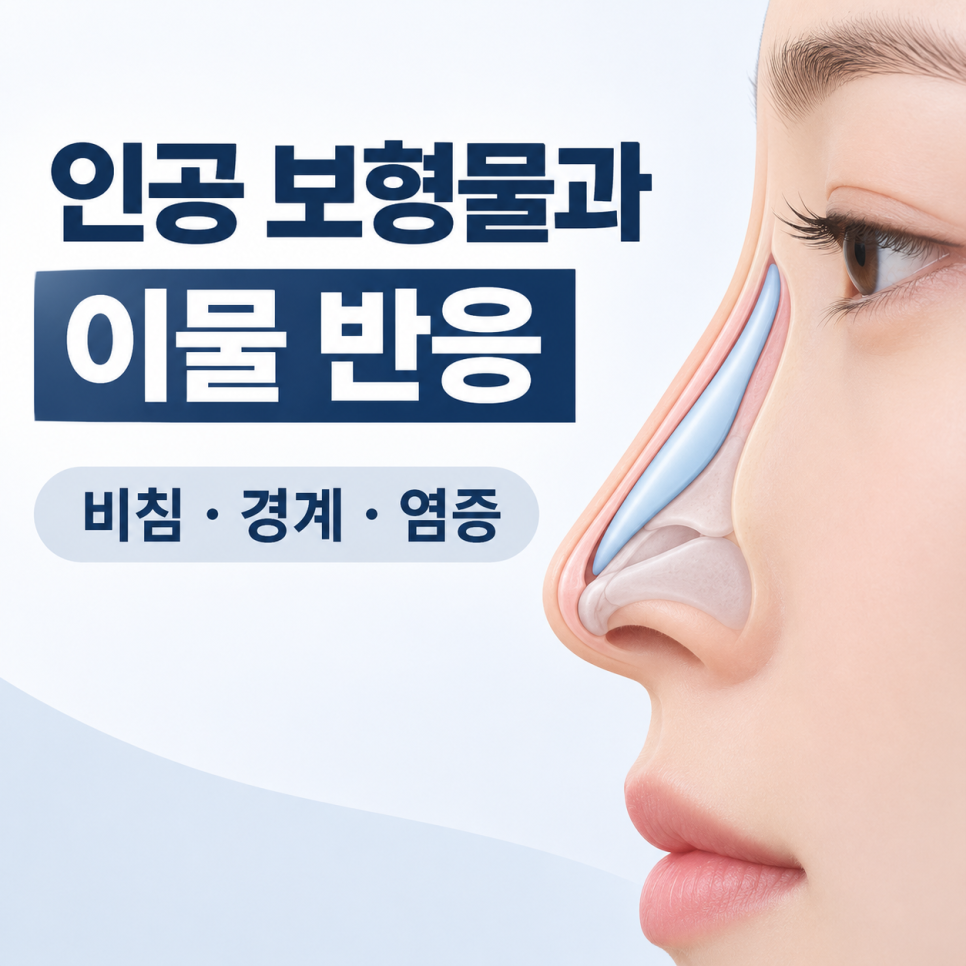
For those with thin skin, implant may become visible or the edges may be palpable over time, and there is also a risk of tissue shrinkage due to repeated inflammation reactions.
In fact, many patients I encounter in clinical practice prefer not to use silicone precisely because of concerns regarding this implant-free nose surgery contracture .
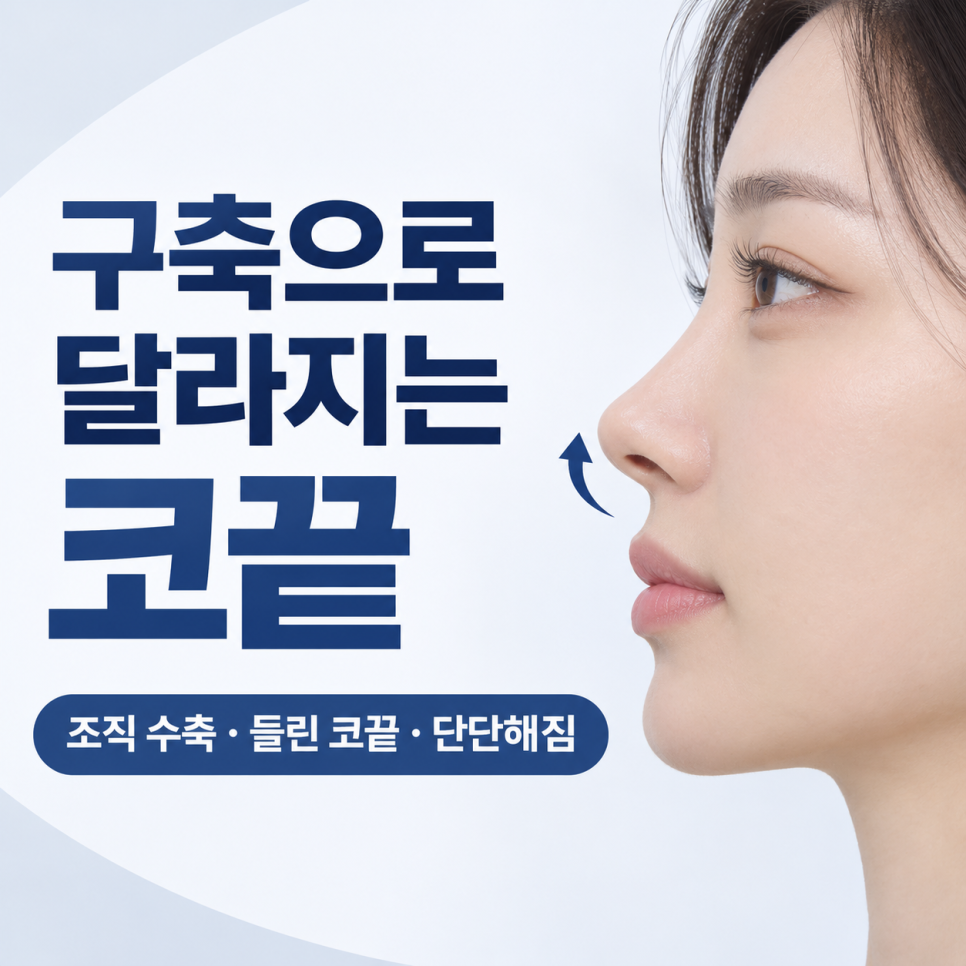
contracture phenomenon goes beyond a simple change in shape and involves complex changes in which the skin contracts, nasal tip lifts, and the tissue itself hardens.
Once damaged, skin reacts sensitively to even minor irritations, so minimizing the reaction to foreign substances is of the utmost importance.
In this case, if your own cartilage is used instead of artificial materials, it integrates with the tissue, fundamentally reducing the burden of implant-free nose surgery contracture , and you can expect a soft touch like your natural nose.
autologous rib cartilage particle implant
Height and lines at the same time!
In the past, it was believed that there were limitations to raising nasal bridge or creating a smooth straight line using only autologous tissue .
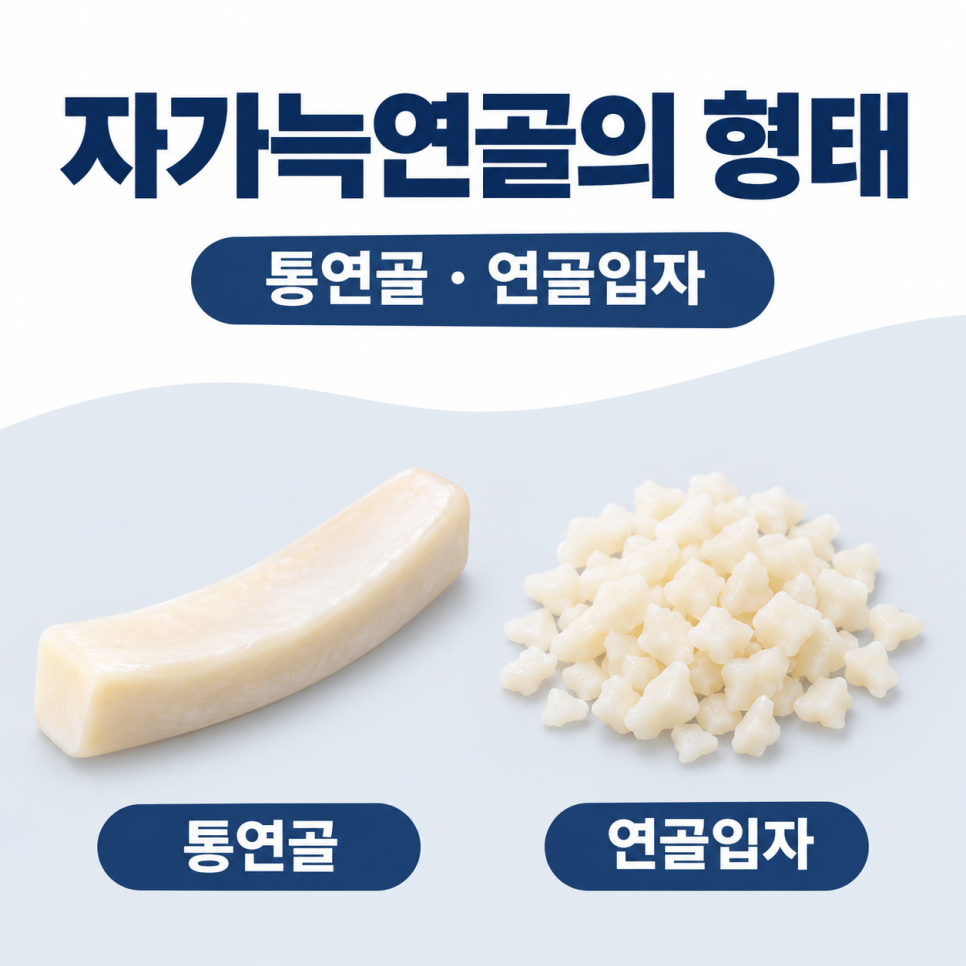
This is because solid cartilage carries a risk of bending, and cartilage particles wrapped in dermis or fascia caused nasal bridge to become blunt or had inconsistent absorption rates.
I, too, have gone through trial and error over a long period of practice to achieve both safety and precise lines, and
In that process RIBFIT™ rhinoplasty which micronizes autologous rib cartilage and compresses it into an implant shape. I ended up doing it.
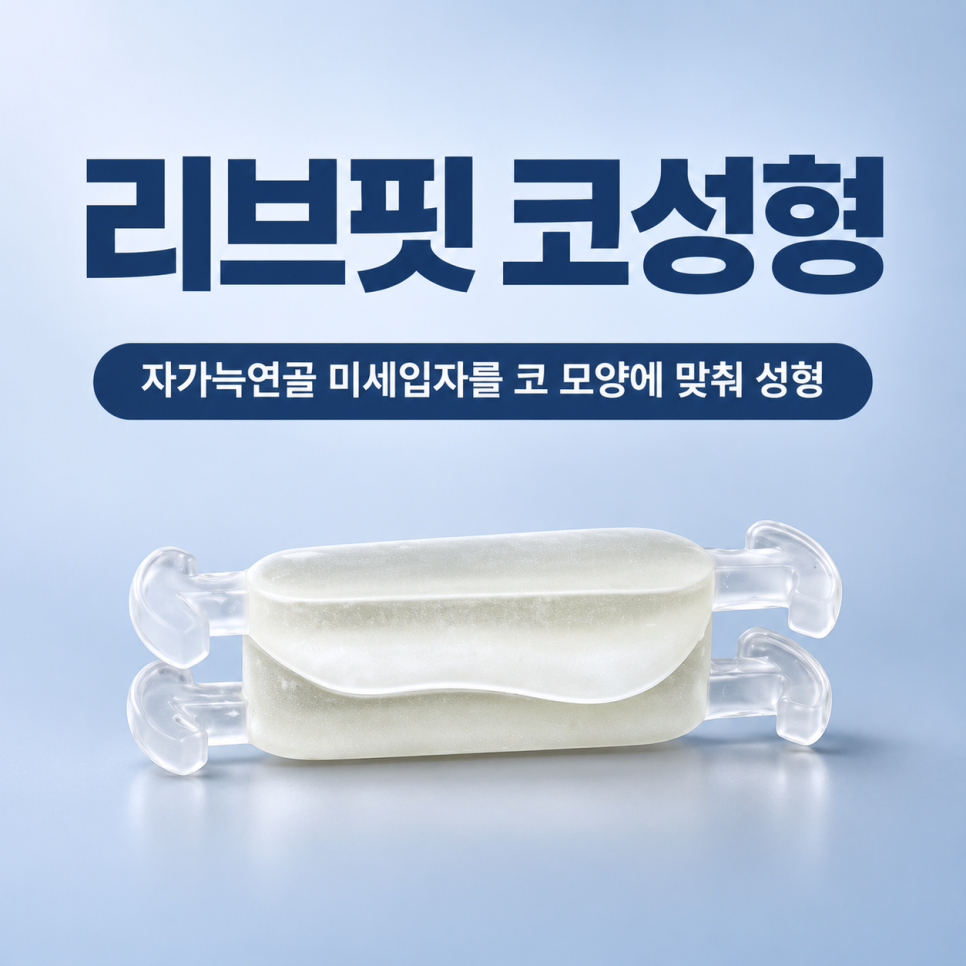
RIBFIT™ rhinoplasty minimizes concerns about absorption or deformation when finely processed costal cartilage harvested from the patient's own body is densely packed. 3D custom molds or standard molds utilizing CT data are sculpted directly to fit the individual's skeletal structure and used. I am doing it.
Thanks to that, you don't have to worry about it being see-through even if your skin is thin.
In clinical practice, we are consistently seeing cases where this principle is used to reduce the risk contracture implant-free nose surgery while maintaining stable results.
Through precise diagnosis
Customized design is key.
The amount and elasticity of cartilage, skin laxity, and nasal bone structure possessed by each individual are all different.
Therefore, the process of thoroughly assessing the internal condition through precise 3D CT diagnosis and establishing the cartilage combination that can be most safely integrated for the patient must be carried out first.
If you have always had a reluctance toward implant or are considering implant-free autologous tissue nose surgery to prevent contracture , we recommend that you have a thorough conversation with the medical team KOWON Plastic Surgery , who possess extensive clinical experience, to find the method that is right for you.
KOWON Plastic Surgery Clinic
2nd Floor, KBL Center, 110 Dosan-daero Gangnam-gu, Seoul

This procedure/surgery may cause side effects such as bleeding, infection, swelling, and asymmetry depending on the individual. Please consult with medical staff for accurate information before making a decision.
— Dr. Hyung-taek Kim, KOWON Plastic Surgery