
KOWON Blog
Three things that create dimension in small nose surgery — hump, tip length, and overall continuity
Why a small nose with a low bridge and short length can't be fixed by height alone — organized real cases along three axes: hump refinement, length extension via tip cartilage repositioning·tying, and bridge-tip continuity.

Key points
- A small nose with a low bridge and short length may not be sufficiently addressed by height alone — the process of balancing the whole while considering nose length and structure together matters.
- A short-looking tip is extended via tip cartilage repositioning and tip cartilage tying, with support structure built between cartilages so the tip naturally continues forward.
- Continuity between bridge and tip, plus balance of columella, nasolabial angle, and philtrum line must all be viewed together to create a natural flow in both front and side views.
A small, short nose often leads to the concern that the center of the face lacks dimension. At that point it's easy to start with "how much should I raise the bridge" — but in small nose surgery, changing height alone may not be enough.
This article organizes what gets viewed together in small nose surgery through a case with a low bridge, a mildly protruding hump, and short nose length, plus an upturned-nose case where the tip was lifted.
01
Why may a small nose not be sufficiently addressed by height alone?
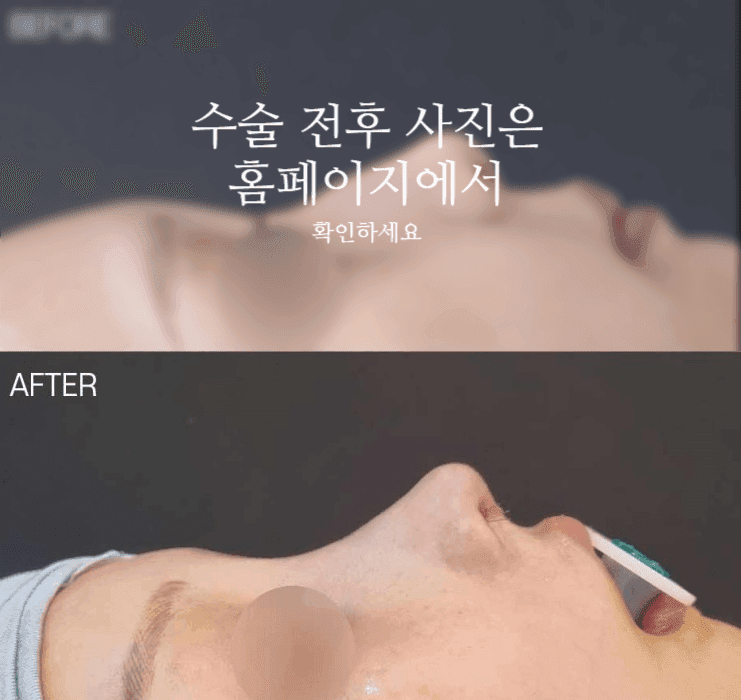
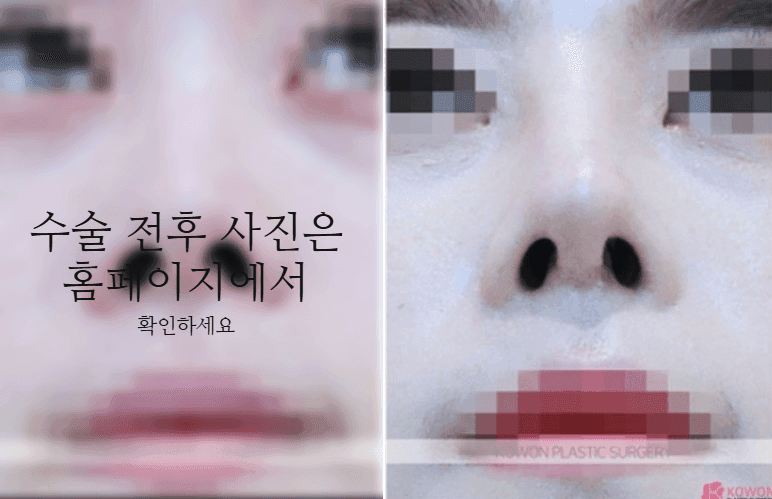
If nose length is short and tip support is weak, raising only the bridge can leave a short-looking proportion and a sense of disconnect between bridge and tip. The first case also had a low bridge, a weak hump, and short nose length together.
In such cases, refining only the hump or supplementing only bridge height may not be enough — small nose surgery requires matching overall balance while considering nose length and structure together. The actual sequence performed in this case is as follows.
- 01Hump refinement and bridge supplementation — the protruding hump area was naturally refined so the dorsal line continues smoothly, and the lacking bridge height was supplemented to match facial proportions.
- 02Tip length extension — the short-looking nose was planned toward extending tip length via tip cartilage repositioning and tip cartilage tying, with support structure built between cartilages so the tip naturally continues forward.
- 03Overall continuity and proportion — adjusted so the whole line connects while considering bridge-tip continuity, and balance of columella, nasolabial angle, and philtrum line was matched together.
As a result, the small, short-looking nose could be planned to change into a more dimensional and balanced form, proceeding in a direction that keeps the nose's presence while harmonizing with the whole face.
02
For an upturned nose with a lifted tip, what else gets checked?
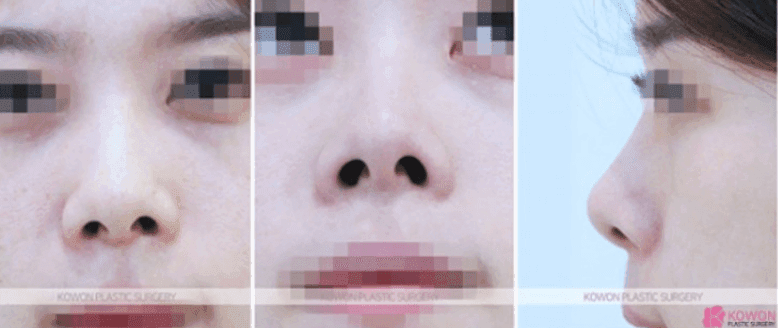
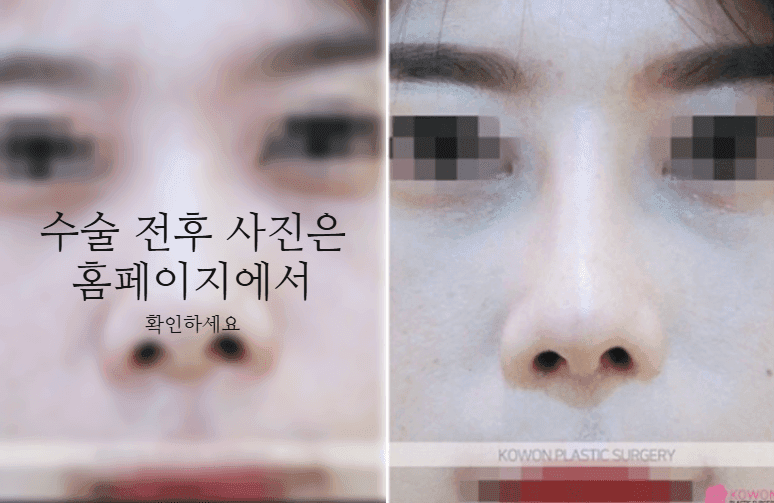
Skin reserve and support structure that can lower the tip, plus nostril exposure and the nasolabial angle, are checked together. The second case also had a short tip lifted upward with much nostril exposure in the front view.
This person had a history of past filler treatment, so some height was already formed at the bridge — in such cases, when planning upturned nose surgery, a process of first clearing the existing filler may be needed. Since the desired direction was a natural nose line without excessive height, surgery was composed as follows.
| What was checked | Treatment in this case |
|---|---|
| Weak hump at mid-dorsum | Smoothly refined |
| Short-looking tip | Length extended by reinforcing cartilage in multiple layers |
| Bridge material | About 4mm silicone used, lacking parts supplemented with ear cartilage |
| Past filler history | Checked whether clearing existing filler was needed when planning surgery |
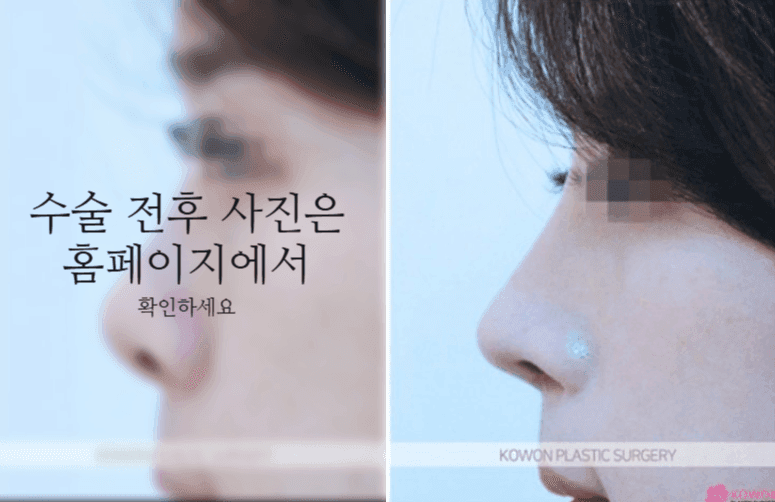
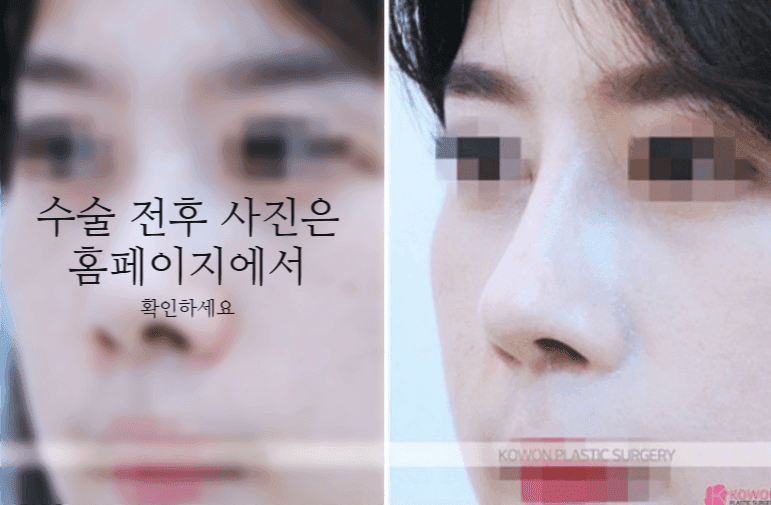
After surgery, as the tip naturally extended the lifted tip settled into a stable position, and nostril asymmetry was also relieved compared to before. As the flow from bridge to tip connected, overall proportions could be confirmed as stably organized. Actual changes can be seen in before-and-after photos.
03
Does it achieve complete left-right symmetry?
Looking closely at photos, perfect left-right symmetry isn't achieved even after surgery. When accompanied by septal deviation, structural characteristics may leave minute differences, and matching every part completely identically can have limits.
Still, the asymmetry felt in appearance can be considerably relieved — this case too was one where a more balanced line was formed through upturned nose correction and nose length extension. When judging results, it's realistic to look at whether overall proportions and flow became natural rather than "is it fully symmetric."
04
Summary — balance, not height, is the criterion
The three axes that create dimension in small nose surgery were: refining hump and bridge to connect the line, securing tip length via tip cartilage repositioning·tying and support structure, and matching overall continuity from bridge·tip·columella·nasolabial angle through the philtrum. If you have concerns about nose shape or proportion, accurately checking the current state and building a plan suited to your structure comes first.
If curious about direction matching your nose's structure and proportions, you can confirm in a 1:1 video consultation.


Frequently asked questions
Answers to common questions patients ask before a consultation.
It's often considered when nose length looks short or the overall nose size is small, making dimension seem lacking. Rather than simply supplementing height, considering tip length and structure plus overall proportions together matters.
Small nose surgery's goal isn't unconditionally enlarging size but creating balance matching facial proportions. So it's often planned toward naturally forming dimension rather than an excessively large look.
Major swelling tends to largely subside within about 1~2 weeks generally, and residual swelling and tissue stabilization can proceed over several months. The final line gradually settles over time. The recovery flow by period is organized in the rhinoplasty recovery guide.
Responses to treatment and recovery progress vary by individual. Outcomes and side effects vary from person to person. Bleeding, infection, swelling and asymmetry may occur. Please consult our medical team before making a decision.
Consultation