
KOWON Blog
Inflammation after nose surgery — why it happens and how to respond: causes, symptoms, prevention
Inflammation after nose surgery is rare, but early response matters. Causes like infection·poor hygiene·hematoma, symptoms that mean you should go to the clinic right away, and how autologous-tissue surgery and hygiene care raise the chance of prevention — organized.

Key points
- Inflammation after nose surgery is infrequent but can happen to anyone — if it occurs and isn't addressed early, it can lead to a bigger problem.
- There isn't a single cause — surgical-site infection, insufficient hygiene care, and pooled hematoma·discharge act in combination.
- If swelling with hardness·unpleasant odor·pain and warmth·persistent discharge appear, don't just watch — get examined right away.
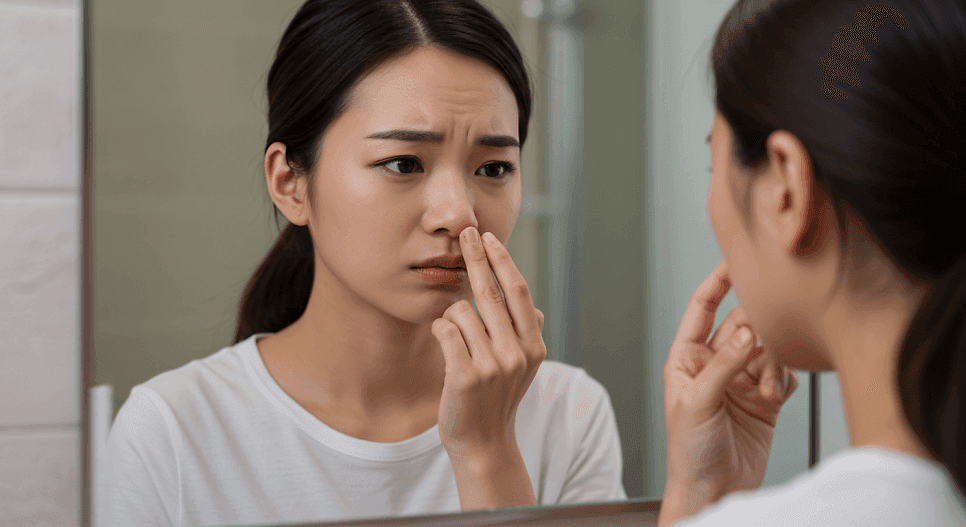
One of the things many people worry about after nose surgery is inflammation. I often get questions like 'Will the swelling last long?' or 'The inside of my nose hurts and there's discharge — is this inflammation?'
Inflammation at the surgical site appears very rarely, but when it occurs, if it isn't addressed early it can lead to a bigger problem — so accurate understanding of causes and quick response matter most. Rather than worrying vaguely, checking your own condition with accurate information is a good preventive method.
01
Why does inflammation occur after nose surgery?
Inflammation arises less from one specific reason than from several factors acting in combination. The likelihood rises especially when bacteria enter recovering tissue or immunity has dropped.
| Cause | Description |
|---|---|
| Surgical-site infection | Nose surgery involves incising mucosa and skin, so even with a clean procedure, minute bacteria can penetrate. If immunity is low in early recovery, even small bacteria can lead to inflammation |
| Insufficient hygiene care | The inside of the nose is an enclosed structure — an environment where bacteria multiply easily. Poor rinsing or a habit of frequently touching the nose raises infection risk |
| Pooled hematoma·discharge | If hematoma and discharge from bleeding or swelling pool inside the tissue, they can themselves become a cause of inflammation |
02
What symptoms mean you should go to the clinic right away?
If there is swelling with hardness, an unpleasant odor, pain and warmth, or persistent discharge, don't just watch — get examined.
- The area around the nostrils is swollen and feels hard
- A characteristic unpleasant smell
- Severe pain on pressure or a feeling of warmth
- Discharge like fluid or pus keeps coming from inside the nose
If such symptoms appear, what matters most is visiting the clinic and getting examined right away rather than watching over time. Some people delay visiting trying to solve it alone thinking 'it'll get better with time' — but many cases resolve simply if addressed early, while leaving it can develop into a situation needing bigger treatment. If it's hard to distinguish from a normal recovery course, compare with the changes by period in the recovery guide — and if anything seems even slightly off, get examined first.
03
Can't inflammation be prevented?
Inflammation doesn't occur unconditionally. Rather, good pre- and post-surgery care greatly lowers the likelihood. KOWON Plastic Surgery keeps the following direction to reduce inflammation.
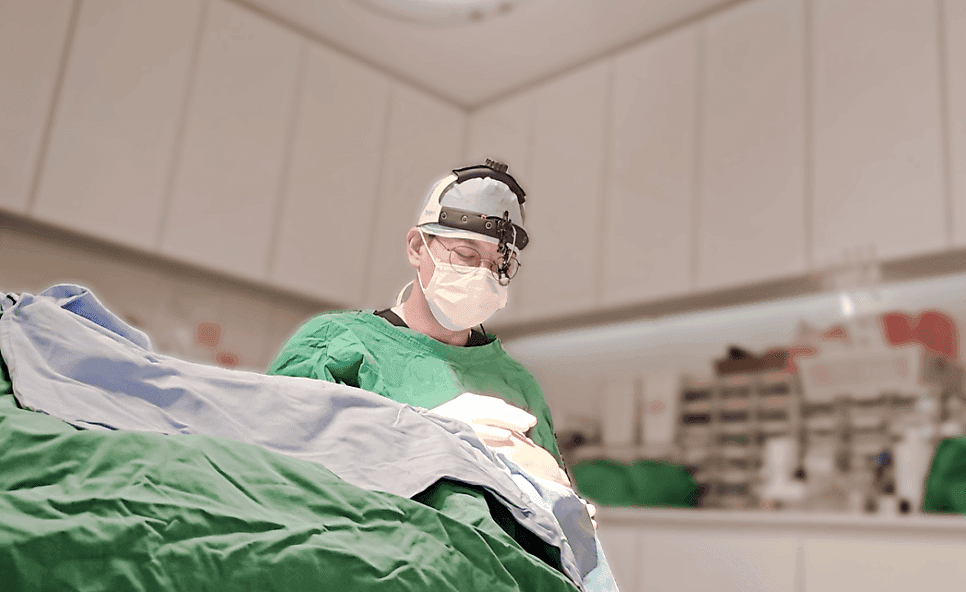
- 01Surgery centered on autologous tissue rather than artificial implants — artificial implants can help maintain shape, but depending on the patient can raise foreign-body reaction or inflammation possibility. Autologous rib cartilage, in contrast, has little in-body rejection and relatively low infection likelihood, so a stable long-term result can be expected. The detailed method is in autologous-tissue rhinoplasty.
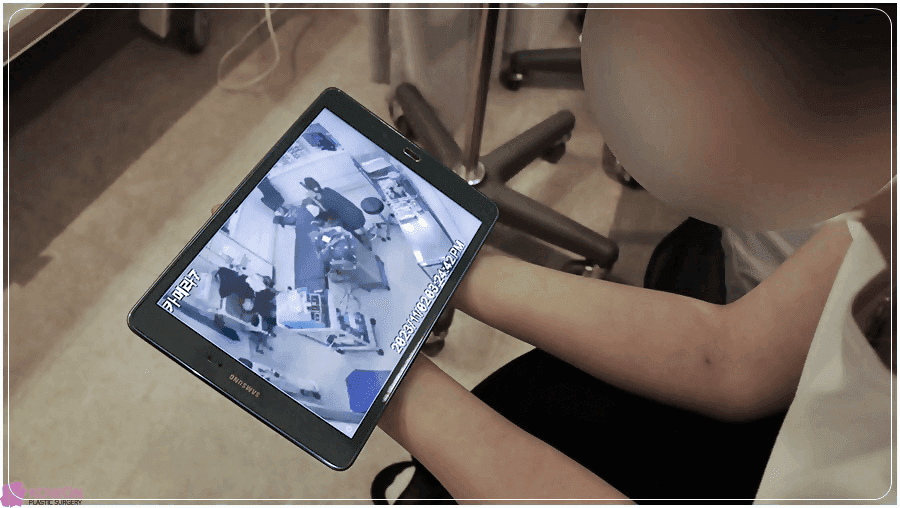
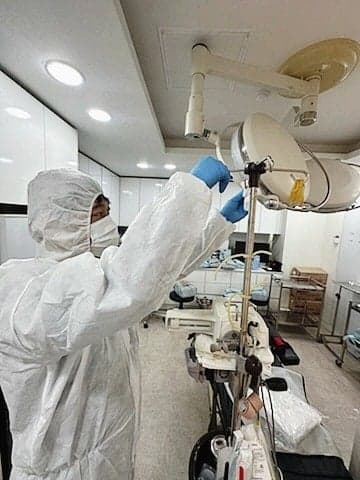
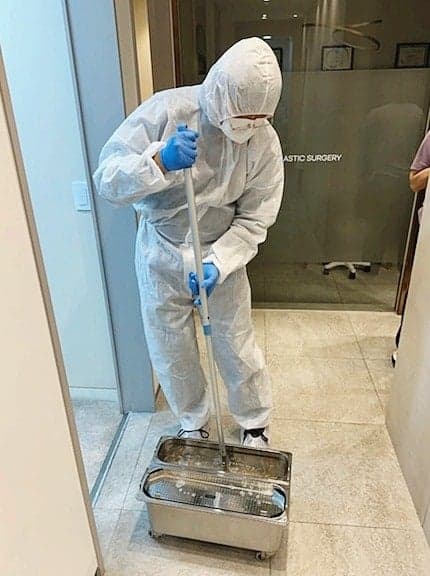
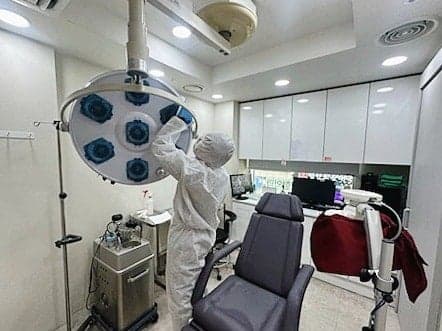
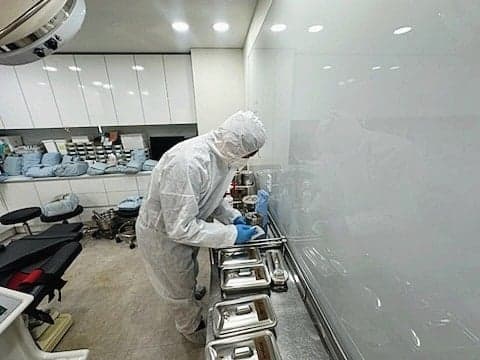
- 02Regular hygiene inspections and professional disinfection — we thoroughly manage cleanliness maintenance·disinfection procedures, operating a disinfection system aligned with multidrug-resistant organism management standards.
What matters is that hygiene care shouldn't stop at formality but must lead to actual infection-prevention effect. Inflammation prevention becomes more effective when backed by thorough hygiene care.
04
Summary — checking over worrying, and get examined if something seems off
Inflammation after nose surgery can happen to anyone, but the likelihood can be reduced through pre·post-surgery hygiene care and planned recovery management. Since checking and addressing a problem right away matters when one occurs, if you notice even a small change, don't judge alone — we recommend getting examined.
If you have questions including inflammation concerns before surgery, you can check in a 1:1 video consultation.

Frequently asked questions
Answers to common questions patients ask before a consultation.
The frequency is on the low side. But since it's a side effect that can happen to anyone, 'recognizing and addressing it quickly when it occurs' matters more than the probability being low.
Unlike recovery-process swelling, inflammation often comes with swelling that feels hard, plus pain, warmth, unpleasant odor, and discharge like fluid or pus. If such signals appear, it's safer to get examined than to wait on self-judgment.
Material selection can have an effect. Artificial implants can raise foreign-body reaction·inflammation possibility depending on the patient, while autologous rib cartilage has little rejection and relatively low infection likelihood. Still, the preventive effect grows only when surgical environment hygiene and your own post-surgery care all support it together.
Responses to treatment and recovery progress vary by individual. Outcomes and side effects vary from person to person. Bleeding, infection, swelling and asymmetry may occur. Please consult our medical team before making a decision.
Consultation