
KOWON Blog
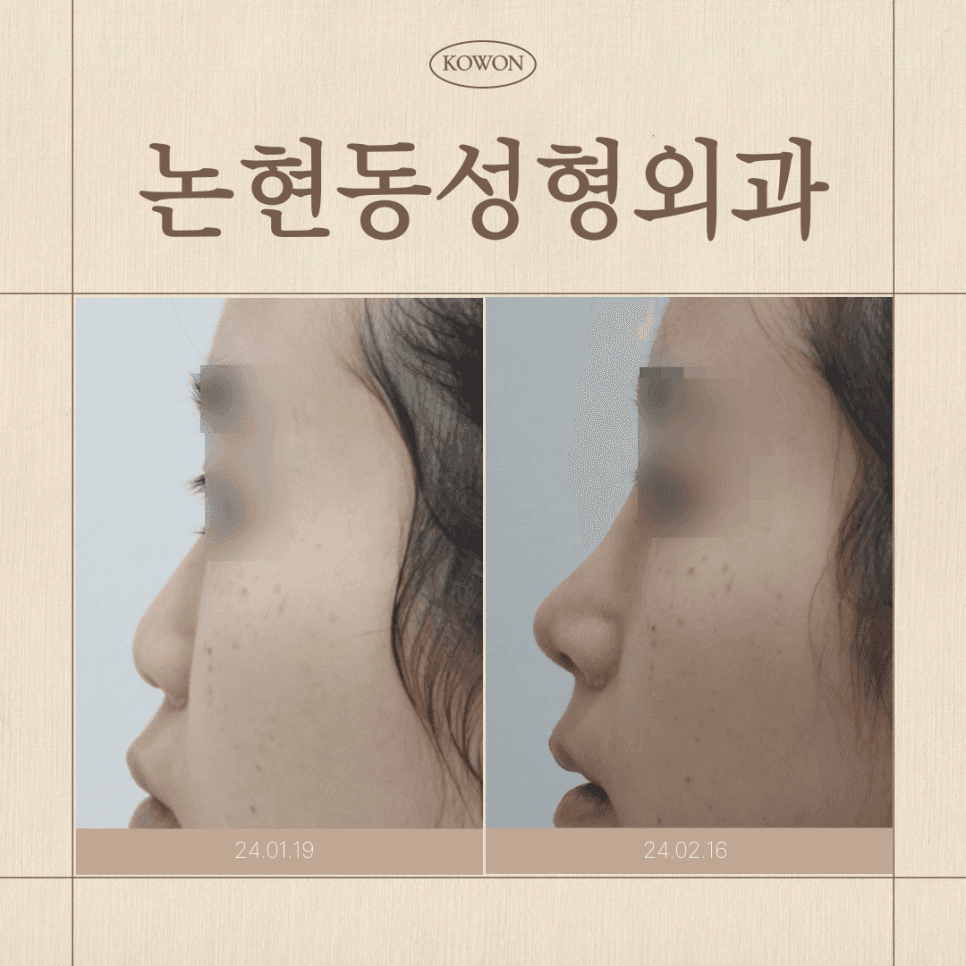
Choosing a nose surgery clinic — criteria to check before before & after photos: material selection and consultation items
Why before & after photos alone aren't enough when choosing a nose surgery clinic, why material selection matters, and five items to verify in consultation — organized, including the traits of autologous-tissue implants (RIBFIT™).
Key points
- Before & after photos only show results — they don't explain the process or judgment criteria behind them, so they alone can hardly be the basis for choosing a clinic.
- Material selection connects not just to shape but to stability maintained over time — suitable materials differ by nasal condition like skin thickness and tip support.
- When choosing a clinic, what matters is checking together how understandably they explain your nose's condition in consultation and what structure the surgery runs under.
"They all look fine — I can't decide."
It's the line I hear most in the consultation room from people researching nose surgery clinics. There are many clinics but no clear standard to filter by, and looking at before & after photos often makes things more confusing. Since nose surgery affects the impression of the whole face, judging by photos alone inevitably feels like a burden.
This article organizes what to use as criteria instead of before & after photos when choosing a nose surgery clinic — through material selection and consultation checklist items.
01
Why is it hard to choose a clinic from before & after photos alone?
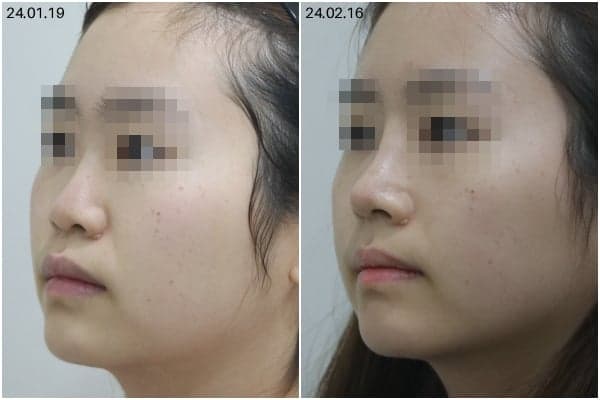
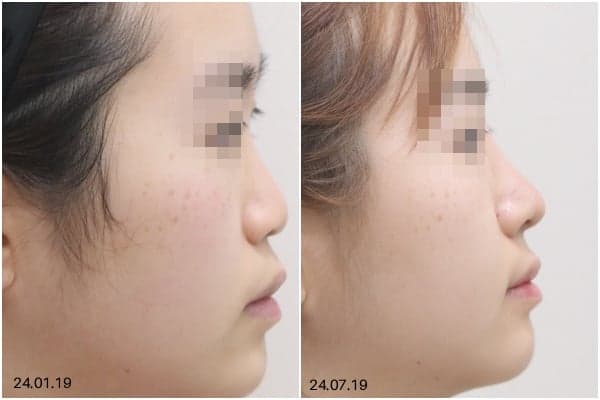
Before & after photos can be reference material, but they alone can hardly serve as the decision criterion. Photos show only results — they don't explain the process or judgment criteria behind them.
If two or more of the following apply, you need to look at judgment criteria beyond photos.
- Only photos with similar angles and similar nose shapes repeat
- There's almost no explanation by nose type
- There's only the word "natural" with no criteria explained
- In consultation, explanations come before questions
02
Why does material selection matter in nose surgery?
Nose surgery isn't simply surgery that creates height. The direction of the result can differ by balance with the whole face, material selection, and how things are explained.
Material selection matters especially because it connects not just to making a shape but to stability maintained over time. With thin nasal skin, the possibility of the implant's outline showing through must be considered; with insufficient tip support, structural design that can maintain the shape becomes important. Like this, suitable materials and approaches can differ by nasal condition and skin condition.
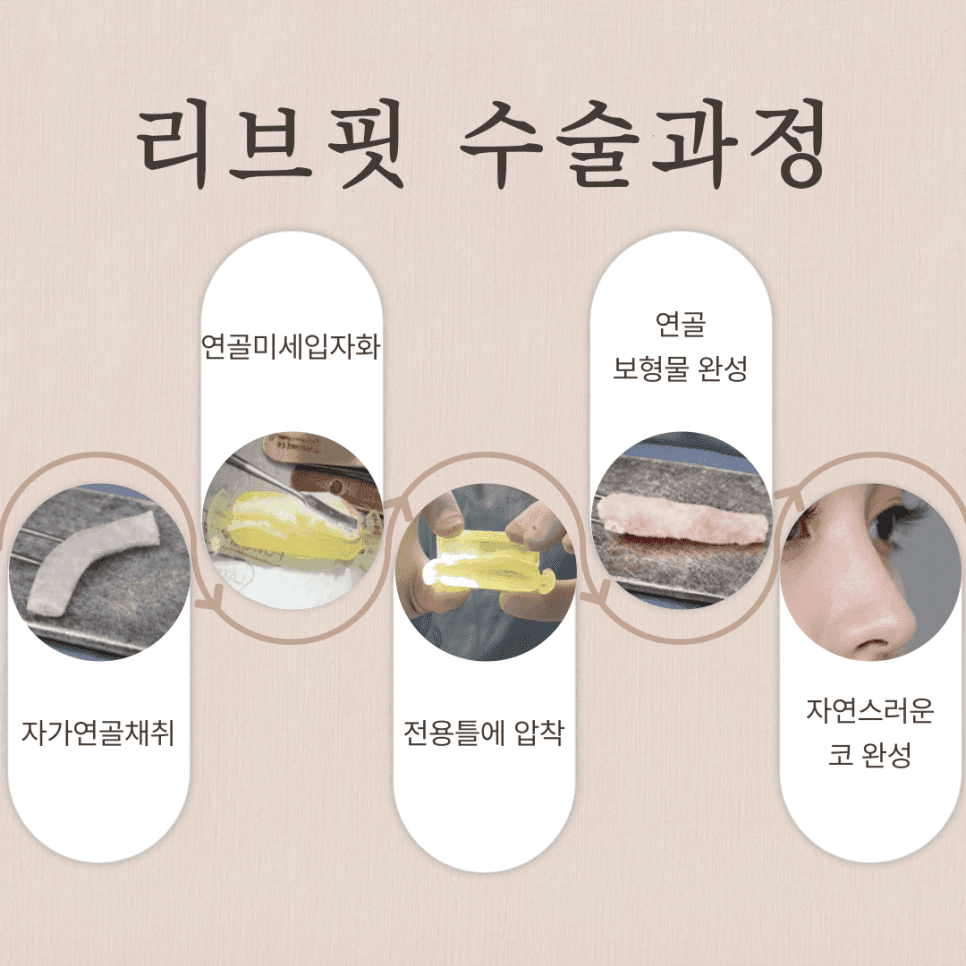
Among them, a recently popular material is the autologous-tissue implant — a method that processes autologous rib cartilage into cartilage-particle form and builds a 3D line matched to each person's facial structure. Our clinic has used it under the name RIBFIT™ since before the method became widely known.
| Trait | Description |
|---|---|
| Tissue | Described as having relatively low inflammation likelihood since it uses your own tissue (autologous rib cartilage) |
| Retention | Described as maintaining stably with lower absorption than methods using existing cartilage form as-is |
| Foreign-body sensation | Described as having less sensation of the material lifting inside the nasal skin and less change in appearance over time |
| Line | The bridge line can be designed without silicone |
What's important though is that it's not a method applied identically in every case — suitable materials can differ by nasal structure and skin condition. So rather than asserting one material is better, the process of explaining each material's traits and application criteria so the patient understands matters. If you're curious about the autologous-tissue implant method, see the RIBFIT™ guide.
03
What should you verify in consultation?
While comparing clinics, a clinic's treatment direction often reveals itself naturally in the consultation process and surgical operations. At the consultation stage, checking the following together especially helps.
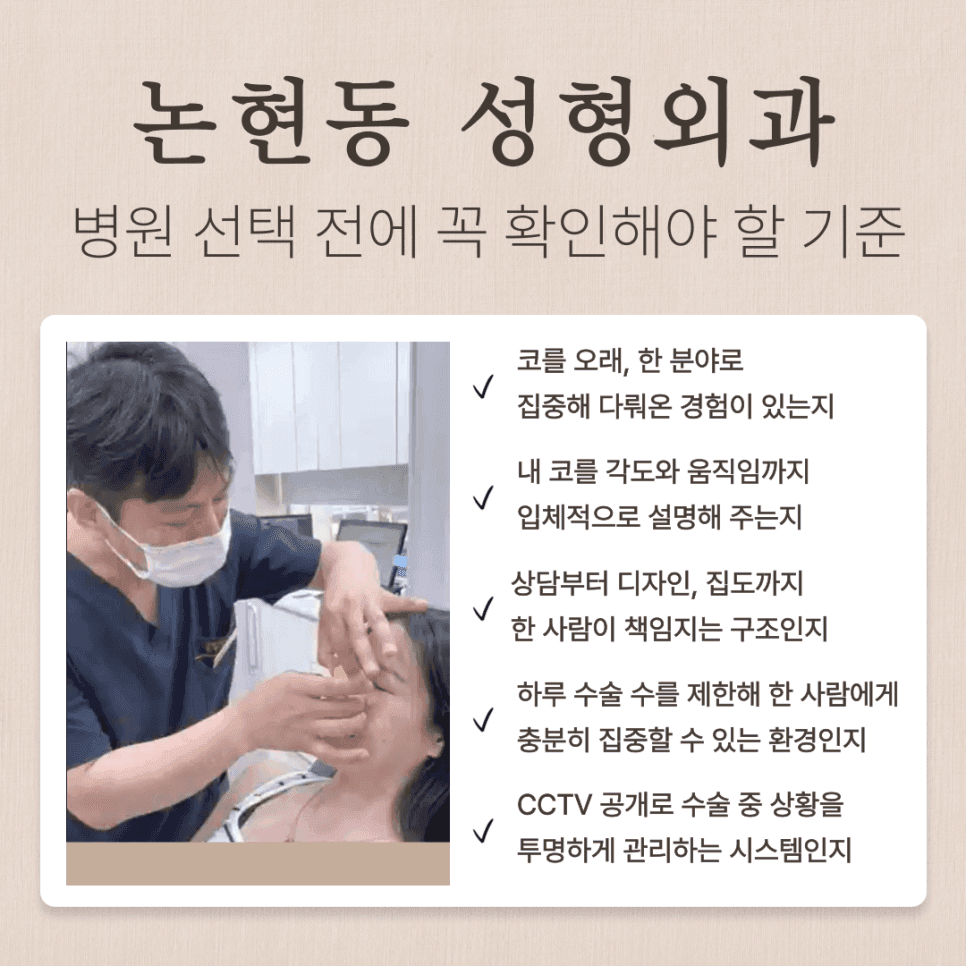
- 01Experience — whether there's experience focused on noses alone over a long period
- 02Explanation style — whether your nose is explained three-dimensionally down to angles and movement
- 03Accountability structure — whether one person takes responsibility from consultation through design to surgery
- 04Focused environment — whether the daily surgery count is limited so each patient gets focus
- 05Transparency — whether CCTV disclosure makes the surgical process transparently managed
Rather than deciding by results alone, what matters in nose surgery is checking together how understandably the consultation explains your nose's condition and what structure the surgery proceeds under.
04
Summary — criteria come before photos
For nose surgery, what matters more than result photos is seeing by what criteria the surgery proceeds. Material selection connects not just to shape but to stability over time, and choosing a clinic is a process of checking the consultation's explanation style and surgical operations together. Since the nose greatly affects facial impression, becoming careful before surgery is natural.
If you're curious which material and method fit your nose's condition, verify in a 1:1 video consultation. Actual correction cases are in before & after photos.


Frequently asked questions
Answers to common questions patients ask before a consultation.
The quantity of photos alone can hardly be the criterion. If only similar-angle, similar-nose photos repeat or there's only the word "natural" without explanation by nose type, you need to look at criteria beyond photos — the consultation's explanation style and surgical operations.
No. It's a method that processes autologous rib cartilage into particle form to design the line, but it's not applied identically in every case. Suitable materials can differ by nasal structure and skin condition, so judgment comes after checking each material's traits and application criteria.
The reason deciding is hard may not be a lack of information but that judgment criteria aren't organized yet. Understanding the limits of before & after photos and walking through the meaning of material selection and consultation checklist items in order helps organize your criteria.
Responses to treatment and recovery progress vary by individual. Outcomes and side effects vary from person to person. Bleeding, infection, swelling and asymmetry may occur. Please consult our medical team before making a decision.
Consultation