
KOWON Blog
Nostril asymmetry — how long to watch and when to get it checked: criteria by timing and a checklist
If nostril asymmetry appeared within the last 2 weeks, observe; if it's held over a month, it's time for structural checks. Why it looks different in each photo, cases where tip·columella axis·bridge balance must be viewed together, and a self-checklist before consultation.
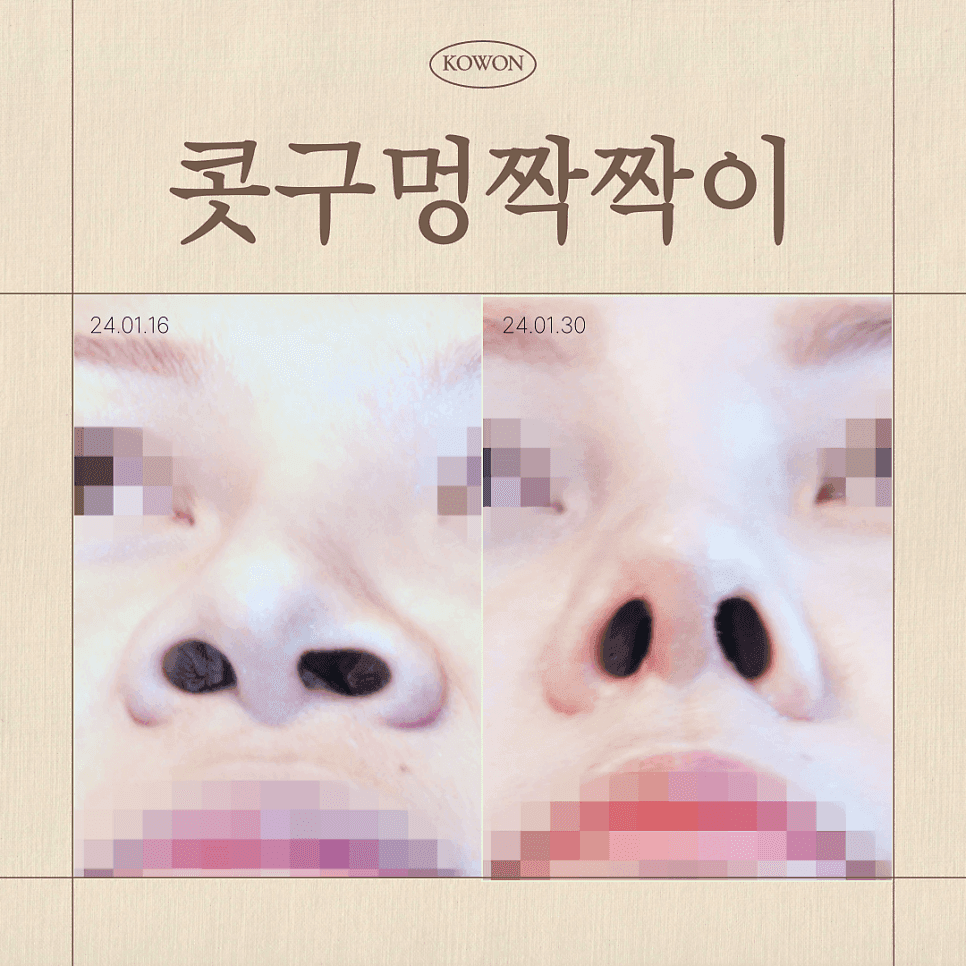
Key points
- Nostril asymmetry can look different with swelling, condition, camera angle, or expression — distinguish by timing before concluding correction.
- The criterion is timing — a change appearing within the last 2 weeks means observation; one persisting over a month means structural checking is needed.
- Long-persisting asymmetry requires looking not only at nostril size but at the structure supporting the tip and the balance of the bridge's central axis together.
Have you ever re-shot photos at different angles because one nostril alone seemed to look bigger every time? It looks fine in the mirror, yet the same side keeps bothering you in photos — leaving you confused whether it's true unevenness or just sensitivity.
Nostril asymmetry can look different by viewing angle or expression, so judging for yourself whether an actual difference exists is often hard. This article organizes why nostrils appear different in size and angle, and when to watch progress versus when to check the structure.
01
If the nostril shape suddenly looks different, should correction be considered right away?
No. Temporary condition effects or swelling can also create nostril asymmetry. So rather than jumping to correction, progress should be carefully observed before drawing conclusions.
From what Dr. Hyung-taek Kim has organized over 20+ years focusing on noses, hastily concluding correction can instead become an unnecessary choice. So it's necessary to organize first from when and at which angle the concerning phenomenon stands out.
| Situation | Judgment |
|---|---|
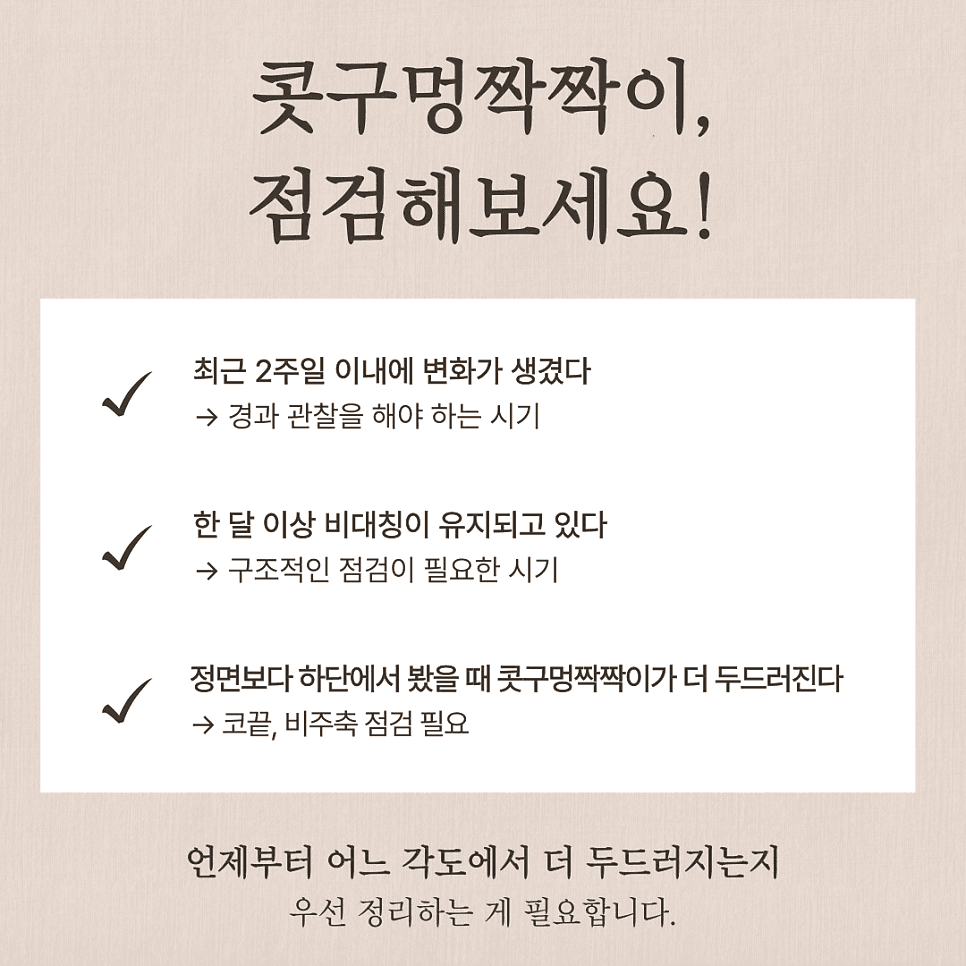
| A change appeared within the last 2 weeks | Time to observe progress |
| Asymmetry has held over a month | Time when structural checking is needed |
| It stands out more from below than frontally | Tip·columella-axis checking needed |
02
Why do nostrils look different in each photo?
While taking selfies, the nostril difference can look severe then fine in turns. That's because it's greatly affected by camera angle, expression-muscle use, and left-right face rotation. Especially for people whose one mouth corner rises more when smiling, the tip's underside gets pulled up together — so the angle can look tilted.
In the following cases, observation and checking come before immediate correction.
- With no expression, there's almost no size·angle difference between the sides
- A particular expression changes one side's shape and size notably
- Looking in the mirror frontally shows little difference
03
If asymmetry stays over time, what gets checked?
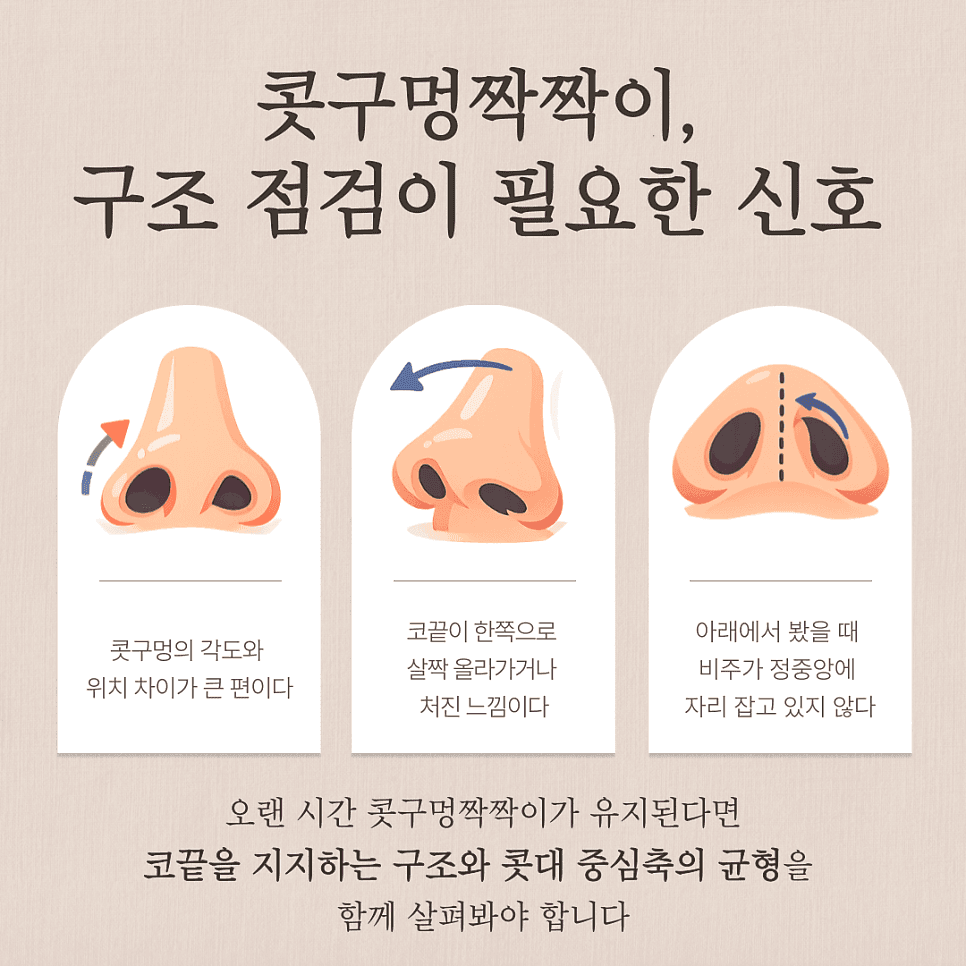
If nostril asymmetry holds a long time, don't focus on nostril size alone — look together at the structure supporting the tip and the balance of the bridge's central axis — that is, whether the nose's center tilts to one side.
Signals needing structural checks are as follows.
- The nostril angle·position difference is fairly large
- The tip feels slightly lifted or drooped to one side
- Viewed from below, the columella isn't centered
If one or more of the items above applies, internal-structure balance may need adjusting together — not just the tip.
04
How are bridge and tip balance adjusted together?
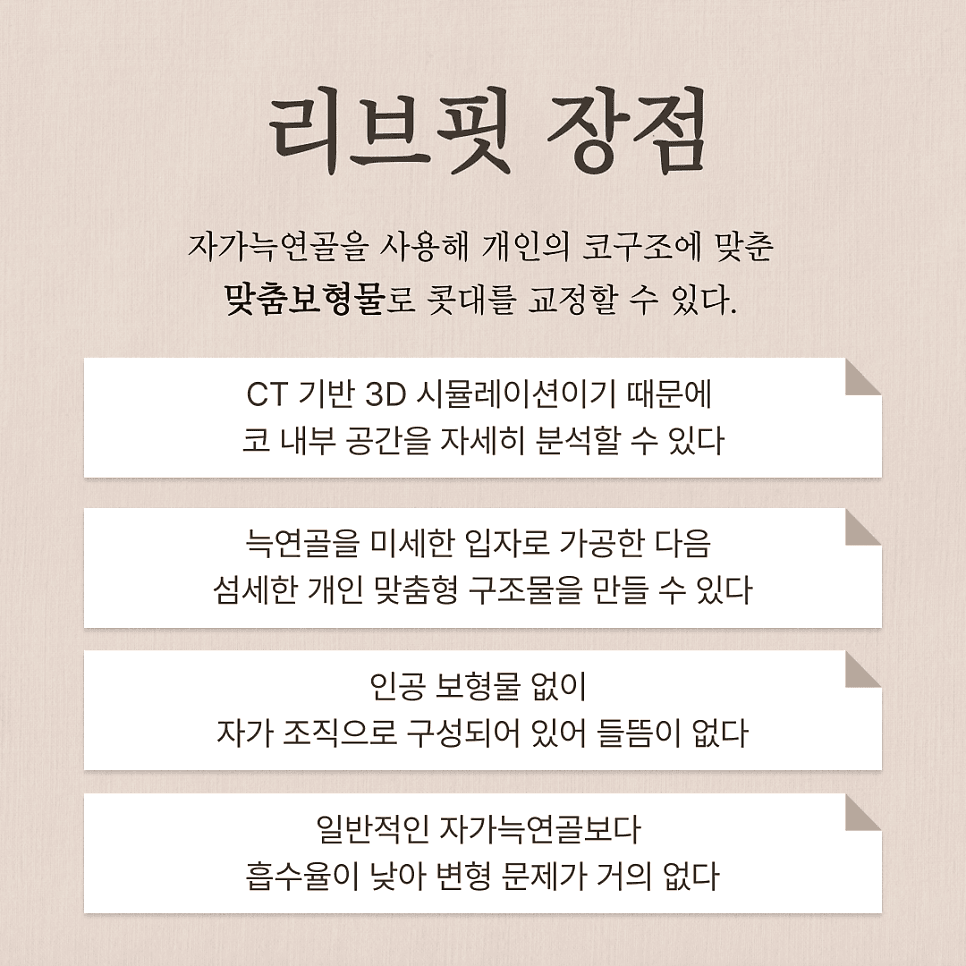
Nostril asymmetry requires checking whether the connected bridge and support structure balance together, rather than correcting the nostrils alone. Depending on the case, the bridge gets corrected using autologous rib cartilage matched to each person's nasal structure — and the RIBFIT™ method used then has the following features.
- CT-based 3D simulation enables detailed analysis of internal nasal space
- Rib cartilage processed into micro particles allows delicate custom structure fabrication
- Built from autologous tissue without artificial implants
RIBFIT™ views bridge and tip balance together in a way that supports the central axis without excessive pressure. Still, this approach isn't necessary in every case — in the clinic we carefully weigh first whether it's actually a situation it helps.
05
Are there items you can self-check before consultation?
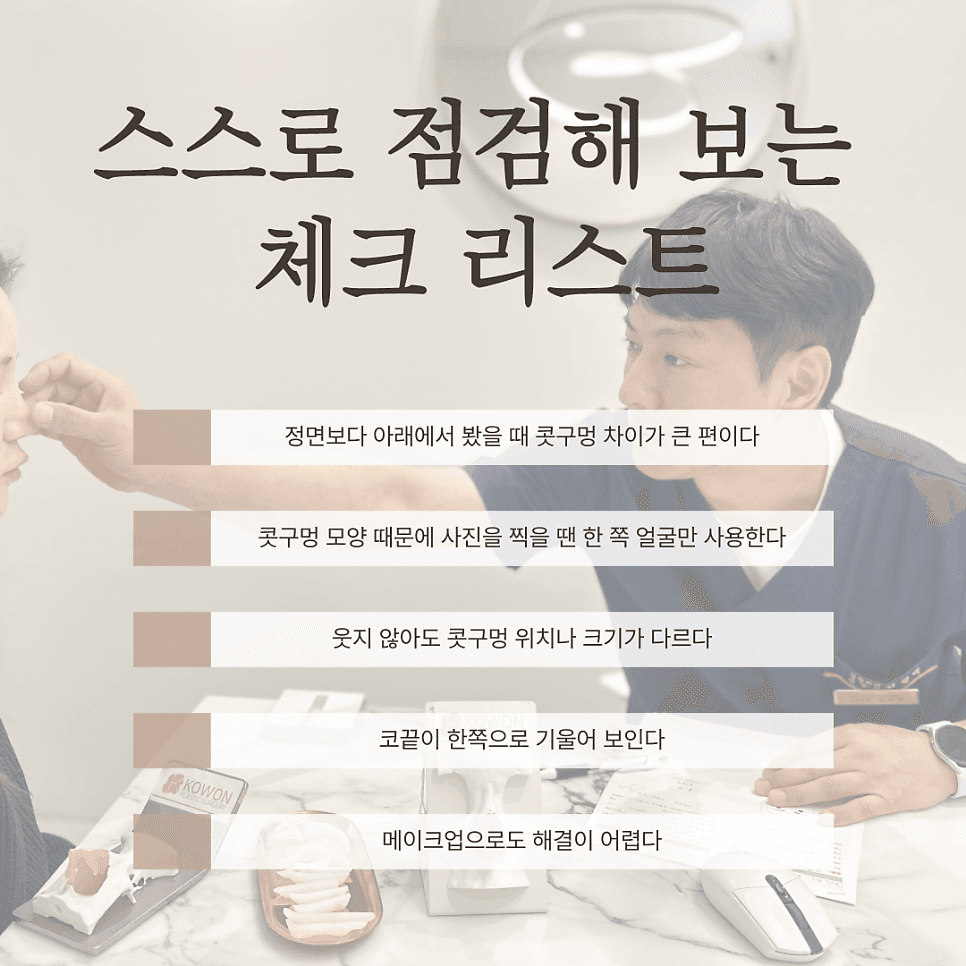
If you're weighing consultation over nostril asymmetry, check whether two or more of the items below apply. It's good to use the last 2–3 months as the criterion.
- 01The nostril difference is fairly large viewed from below versus frontally
- 02Because of nostril shape, you only use one side of your face in photos
- 03Nostril position or size differs even without smiling
- 04The tip looks tilted to one side
- 05Makeup can't solve it
06
Summary — distinguishing by timing first makes judging easier
To summarize today's content: nostril asymmetry can arise from simple swelling or condition changes, and if it only bothers you in photos while being fine otherwise, observation comes first. But if it stays asymmetric over a long time, an overall structural check is needed — and then not just the nostrils but the support structures of tip and bridge must be examined together.
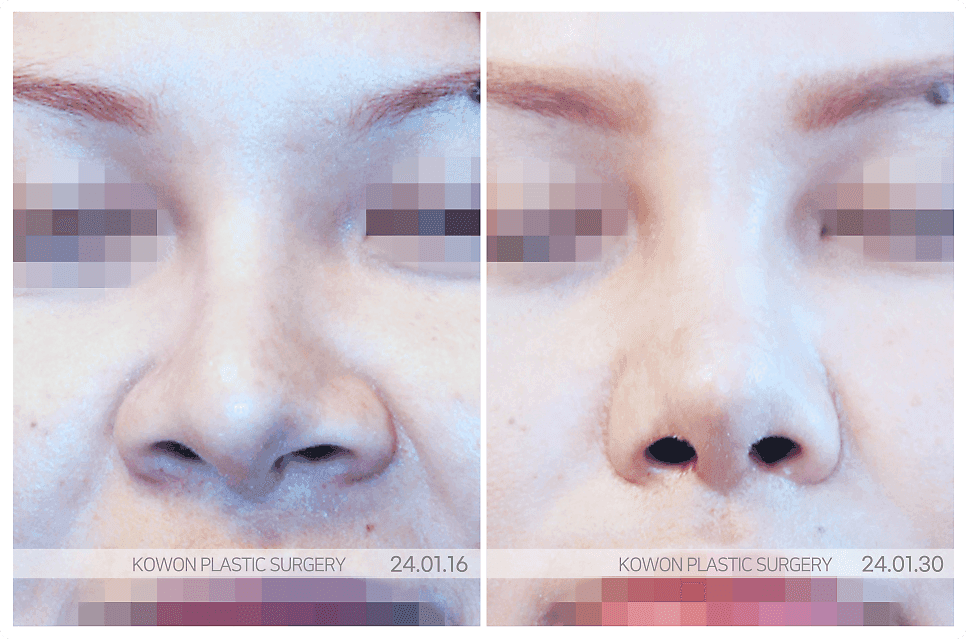
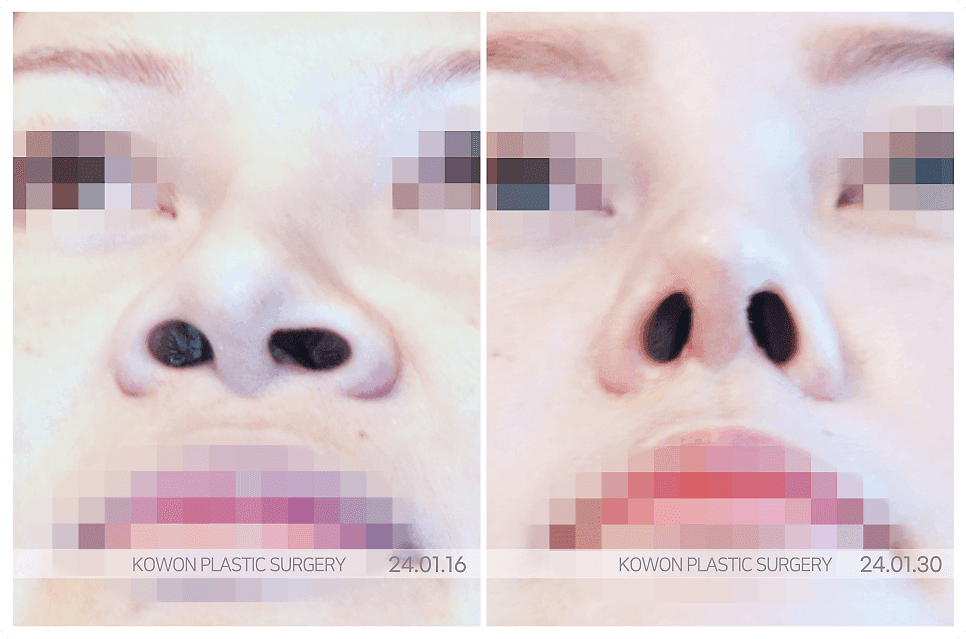
Nostril asymmetry isn't a problem that must be corrected. But the process of deliberating changes to one's appearance is never light — so organizing the available options and their limits together is the role we aim to fill in care. If curious about your nose's state, it can be checked directly in a 1:1 video consultation. Actual correction cases can be seen in before & after photos.
Frequently asked questions
Answers to common questions patients ask before a consultation.
It can arise from temporary condition effects or swelling. For a change within the last 2 weeks, observe progress first — and organizing from when and at which angle it stands out helps judgment.
It isn't a problem that must be corrected. If there's almost no difference with no expression or it only looks different under certain expressions, observation comes first. But if asymmetry holds over a month with structural signals like the columella off center, getting it checked is better.
The nostrils connect to the tip's support structure and the bridge's central axis. For long-held asymmetry, the correction scope gets decided after checking together whether the tip tilts and whether the bridge's center leans to one side — not just nostril size.
Responses to treatment and recovery progress vary by individual. Outcomes and side effects vary from person to person. Bleeding, infection, swelling and asymmetry may occur. Please consult our medical team before making a decision.
Consultation