
KOWON Blog
Nose thread lifting — why removal is harder than insertion: side effects and what to check before deciding
Nose thread lifting (HiKo·Banco·Misko) is harder to remove than insert due to the threads' barbed structure and tissue adhesion. Symptoms needing a removal consult, why threads aren't pulled one by one, and questions to check before deciding.
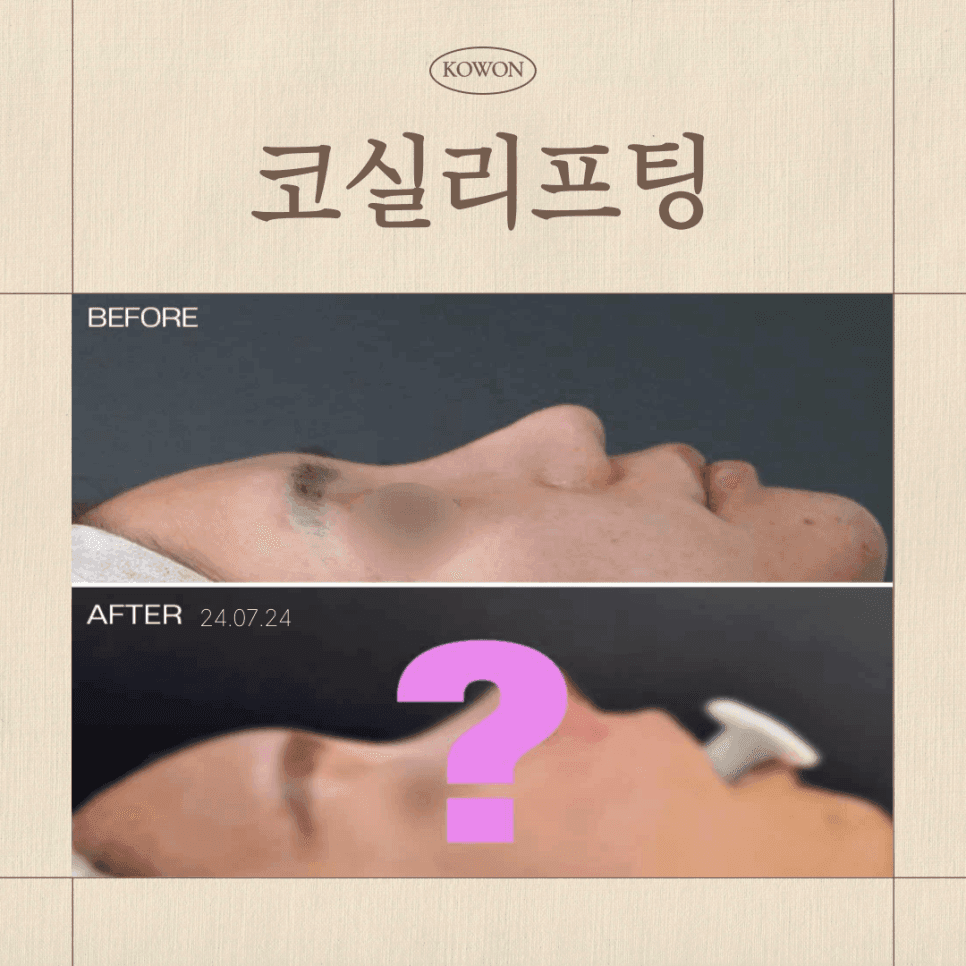
Key points
- What makes nose thread-lift removal hard is the threads' hook-shaped barb structure and tissue adhesion — even with the thread body removed, some barbs can remain in tissue.
- Thread exposure·inflammation·long-lasting swelling and pain·asymmetric shape change are states needing a check.
- If weighing the procedure, more important than longevity·cost is hearing how removal would proceed before deciding.
There's something I often say in nose thread-lift consults: 'Plenty of places insert them easily — why is there nowhere that removes them easily?'
Many people weigh nose thread lifting, but few decide after hearing the removal explanation too. Having done nose surgery and revision for a long time, I actually meet removal consults more often.
This article organizes why removal can matter more than insertion for nose thread lifting.
01
Why do we view nose thread lifting cautiously?
We currently don't perform nose thread-lift procedures. Still, people keep coming — weighing removal after HiKo, Banco, Misko, etc., or seeking revision rhinoplasty.
In consults there's a common thread: when deciding on the procedure, people focus on how threads get inserted — but haven't fully considered the situation where removal becomes needed. So whenever thread lifting comes up, I explain removal before the procedure.
02
Are HiKo·Banco·Misko different procedures?
Different names, same structure. HiKo, Banco, Misko are all procedures building nose shape using medical threads. Threads and methods differ somewhat, but the basic principle is similar.
What matters isn't the procedure's name but which material gets used — and how a removal-needing situation can be handled if it arises.
03
Why is insertion easy but removal hard?
What makes nose thread-lift removal hard is the threads' barb structure and tissue adhesion.
Threads carry microscopic hook-shaped barbs. These grip tissue to hold the shape — but over time, adhesions form between thread and tissue. In that state, simple pulling can't remove them.
Even with the thread body removed, some barbs can remain in tissue — and forced removal can affect surrounding tissue. So the removal process for thread lifting is often more complex than the procedure itself. What gets checked in thread removal can be seen in detail in the thread removal procedure guide.
Then there are harder removal consults — patients arriving without knowing which threads were used. Actual removal has revealed more threads than expected, or cases where filler was used together. Since insertion methods differ per clinic, first confirming the current nose state and materials used matters.
04
Which symptoms warrant a removal consult?
Thread lifts sometimes hold without particular problems — but the symptoms below need checking.
- Thread exposed through the skin
- Inflammation or pus occurred
- Swelling or pain persisting long
- Nose shape turned asymmetric
Thread exposure and inflammation especially are among the cases we most often see in removal consults.
05
Why don't we pull threads one by one?
Early on, we did try removing threads one by one. But through repeated removal experience, the one-by-one method got dropped for the following reasons.
- 01To reduce barb sections remaining
- 02To verify the existing nose structure
- 03To reduce skin-surface change
Of course, the removal method can vary by thread type used and current state. What gets checked when removal leads into revision rhinoplasty can be seen in the revision guide.
06
What should you check before nose thread lifting?
If weighing the procedure, checking the following together is advisable.
- Which threads get used
- How removal proceeds if needed
- Whether filler gets used together
- Whether it affects future nose-surgery plans
Many people check longevity or cost first — but what matters is deciding after hearing the explanation through to the removal-needing scenario.
07
Summary — decide with removal in mind
A procedure placing foreign material in the nose should be decided while considering the removal scenario as much as the insertion. At consult, we recommend also asking 'if removal becomes needed, how does it proceed?' It's not too late to decide after hearing that explanation fully.
If something worries you after nose thread lifting, or you're weighing thread removal·revision, please first confirm your current nose state accurately in a 1:1 video consultation. The first step in deciding direction starts with properly understanding the current state.
Frequently asked questions
Answers to common questions patients ask before a consultation.
If a thread poked out, don't touch or cut it yourself — get examined quickly. Judging removal after checking thread type and exposure location reduces tissue irritation.
Irritating tissue while threads remain can repeat inflammation or widen its extent. Better to first confirm the current state, then set a treatment direction.
Threads can absorb, but inflammation or thread-exposure problems don't disappear with them. If symptoms exist, confirmation comes first.
Responses to treatment and recovery progress vary by individual. Outcomes and side effects vary from person to person. Bleeding, infection, swelling and asymmetry may occur. Please consult our medical team before making a decision.
Consultation