
KOWON Blog
Compresses after nose surgery — when cold, when warm? Recovery-period care method
Why compresses switch from cold right after surgery to warm from day 3~4, safe compress methods, and lifestyle habits helping swelling management like posture and walks — organized.
Key points
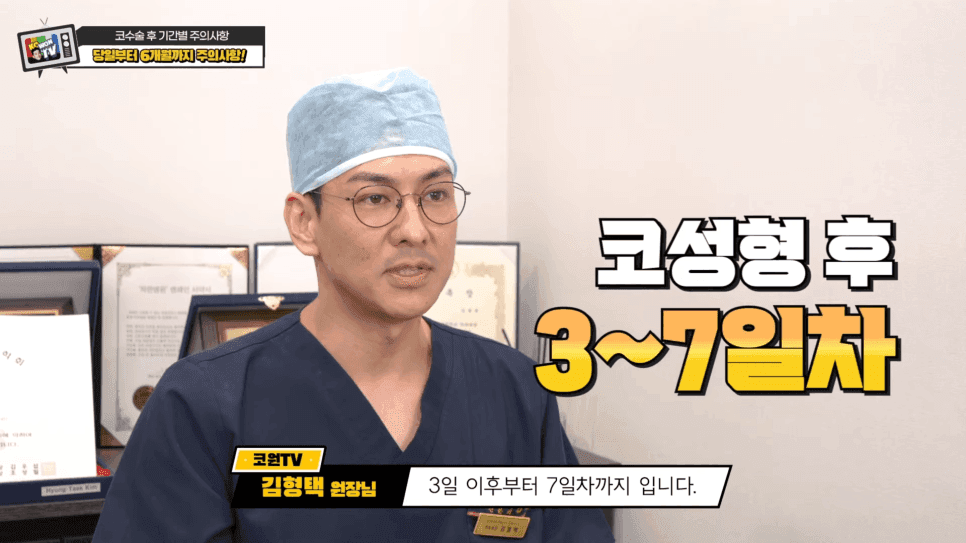
- During the period when bruising and swelling concentrate right after surgery, use cold compresses — from day 3~4 after surgery, switch to warm compresses for swelling reduction.
- Warm compresses go at a temperature feeling warm to the touch — using a compress pack wrapped in a towel is safer than a direct heat device.
- Beyond compresses, an upright upper-body posture and light walks — lifestyle habits — affect swelling management.
One of the most-asked items in post-nose-surgery care is compresses. Post-rhinoplasty care affects not only recovery speed — it can also make a difference in the result's stability and satisfaction.
This article organizes when and how to do compresses during recovery after nose surgery, plus lifestyle habits worth practicing.
01
From when, and how, do I compress?
Right after surgery, cold compresses; from day 3~4 after surgery, switch to warm compresses.
| Period | Compress | Reason |
|---|---|---|
| Right after surgery | Cold-compress focused | Period when bruising and swelling concentrate |
| From day 3~4 post-surgery | Switch to warm compresses | Management stage for swelling reduction |
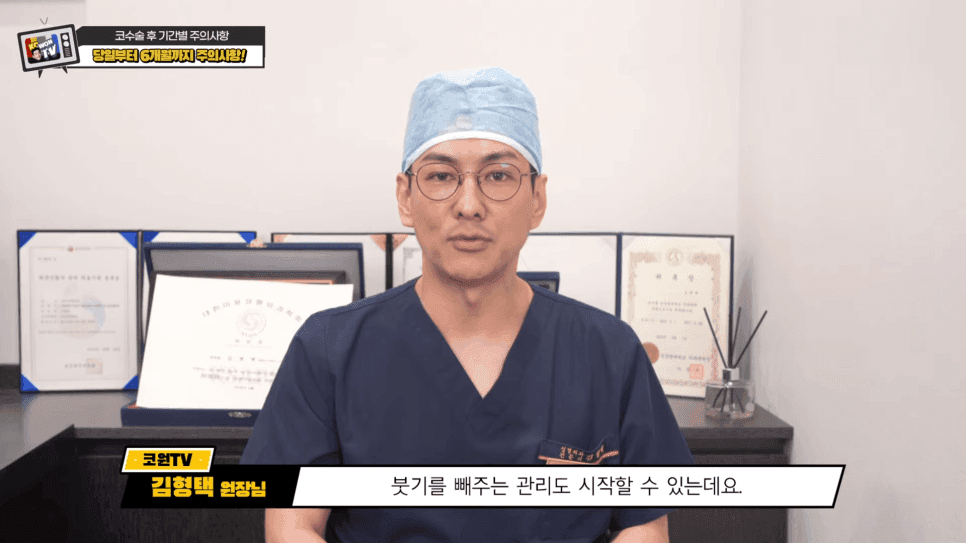
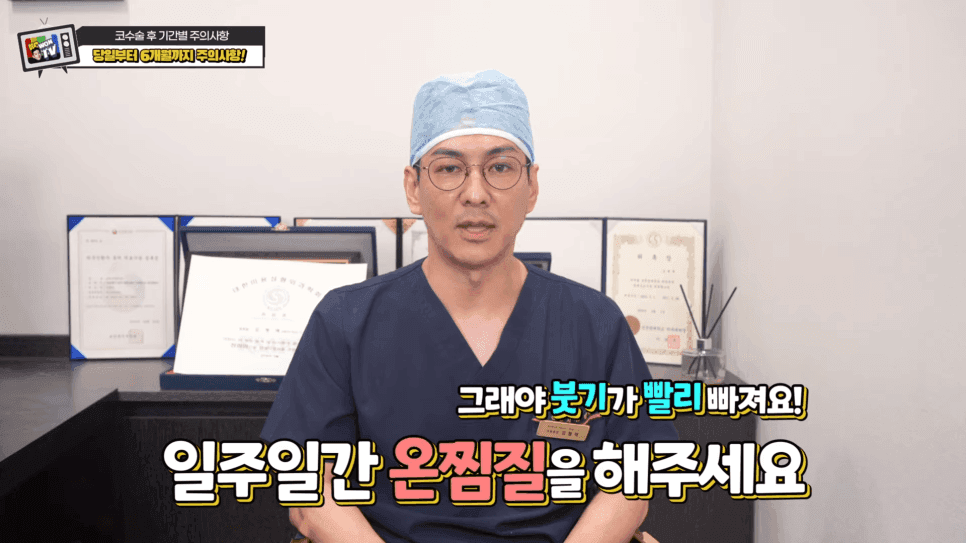
From 3~4 days after surgery, applying warm compresses instead of cold is desirable. Warm compresses promote blood circulation around the surgery site, easing fluid retention and helping reduce swelling. As blood flow smooths, tissue recovery speeds up — and bruising or residual swelling also gradually fades.
Note: excessively high temperature can irritate tissue. Proceed at a temperature feeling warm — using a compress pack wrapped in a towel is safer than a direct heat device.
02
Any lifestyle habits helping recovery besides compresses?
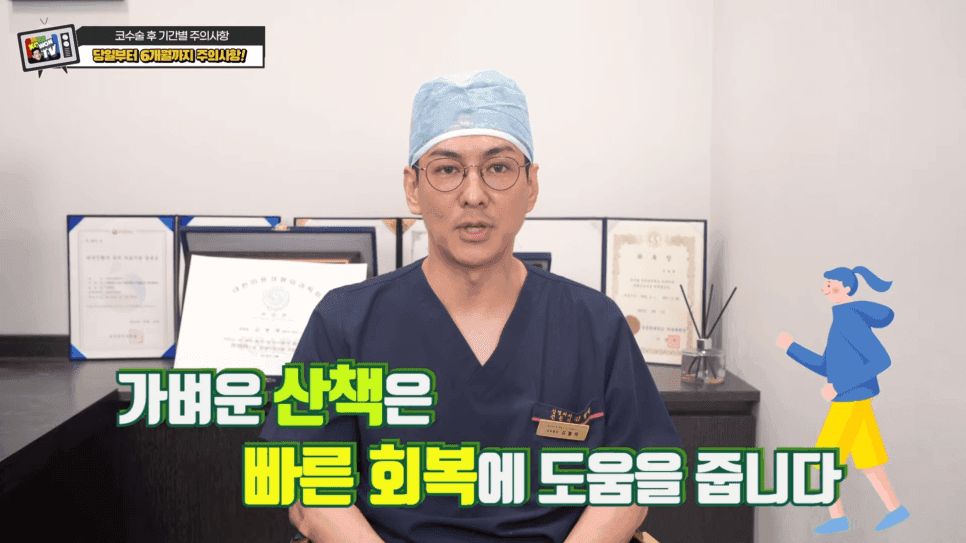
- 01Light walks·indoor activity — if time allows, pairing light walks or indoor activity helps. Rather than lying long just because you had surgery, keeping a seated posture and moving lightly is more effective for swelling management.
- 02Upright upper-body posture — a lying posture concentrates blood flow to the face, which can make swelling persist longer. When resting, sitting or leaning with the upper body slightly upright is ideal. This posture alone can positively affect swelling reduction and recovery speed.
Once in the recovery period, rather than expecting recovery by compresses alone, effort managing overall lifestyle habits should accompany. Trivial-looking parts like compresses, posture, activity can actually make a non-trivial difference in recovery quality and surgery result. The overall stage-by-stage recovery process can be seen in more detail in the recovery guide.
03
Summary — care matters as much as surgery
Rhinoplasty is decided not by the surgery itself alone — the care afterward plays a large role in the whole result. Accurately practicing the care needed per stage, and pacing the return to routine without overdoing, is the point raising satisfaction.
If curious about a post-surgery care plan, guidance fitting your state can be received in a 1:1 video consultation.
Frequently asked questions
Answers to common questions patients ask before a consultation.
During the period when bruising and swelling concentrate right after surgery, cold compresses are the focus; from 3~4 days after surgery, switch to a swelling-reduction management stage and apply warm compresses — that's desirable.
Excessively high temperature can irritate tissue. Proceed at a temperature feeling warm — using a compress pack wrapped in a towel is safer than a direct heat device.
A long-lying posture concentrates blood flow to the face, which can make swelling persist longer. Sitting or leaning with the upper body slightly upright is ideal — and if there's room, pairing light walks or indoor activity helps.
Responses to treatment and recovery progress vary by individual. Outcomes and side effects vary from person to person. Bleeding, infection, swelling and asymmetry may occur. Please consult our medical team before making a decision.
Consultation