
KOWON Blog
The jikban line (semi-upturned nose) — why is naturalness decided in design? Bridge, tip, nasolabial angle
The jikban line (semi-upturned nose) is a form where the dorsum runs smooth and the tip drops softly. Why raising the bridge alone isn't enough, why the nasolabial angle gets calculated together, and material selection through the RIBFIT™ approach — organized.
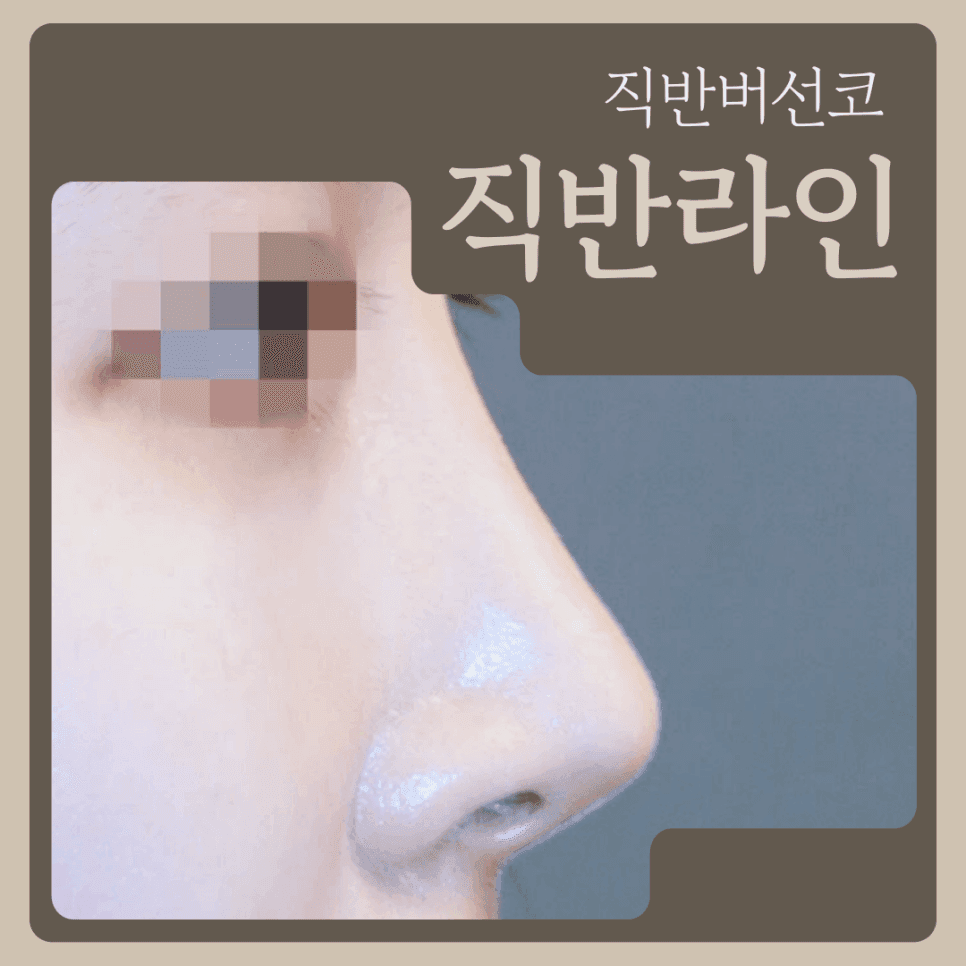
Key points
- The jikban line — also called the semi-upturned nose — is a shape where the line runs smooth to the dorsum, then drops softly at the tip — the core is the balance point between straightness and softness.
- Raising the bridge high alone doesn't complete it — the nasolabial angle, the angle among tip, philtrum, and lip, must be calculated together.
- Material matters as much as design — the RIBFIT™ approach, using autologous rib cartilage at the tip and a custom autologous rib-particle implant at the bridge, gets utilized.
"My low nose bothers me — raising the bridge should do it, right?" "My bridge is a straight line, so my impression looks too strong."
The nose occupies a share of the face large enough to sway the whole impression. So a person's atmosphere can differ by how the nasal line is shaped. Many prefer a slim, defined yet soft atmosphere — wanting naturalness too without excessive sharpness. What's recommended then is the jikban line.
This article organizes what the jikban line looks like, and what must be considered to bring the line out.
01
What does the jikban line look like?
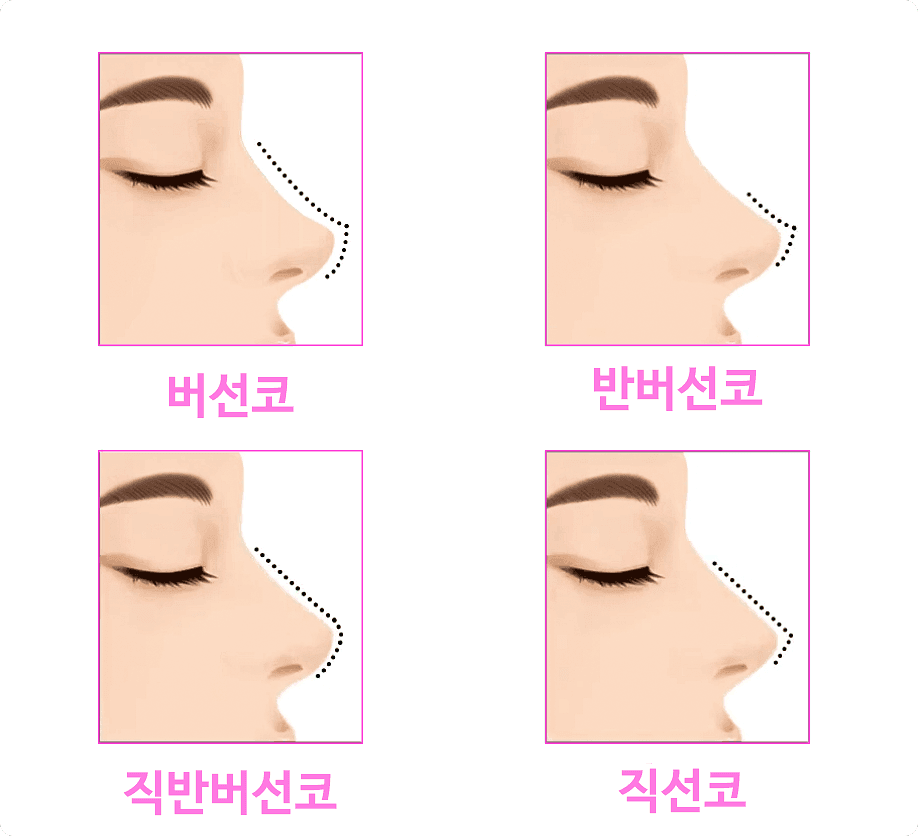
The jikban line — a form often also called the semi-upturned nose — is a shape where the line runs smooth to the dorsum, then drops softly at the tip.
This design's two elements have divided roles. A straight bridge creates a defined, vivid impression, while a naturally continuing tip creates an overall soft atmosphere. The point to note is ultimately harmony — finding the balance point between straightness and softness to produce a refined design is the core, so design gets tuned closely from the consultation stage.
02
Isn't raising the bridge enough?
The jikban line's point is harmony between bridge and tip. In other words, blindly raising the bridge high doesn't finish it. And one more thing gets considered — an angle called the nasolabial angle.
| Check element | What gets looked at |
|---|---|
| Bridge | Straight line — a defined, vivid impression |
| Tip | A drop continuing softly from the bridge |
| Nasolabial angle | The angle among tip, philtrum & lip — mouth protrusion feel & midface proportion |
The nasolabial angle means the angle among the tip, philtrum, and lip. If this angle becomes too small, the mouth looks relatively protruding even at the same nasal height — the face itself looks flatter and the midface longer. So nasal design proceeds calculating the nasolabial angle together.
03
Through what process does design get confirmed?
The jikban line isn't a fixed shape laid on top — it's a line designed to fit the face. So planning happens considering the overall face shape and even the features.
- 01Listening — from the consultation stage, which shape and atmosphere you've wanted gets confirmed.
- 02Virtual simulation — after photographing directly, virtual simulation runs so you can see how you'd look after surgery before deciding.
- 03Operating surgeon — based on the custom design, surgery proceeds with a single director operating.
Those too busy to visit can use the 1:1 video consultation center — from preliminary diagnosis to concrete consultation proceeds by video call at a convenient time.
04
Why does material matter — the RIBFIT™ approach
To build a natural, soft jikban line, there's something as important as design — the implant.
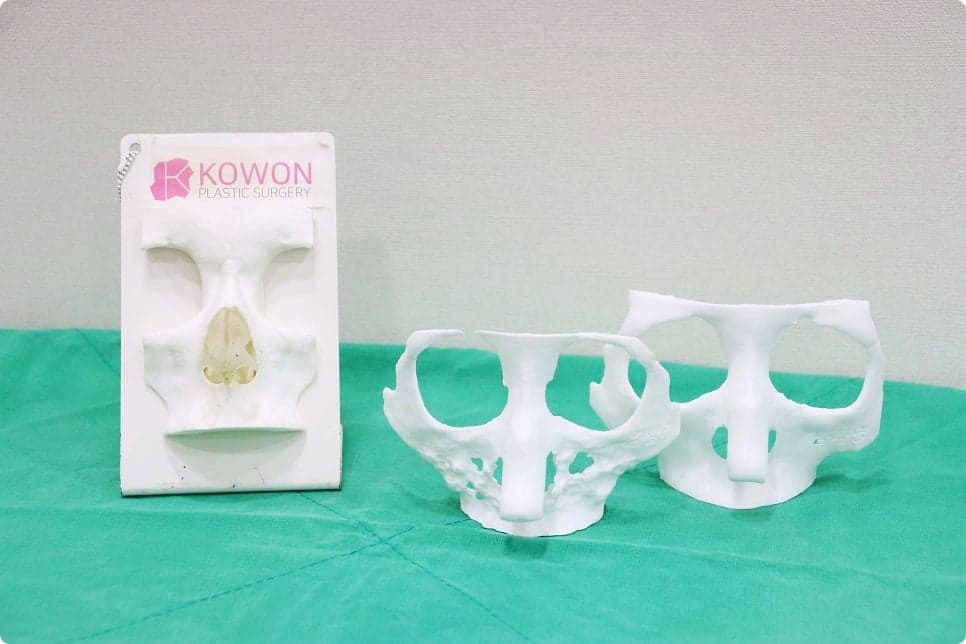
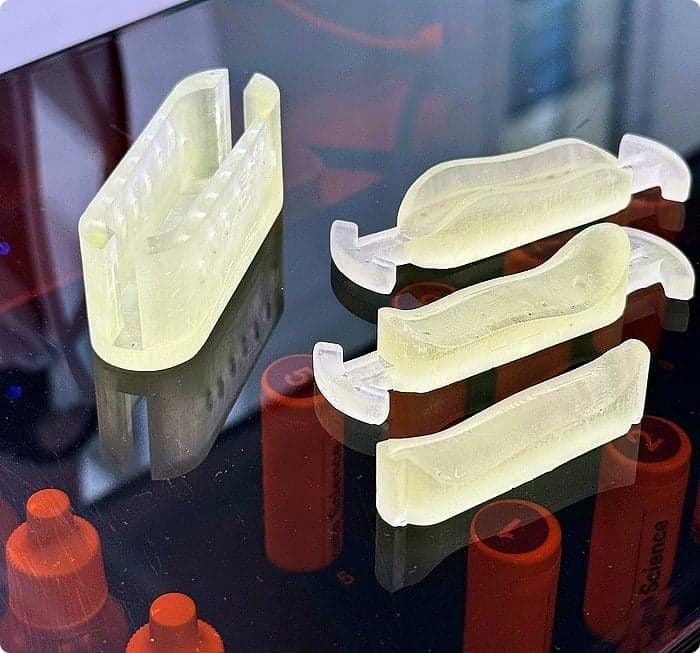
There's a method that harvests autologous rib cartilage instead of an artificial implant like silicone and fabricates a custom implant for use. It's the RIBFIT™ approach — autologous rib cartilage at the tip, a custom autologous rib-particle implant at the bridge. The custom rib-particle implant is made by processing rib cartilage into fine particles, then compressing them into a form fitting the nasal structure — a method compensating for the irregular shape that can occur when rib cartilage is ground and used as-is. Being a custom implant made into a form similar to silicone, it's favorable for forming a sharp, delicate line. The burden of putting an artificial implant in the body can also be reduced. Details on the material can be seen in the autologous rib cartilage procedure guide.
05
Summary — not a fixed shape but a design fitting you
The jikban line's naturalness isn't decided by bridge height alone. The balance of a straight bridge and a soft tip, angle calculation including the nasolabial angle, and selection of a material backing the line must fit together. Since the nose occupying the face's center lives or dies by overall harmony, finding a design fitting you rather than a fixed shape matters.
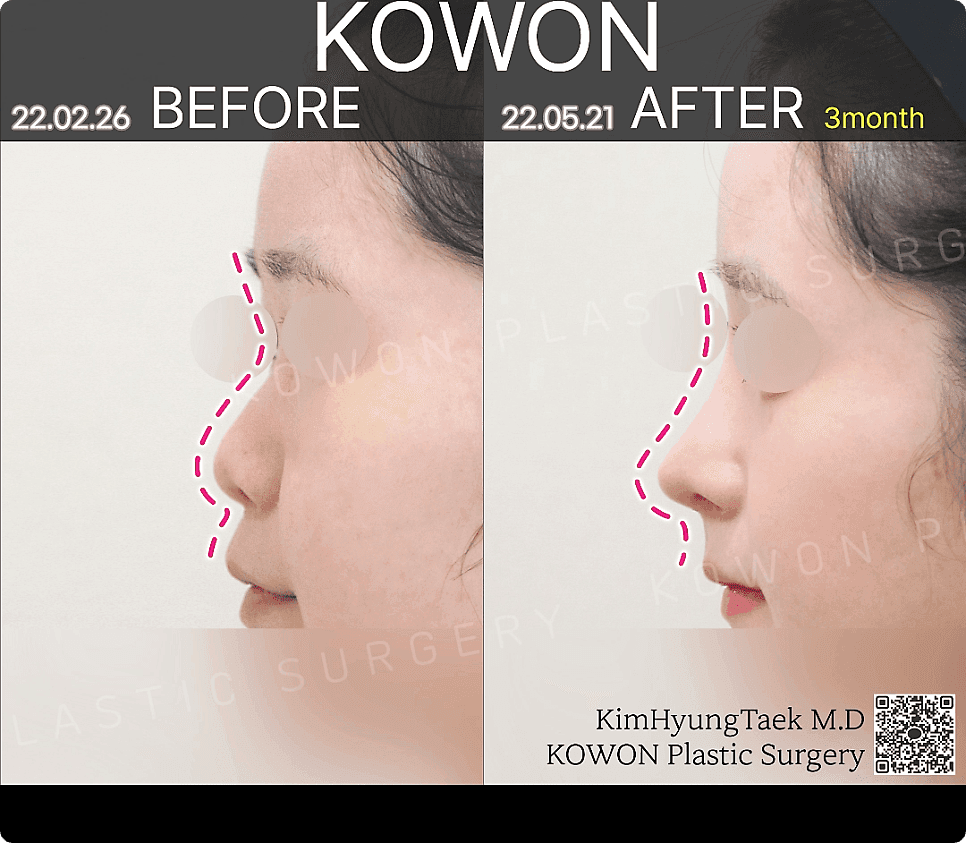
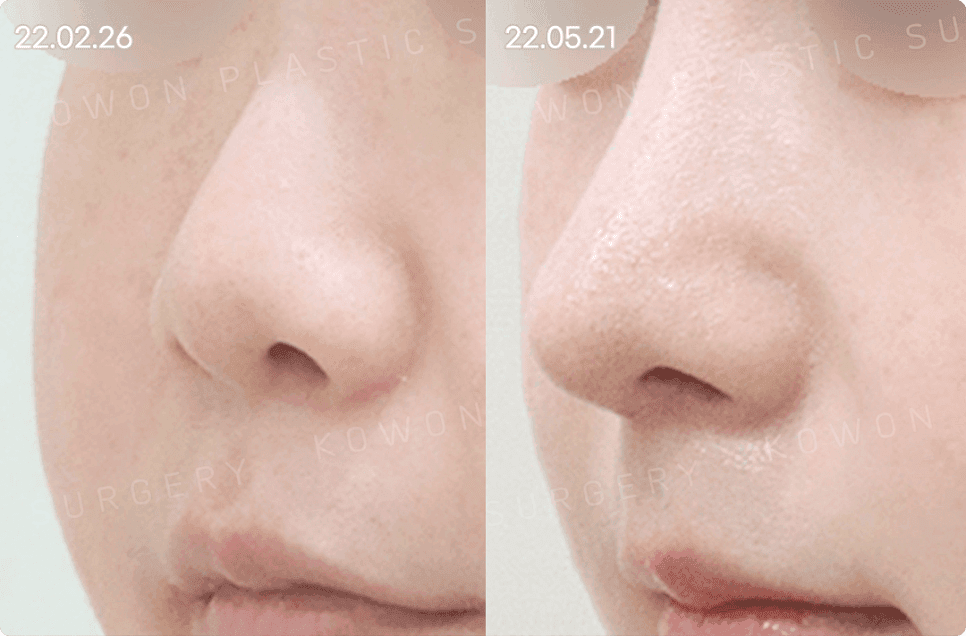
If you're curious about a jikban line fitting your face, it can be previewed through virtual simulation in a 1:1 video consultation. Actual cases can be seen in the before & after photos.
Frequently asked questions
Answers to common questions patients ask before a consultation.
The jikban line runs smooth and straight to the dorsum, then drops softly at the tip. A bridge continuing only as a straight line can give a strong impression — with the tip's soft drop added, the atmosphere becomes defined yet soft.
The nasolabial angle is the angle among tip, philtrum, and lip. If it's too small, the mouth looks protruding even at the same nasal height — the face looks flatter and the midface longer. It's a part easy to miss when designing by the nose alone, so it gets calculated together.
At consultation, photos get taken directly then virtual simulation runs — helping you see how you'd look after surgery before deciding. If visiting is difficult, a 1:1 video consultation can start from preliminary diagnosis.
Responses to treatment and recovery progress vary by individual. Outcomes and side effects vary from person to person. Bleeding, infection, swelling and asymmetry may occur. Please consult our medical team before making a decision.
Consultation