
KOWON Blog
Is there a specific nose type suited for implant-free rhinoplasty? — three materials and structural analysis criteria
Implant-free rhinoplasty raising the bridge without silicone — three bridge materials (artificial implant, autologous dermis, autologous cartilage), the difference between conventional autologous rib block technique and RIBFIT™ (fine particles + 3D design), who considers it, and criteria for choosing a clinic.
Key points
- Bridge-raising materials fall into three categories: artificial implants (silicone etc.), autologous dermis, autologous cartilage — implant-free rhinoplasty builds the bridge with autologous tissue.
- But it doesn't apply identically to every nose — suitability can differ by skin thickness, nasal bone height, and desired change range.
- The important question isn't "is implant-free good" but "is it possible on my nasal structure" — structural analysis comes first.
"Silicone worries me a bit — can implant-free rhinoplasty still raise my bridge?"
The question heard most often in consultations lately. In the past, using silicone was the natural choice for raising the bridge, but these days many people look into implant-free rhinoplasty from the start — worried about artificial-implant side effects, burdened by foreign-body sensation, or preferring a natural line.
This article organizes what criteria to use when considering implant-free rhinoplasty.
01
Is implant-free rhinoplasty really possible?
Bridge-raising methods fall into three broad categories.
- 01Artificial implants — silicone etc. Easy to shape precisely, but some people feel psychological burden from the artificial material.
- 02Autologous dermis — an approach using your own tissue.
- 03Autologous cartilage — an approach using your own cartilage.
Implant-free rhinoplasty is the approach among these that builds the bridge with autologous tissue. But it doesn't apply identically to every nose. Suitability can differ by skin thickness, nasal bone height, and desired change range.
So what matters isn't "implant-free is good" but "is it possible on my nasal structure".
02
How is RIBFIT™ different from conventional autologous rib cartilage methods?
Some people think "isn't autologous rib cartilage all the same method?" Autologous rib cartilage itself has the advantages of good support and low inflammation burden. But the conventional approach used cartilage in block form, which had limits.
| Category | Conventional autologous rib (block) | RIBFIT™ (autologous rib-particle implant) |
|---|---|---|
| Material | Autologous rib cartilage | Autologous rib cartilage (same) |
| Form | Carved as a block | Processed into fine particles |
| Design | Often decided during surgery | Compressed into a pre-designed 3D mold |
| Considerations | Warping possible depending on processing; relies on surgeon's feel | Keeps the autologous-tissue base while designing form systematically |
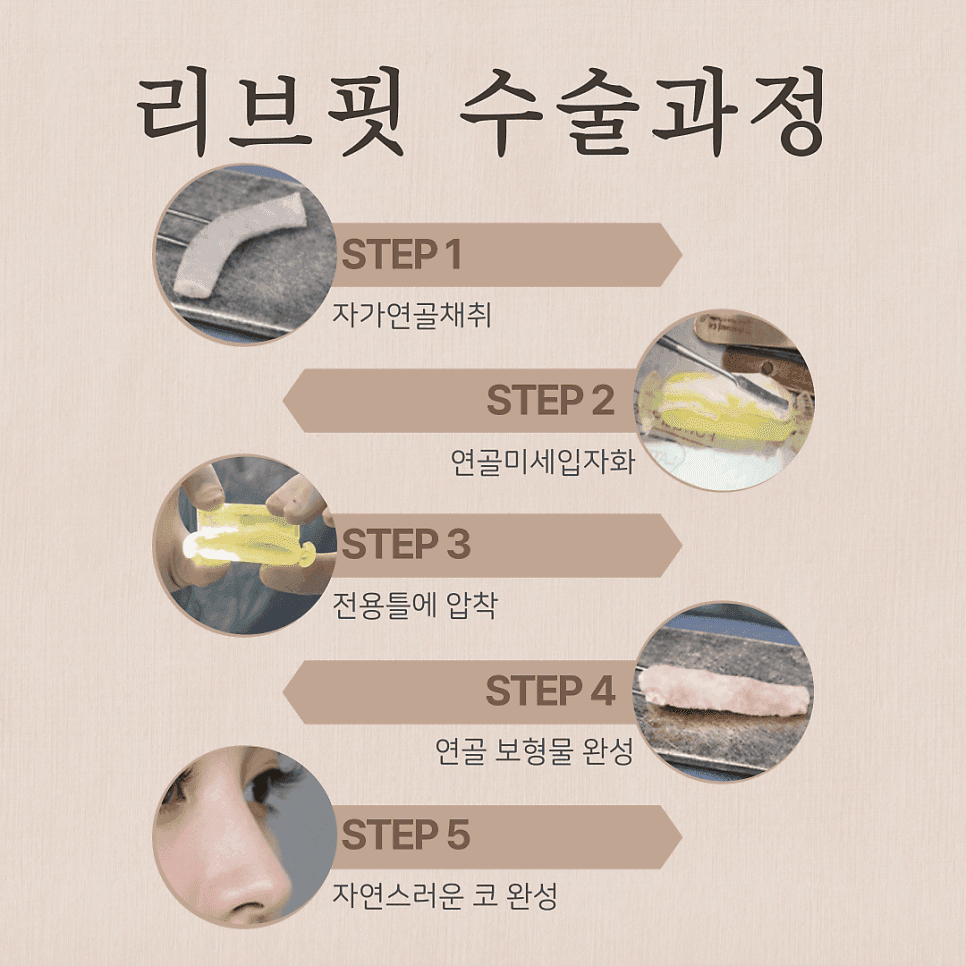
RIBFIT™'s core is four things — autologous rib cartilage use, fine-particle processing instead of block, maintaining the implant-free concept, and 3D-design-based fabrication. Instead of inserting cartilage as a block, it processes it into very fine particles, then compresses them inside a pre-designed 3D mold to realize the form. Detailed procedure content can be seen in the RIBFIT™ autologous rib cartilage guide.
Autologous rib cartilage harvest is performed under skilled technique, usually in about 15 minutes. Since autologous tissue is used, guidance aims toward lowering foreign-body sensation and inflammation burden — explained against the material's characteristics and structural differences rather than declaring outcomes.
03
Who considers implant-free rhinoplasty?
During consultations, these kinds of people come up often.
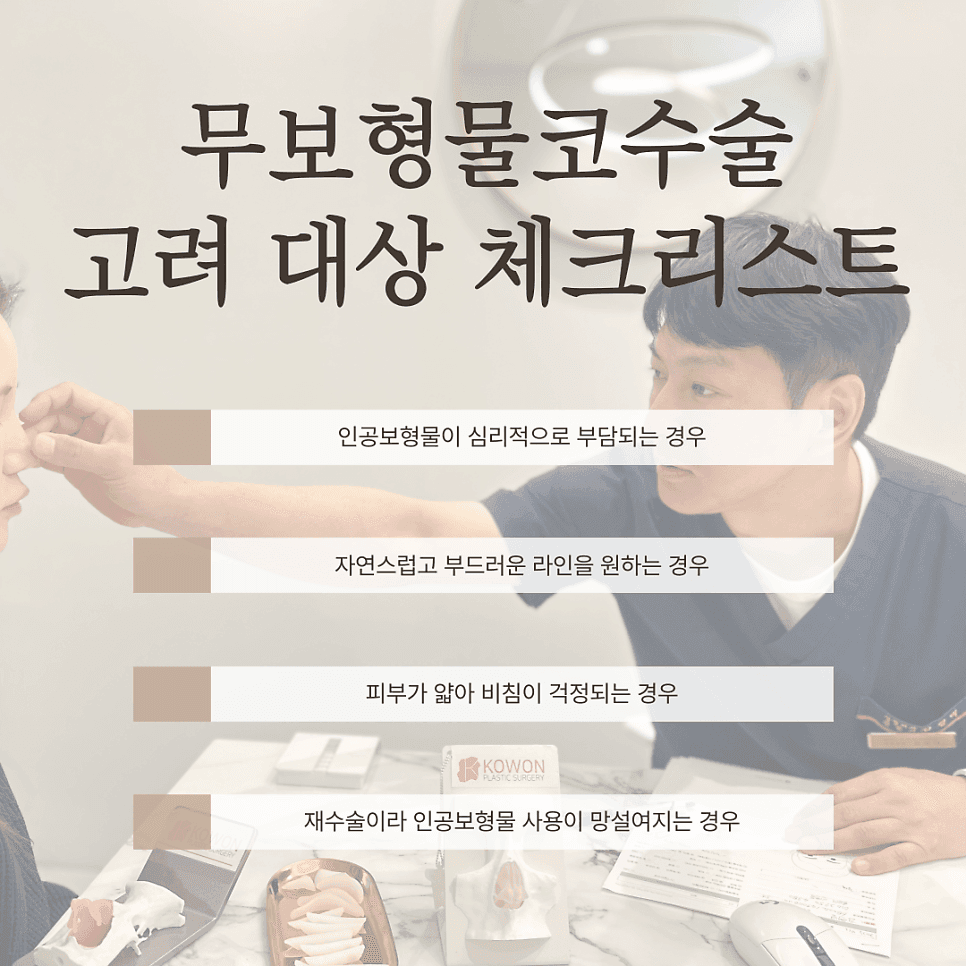
- When artificial implants feel psychologically burdensome
- When wanting a natural, soft line
- When thin skin raises show-through concerns
- When it's a revision and artificial implant use feels hesitant
Especially among women in their 20s–30s, many want atmosphere improvement rather than glamor. Still, when the bridge is quite low or the desired change range is large, material selection can differ — so in any case, structural analysis comes first.
04
What criteria should you use to compare clinics?
In implant-free rhinoplasty, design and structural understanding matter more than the material itself. Because even with the same autologous cartilage, result stability can differ by how it's analyzed and designed. When comparing, looking at these parts first is good.
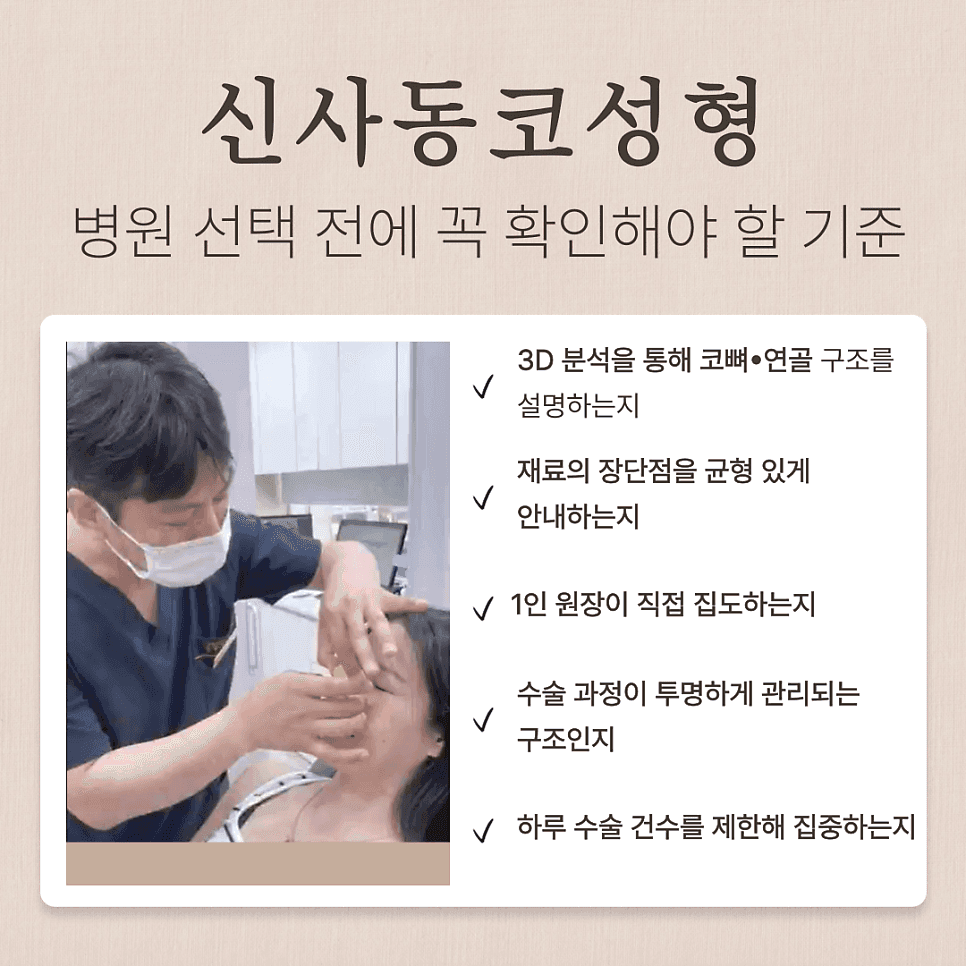
- 01Whether they explain nasal bone and cartilage structure through 3D analysis
- 02Whether they present material pros and cons in a balanced way
If you're comparing clinics, asking "which method suits my structure?" before "how high can you raise it?" is good.
05
Summary — structural analysis comes before materials
The reason people seek implant-free rhinoplasty is mostly concern about stability. RIBFIT™ is a 3D-designed autologous-tissue implant concept based on autologous rib cartilage — and whether implant-free is possible starts with structural analysis. If you're considering rhinoplasty, thinking "which material fits my nose" before "how high can it go" is good.
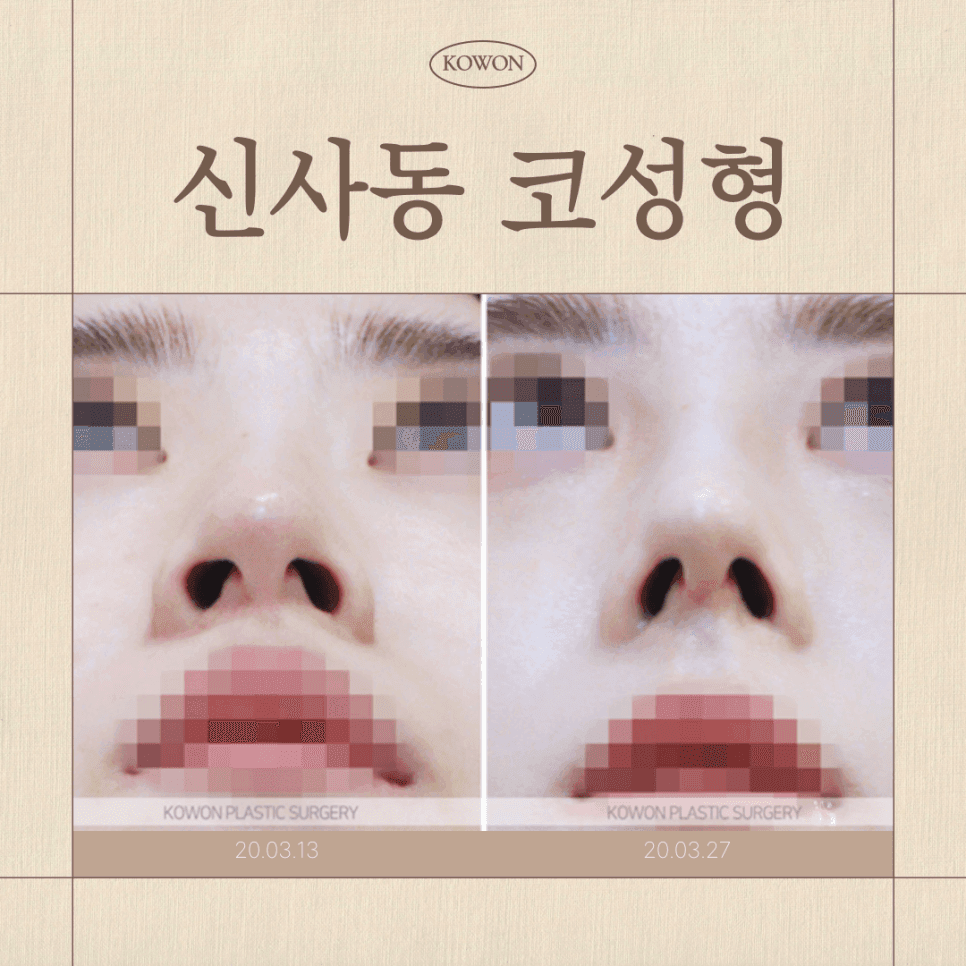
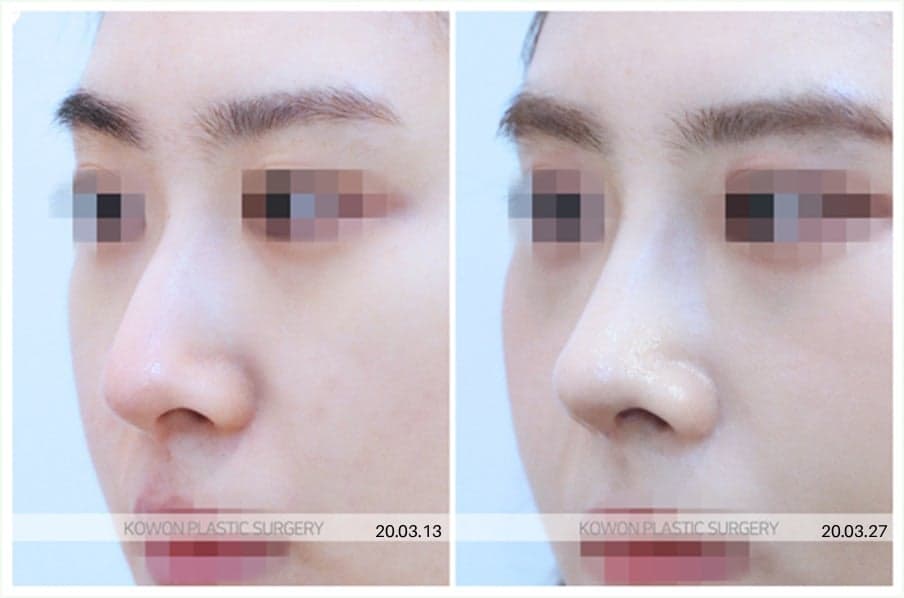
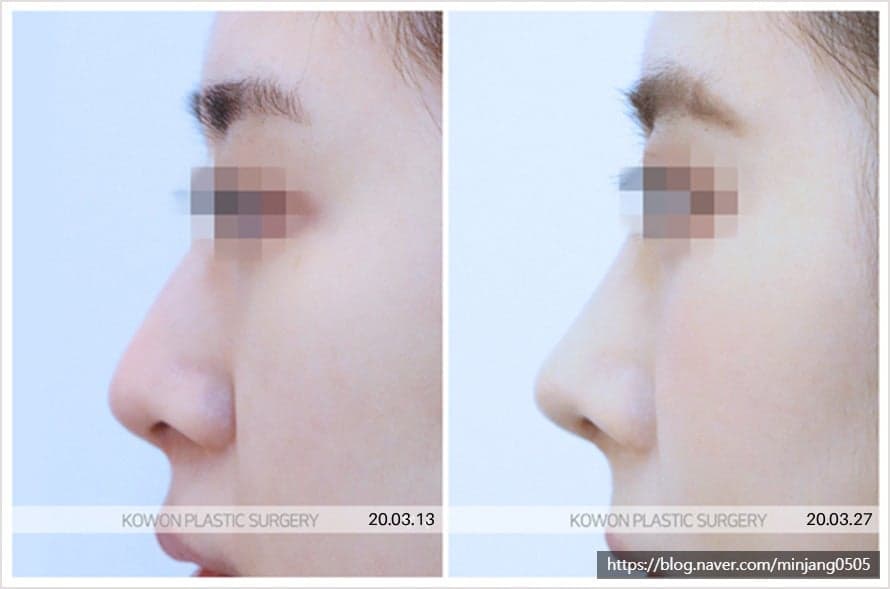
If you're curious whether implant-free is possible on your nasal structure, it can be checked in a 1:1 video consultation. Actual cases can be seen in the before & after photos.

Frequently asked questions
Answers to common questions patients ask before a consultation.
It doesn't apply identically to every nose. Suitability can differ by skin thickness, nasal bone height, and desired change range — and when the bridge is quite low or the change range is large, material selection can differ. Structural analysis comes first.
The material is the same but the usage differs. Conventionally, cartilage was used in block form — design was often decided during surgery, and warping potential plus reliance on surgeon feel were limits. RIBFIT™ processes cartilage into fine particles and compresses them into a pre-designed 3D mold — systematically designing form while keeping the autologous-tissue base.
No. Implant-free isn't the answer for every case. Silicone has the advantage of being easy to shape precisely, while autologous tissue is an option aimed at lowering foreign-body sensation and inflammation burden. Hearing a full material explanation and organizing the criteria fitting your nasal structure first is good.
Responses to treatment and recovery progress vary by individual. Outcomes and side effects vary from person to person. Bleeding, infection, swelling and asymmetry may occur. Please consult our medical team before making a decision.
Consultation