
KOWON Blog
Hump correction case — why threads and filler had to be removed first, and the 2-week progress
A case correcting a hump nose that had dissolvable threads and filler. Why threads and filler must be removed first before surgery, the order in which a narrow high hump, bent bridge, and lifted tip (nostril exposure) were checked, and what's seen at the 2-week mark.
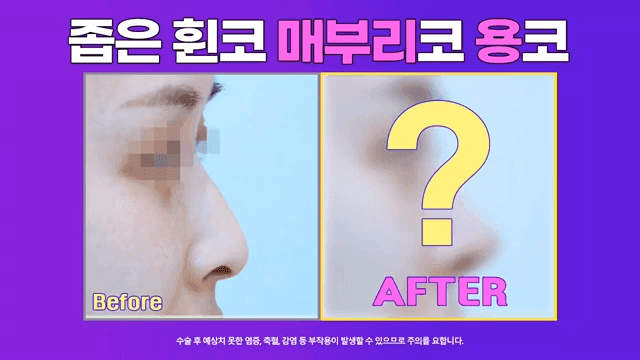
Key points
- A nose that had petite procedures like dissolvable threads or filler needs thread removal and filler dissolution first before surgery.
- This case combined a narrow, high hump with bridge deviation and a lifted tip (nostril exposure) — hump correction, tip elevation, spread-nostril correction, and glabella supplementation were planned at once.
- At 2 weeks, tip skin can be tight with remaining irritation, but it's a process where the skin gradually stretches and stabilizes — the result isn't judged by the immediate appearance alone.
"My nose is narrow and high with a hump, and my nostrils show a lot from the front."
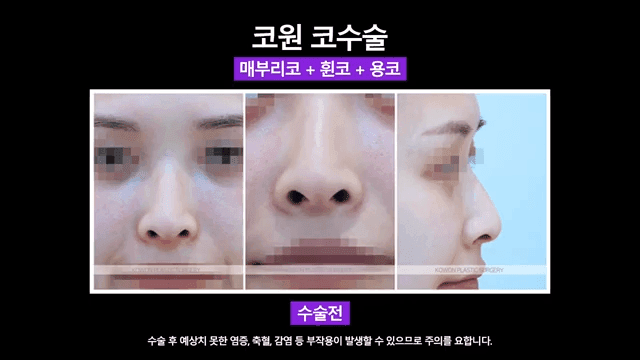
The patient introduced in this article is a woman who visited with this concern. She'd previously had petite procedures with dissolvable threads and filler, and said she wanted improvement toward a high nose even after having them removed. The hump sat narrow and high at mid-nose, the bridge was slightly bent, and the tip was lifted — nostrils easily visible from the front.
This article organizes what's checked first and in which order things proceed when correcting a hump nose with a petite-procedure history, and what's seen at the 2-week progress mark.
01
Why are threads and filler removed first before surgery?
This patient had previously received dissolvable threads and filler procedures before surgery. In such cases, the threads must be removed and the filler dissolved beforehand to perform nose surgery. In this case too, the remaining dissolvable threads and filler were removed first ahead of hump correction before surgery proceeded.
02
How was the pre-surgery state confirmed?
This patient's state and wishes confirmed in consultation were as follows.
| What was checked | Pre-surgery state |
|---|---|
| Bridge hump | A high, narrow hump at mid-nose — though not a severe degree |
| Bridge axis | The center not standing properly — slightly bent |
| Tip & nostrils | Tip lifted so nostrils show easily from the front, nostril shape also spread |
| Bridge height | Not on the low side — slightly narrow |
| Glabella | With a high bridge, the glabella part felt somewhat recessed |
The nose the patient wanted was a high, glamorous-looking nose. Rather than seeing only the hump because it's a hump nose, the correction scope was set after checking the bridge's bend, the tip's lift, how much nostril shows, and the connection with the glabella together.
03
Over what scope was correction planned?
The correction content planned in this case follows.
- 01Dissolvable thread & filler removal — existing procedure materials get organized first before surgery.
- 02Hump correction — the narrow, high hump at mid-nose gets refined.
- 03Tip elevation — correcting the lifted tip eases how much nostril shows from the front. What's checked in tip correction can be seen in more detail in the nasal tip surgery guide.
- 04Spread-nostril correction — the spread nostril shape gets addressed together.
- 05Low glabella supplementation — the glabella looking recessed against the high bridge gets supplemented with very thin silicone.
04
What's seen at the 2-week progress mark?
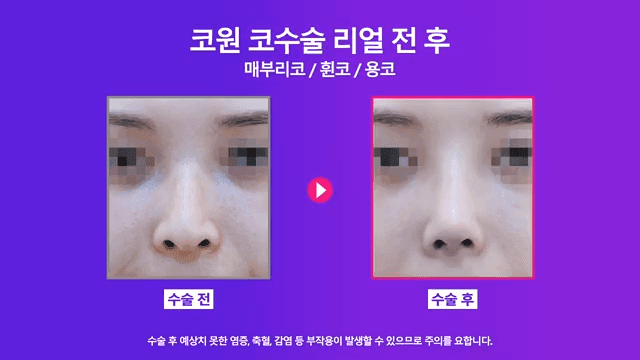
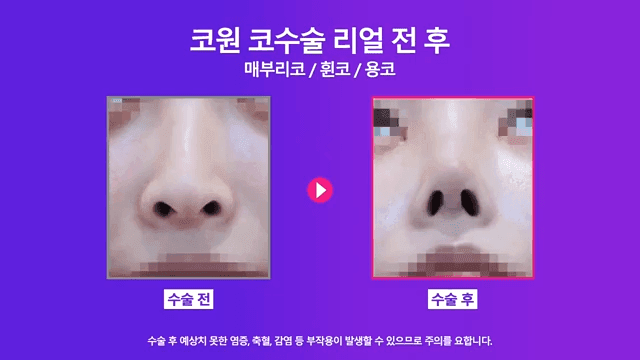
This surgery aimed to dissolve the filler, then elevate the tip and align the bent bridge axis and the front-visible nostrils together. The lateral line was addressed along with hump refinement.
Still, the 2-week mark has its own characteristic appearance.
- Because the tip was raised maximally, the skin can still be tight with slight irritation remaining at the tip. Tip skin gradually stretches and stabilizes.
- Right after surgery the tip can look somewhat high, but once skin tissue returns stably, the tip end lowers to a degree no longer noticeable compared to immediately after.
- In this case too, the tip sat slightly raised in the right lateral view — this part stabilizes over time.
In short, the 2-week appearance isn't the finished form but a middle stage settling in — the result isn't judged by immediate height or tension alone.
05
Summary — with a petite-procedure history, plan including removal
Hump correction isn't surgery refining just the hump — it's a process setting the scope by seeing the bridge's bend, the tip's lift, nostril shape, and glabella connection together. On top of that, with a dissolvable-thread or filler history, the plan must include the removal step.
If you have a similar concern, your current nasal state can be confirmed directly in a 1:1 video consultation. Actual correction cases can be seen in the before & after photos.




Frequently asked questions
Answers to common questions patients ask before a consultation.
Possible, but an order is needed. As in this case, a process removing threads and dissolving filler comes first before surgery proceeds.
It's hard to conclude that. Right after tip elevation the skin can be tight with remaining irritation — and as skin tissue stabilizes, the tip lowers from its immediate state and gradually turns natural. This case was also in that process at 2 weeks.
In this case, a lifted tip and spread nostrils coexisted, so tip correction and nostril correction were planned together. Still, the cause of visible nostrils can differ by person — the scope gets set after confirming the tip's lift degree and nostril shape together in consultation.
Responses to treatment and recovery progress vary by individual. Outcomes and side effects vary from person to person. Bleeding, infection, swelling and asymmetry may occur. Please consult our medical team before making a decision.
Consultation