
KOWON Blog
Hump nose correction — what to check before cost: shaving range, cartilage choice, support structure
Why hump nose correction isn't solved by shaving only the protruding part, the differing roles of ear cartilage, septal cartilage, and autologous rib cartilage, and the design criteria to confirm before comparing costs — organized.

Key points
- A hump nose isn't solved by shaving only the protruding part — the line can become smooth, but harmony with overall facial proportions doesn't follow automatically.
- Ear cartilage, septal cartilage, and autologous rib cartilage each have different roles. When the tip or bridge tilts heavily or tissue is too weak for cartilage alone to support, rib cartilage is considered.
- Rather than comparing cost alone, checking the material-selection approach, support structure design, and whether it's customized together decides long-term satisfaction.
"My face looks sharp — I think it's because of the hump." "My nose line isn't smooth, and it stresses me out."
You've probably felt that the face's overall balance seems broken because of a single nose. Especially since a hump nose gives a strong impression, many people feel more stressed by it. Solving it takes a careful look at the details — not just the rhinoplasty cost.
This article organizes what's good to check before cost when researching hump nose correction.
01
Is it solved by shaving just the protruding part?
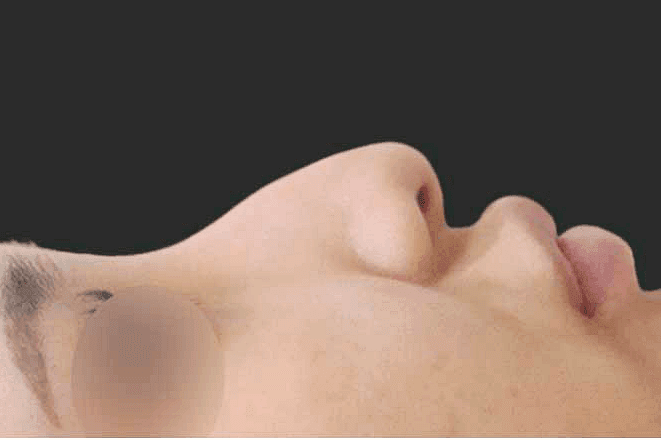
The big concern for people with a hump nose is that 'the dorsum protrudes and the impression looks sharp.' So does shaving just the protruding part solve the concern? The answer is 'no.'
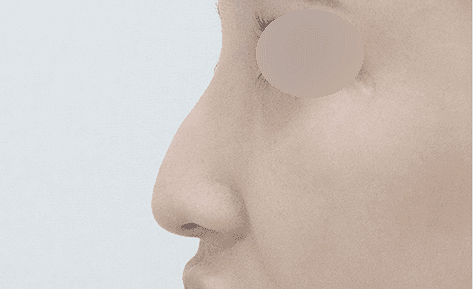
Shaving the protruding part can make the line smooth, but it's hard to say it harmonizes with the face's overall proportions. So before design, the whole face shape, forehead angle, and jawline must be analyzed to design a natural line.
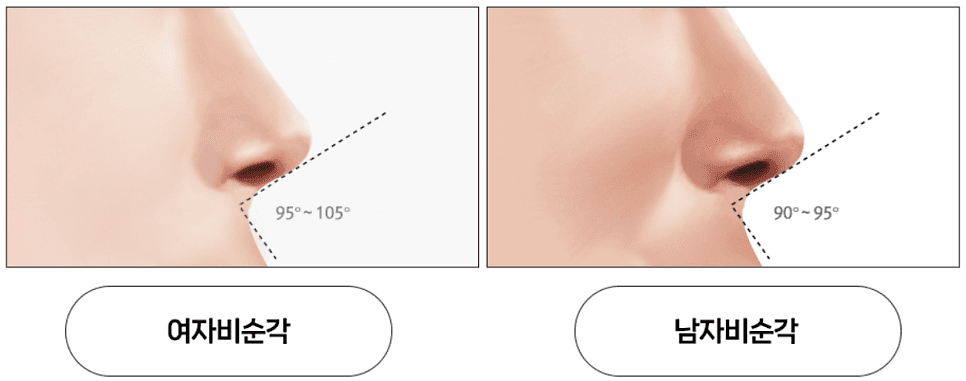
Among the people I meet in consultation, some say every photo is stressful because of the hump — but on examination, there are cases where the tip is on the sharp side or the nasolabial angle (the angle between nose and lips) is narrow, making the impression look even stronger. In such cases, not just shaving but the line, tip, and nasolabial angle must be considered together — because making the desired image requires overall shape improvement.
02
Why does cartilage choice matter?
When deliberating hump nose correction, what gets examined together is the material — cartilage. Each cartilage has different properties and uses.
| Material | Properties | Main use |
|---|---|---|
| Ear cartilage | Soft and flexible | Reinforcing small structures like the tip |
| Septal cartilage | Harvested inside the nose | A strut for tip support and overall nasal balance |
| Autologous rib cartilage | High durability, strength, and density | Firmly supports the nose; prevents drooping and rotation |
For people whose tip or bridge tilts far downward or whose tissue is weak, ear cartilage and septal cartilage alone can't support sufficiently. So lately many places utilize autologous rib cartilage from the rib. Designing with the nasolabial angle considered too lets the angle between the mouth area and nose match naturally.
Material properties can be seen in more detail in the rhinoplasty materials guide, and surgery using rib cartilage in the autologous rib rhinoplasty guide.
Here, not just the nose's shape but various elements like skin characteristics and cartilage state must be considered. Only with meticulous design backing it can the shape avoid collapsing over time and maintain a natural line.
03
What should be compared besides cost?
Since the nose greatly affects the impression, many people can't readily decide where to proceed. With hump correction especially, the more obvious the change, the bigger the deliberation grows. Rather than comparing cost alone, confirming the following together matters.
- 01How materials are chosen — is it explained which cartilage is used for my nasal state and why.
- 02How the support structure is designed — not just setting a shape but designing the internal skeleton meticulously.
- 03Whether it's customized — whether the whole process is tailored to me.
Wherever you get a consultation, please examine these parts carefully. The nose sits at the face's center and forms a three-dimensional structure — even a very small change can alter the impression. So several elements gathering can make a big long-term difference.
04
Summary — look at design before price
Hump nose correction isn't simply setting a shape — its core is meticulously designing the internal skeleton. Cost is an important consideration, but stability and long-term satisfaction must be seen together for less regret. Please check how materials are chosen, how the support structure is designed, and whether the process is tailored to you.
If you're curious which design fits your nose, it can be checked directly in a 1:1 video consultation.
Frequently asked questions
Answers to common questions patients ask before a consultation.
Shaving the protruding part can smooth the line, but harmony with the face's overall proportions doesn't follow automatically. If the tip shape or nasolabial angle also affects the impression, design considering those parts is needed.
It's not needed in every case. Ear cartilage can be used to reinforce small structures like the tip, and septal cartilage as a strut for tip support and overall balance. Still, when the tip and bridge tilt heavily or tissue is too weak for cartilage alone to support, highly durable autologous rib cartilage is considered.
The difference is hard to know from price alone. Long-term stability and satisfaction can differ by the material-selection approach, support structure design, and whether the process is customized — so it's good to check these elements along with the price.
Responses to treatment and recovery progress vary by individual. Outcomes and side effects vary from person to person. Bleeding, infection, swelling and asymmetry may occur. Please consult our medical team before making a decision.
Consultation