
KOWON Blog
Can a woman's humped nose be corrected with implant-free rhinoplasty? — Causes, self-diagnosis, material choice
Congenital and acquired causes of a humped nose, a self-diagnosis checklist, when function needs checking too, and implant-free rhinoplasty (RIBFIT™) correcting with autologous rib cartilage — all organized.
Key points
- A humped nose can be congenital, or deformed after adulthood by trauma or habits.
- If nasal obstruction or asymmetry accompanies the hump shape, functional parts like deviated septum need checking too.
- If artificial implants feel burdensome, correction can be considered through implant-free rhinoplasty (RIBFIT™) that machines autologous rib cartilage to fit individual structure.
"Maybe because my bridge is high, the hump stands out even more." "Implants feel burdensome — is there a way to correct it naturally?"
A woman's humped nose gives a sharp impression, so many consider it a complex. Some insist on certain angles when taking photos, or feel uncomfortable with a strong first impression. This article organizes the causes of a humped nose, how to self-diagnose, criteria for judging whether correction is needed, and whether implant-free rhinoplasty is possible.
01
My nose shape changed from childhood — what's the reason?
Many think a humped nose is a shape you're born with. Of course many are born with that bone and cartilage structure, but there are also people whose shape deformed after adulthood.
For example, it can occur when an accident or trauma damages the connection between the nasal bone and upper lateral cartilage. Nasal bone fracture or septal fracture affects the internal structure and the shape deforms. Habits like frequently touching or twisting the nose, or blowing too hard, also affect the nasal support structure when repeated.
If there's one thing I've felt in nearly 20 years of treating noses, it's that any shape is hard to judge by a single criterion. So even for similar-looking protrusions, I approach differently after weighing cause, facial proportions, skin thickness, and more.
02
How do I check if I have a humped nose?
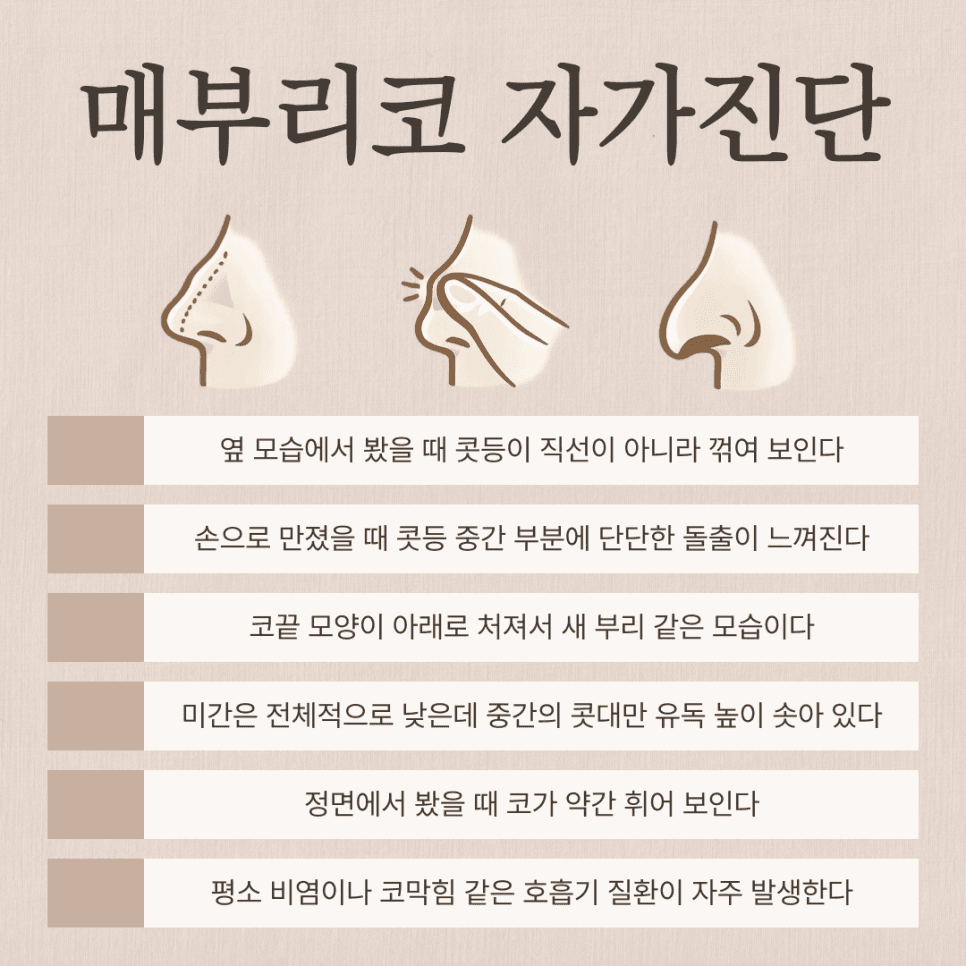
A simple self-diagnosis checklist. If two or more of these apply, a humped nose can be suspected.
- 01From the side, the bridge looks bent rather than straight
- 02A hard protrusion is felt in the middle of the bridge when touched
- 03The tip droops downward like a bird's beak
- 04The glabella is low overall but only the mid-bridge stands high
- 05The nose looks slightly crooked from the front
- 06Respiratory issues like rhinitis or nasal obstruction occur often
03
The hump isn't severe — do I still have to correct it?
If the appearance doesn't bother you much, surgery isn't a choice you must make. In the actual clinic, unnecessary choices aren't recommended merely for shape.
Still, even a mild hump can make the impression look strong enough. It's easy to think only the protruding part — the height — is the problem, but if the impression looks strong despite a small or low nose, approaching it as a line problem rather than height makes it easier to understand.
Separately, when bridge protrusion comes with the nose bending to one side or asymmetry, deviated septum may appear together. If one or more items below apply, checking even the functional part once is good.
- One side feels especially blocked and stuffy when breathing in or out
- Nasal obstruction is frequent even without a cold or rhinitis
- From the front or side, the tip direction looks slightly twisted to one side
In other words, an approach considering not just cosmetic purpose but functional elements is needed.
04
Artificial implants feel burdensome — is there a way?
If implants feel burdensome, the hump can be corrected through implant-free rhinoplasty. It's an approach mainly used for those who feel aversion to implants or worry about inflammation or foreign body sensation.
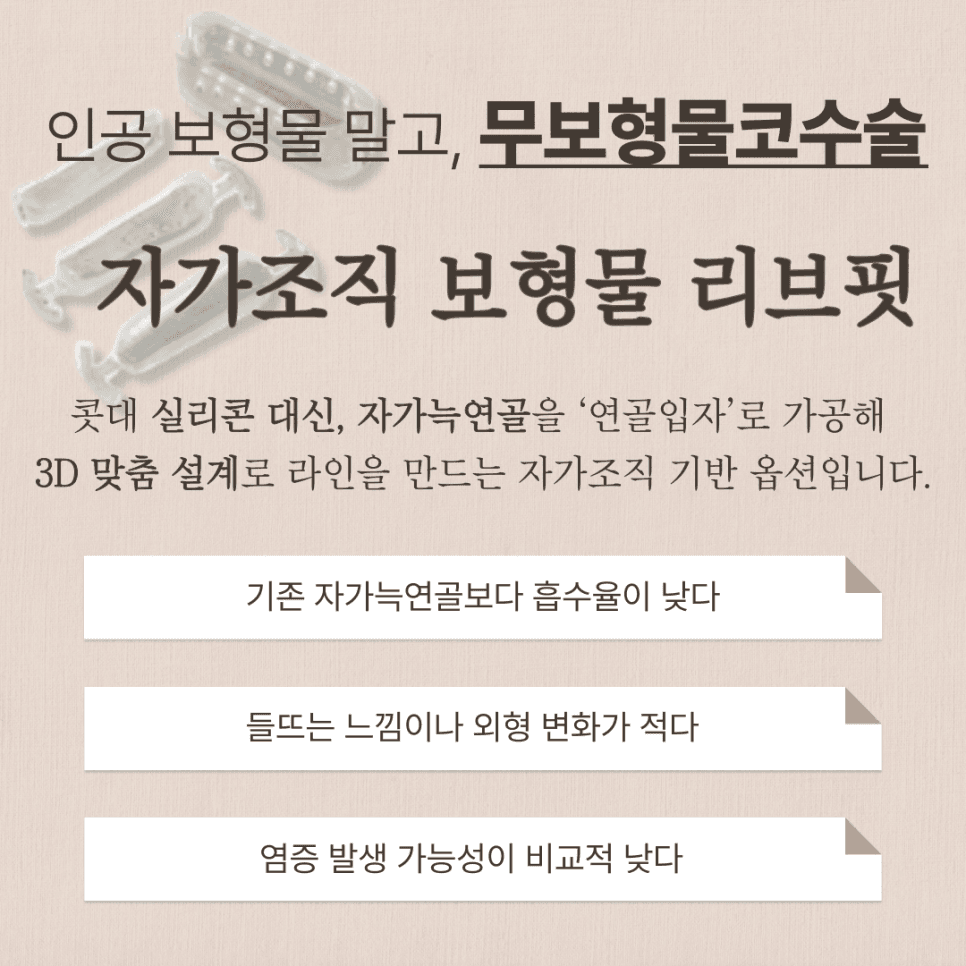
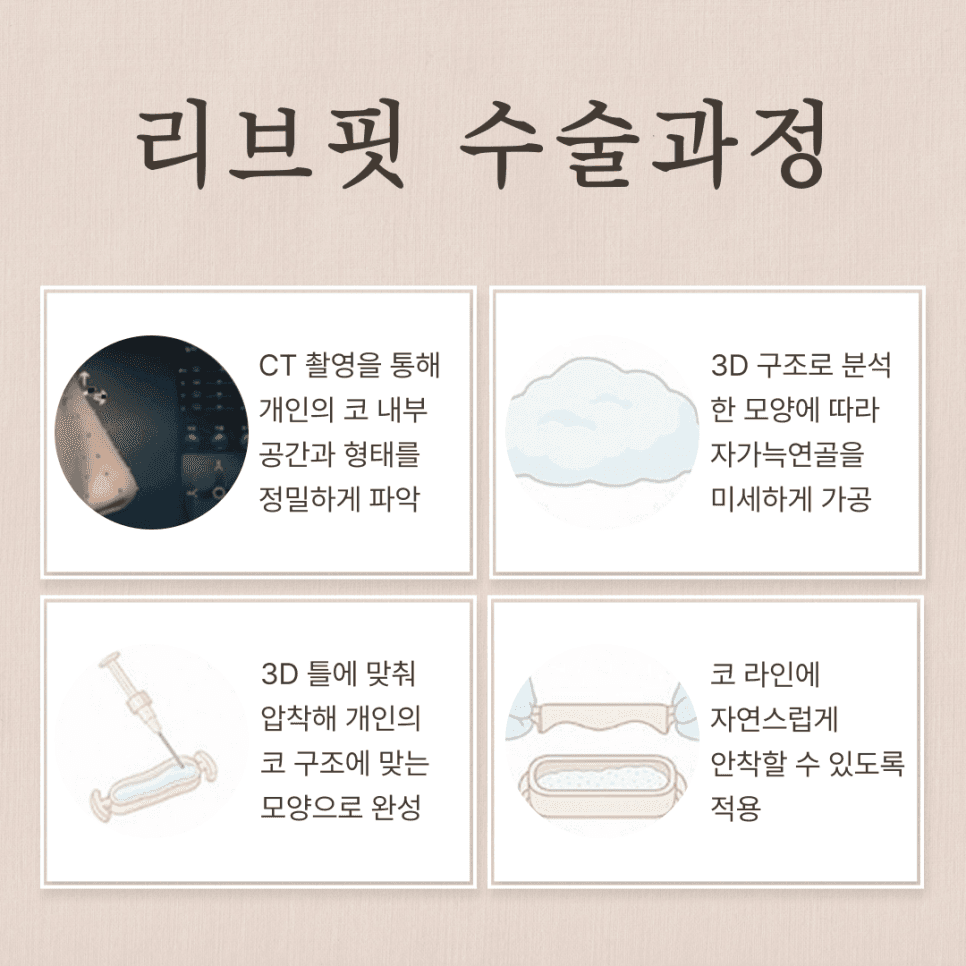
Recently, interest is growing in one such approach: the autologous tissue implant method using autologous rib cartilage. Our clinic had been applying autologous rib cartilage–based autologous tissue implants even before this approach drew attention, and now uses it under the name RIBFIT™.
RIBFIT™ is also called implant-free rhinoplasty in that it uses no artificial implant — it machines autologous rib cartilage to fit individual structure. Since a custom mold is designed through CT-based 3D simulation and the rib cartilage is precisely machined before grafting, the possibility of warping over time or change from absorption is on the low side.
05
Summary — checking comes before correcting
Today's content organized looks like this.
- A humped nose is affected by both congenital and acquired factors.
- Even without external problems, it can cause functional problems — checking is needed.
- If implants feel burdensome, implant-free rhinoplasty like RIBFIT™ can be considered.
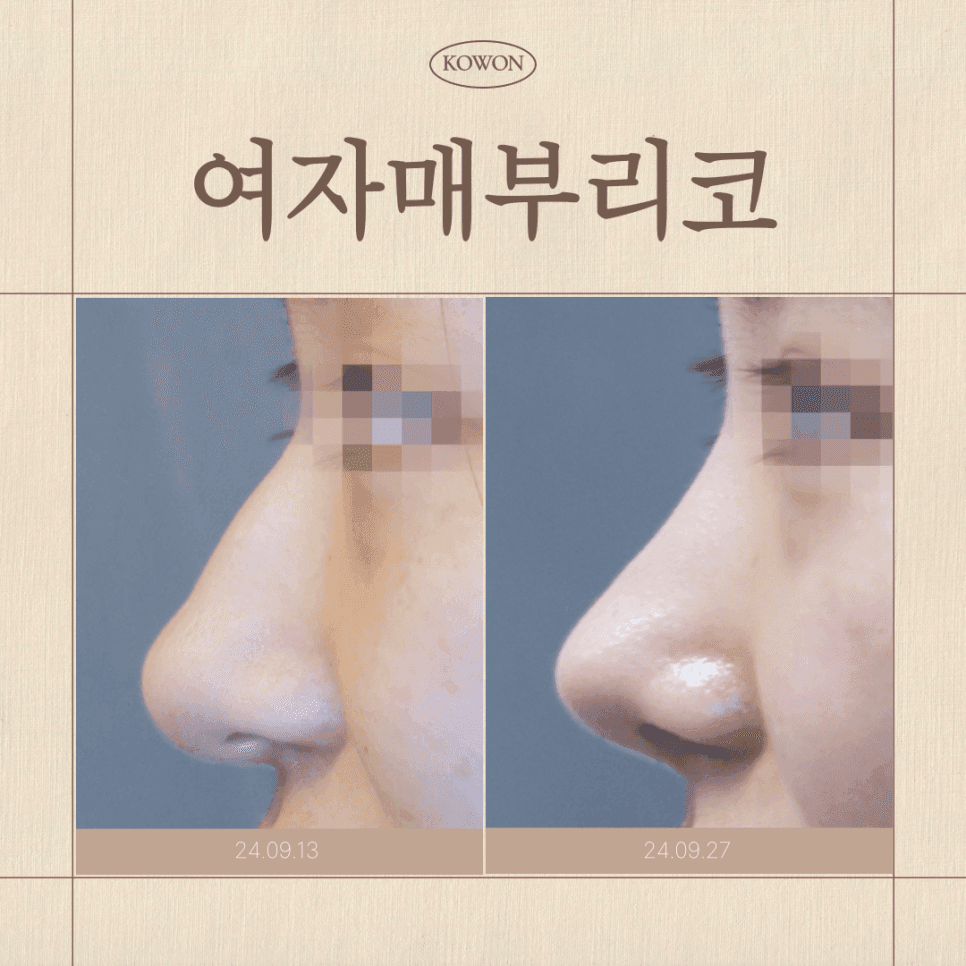
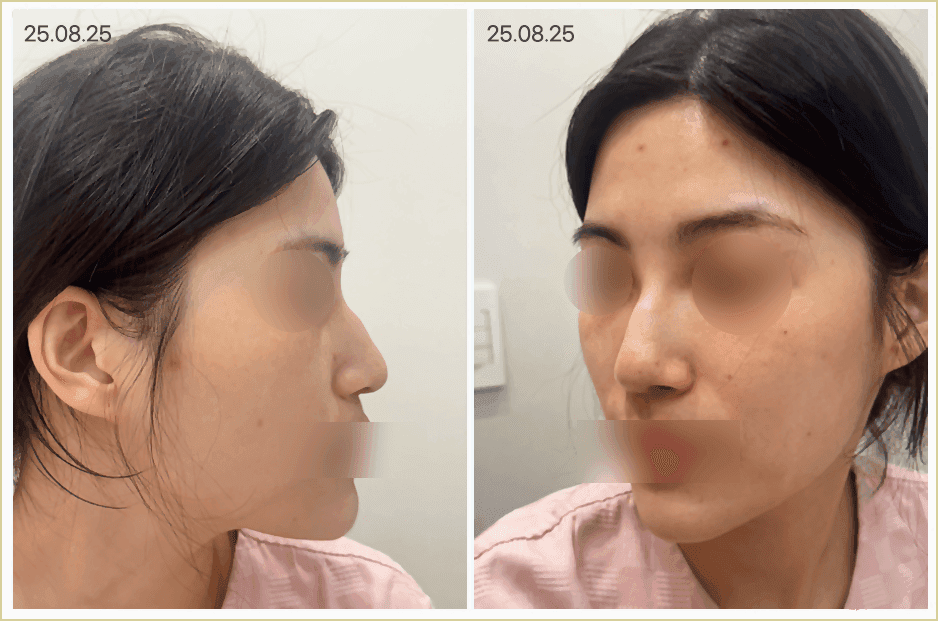
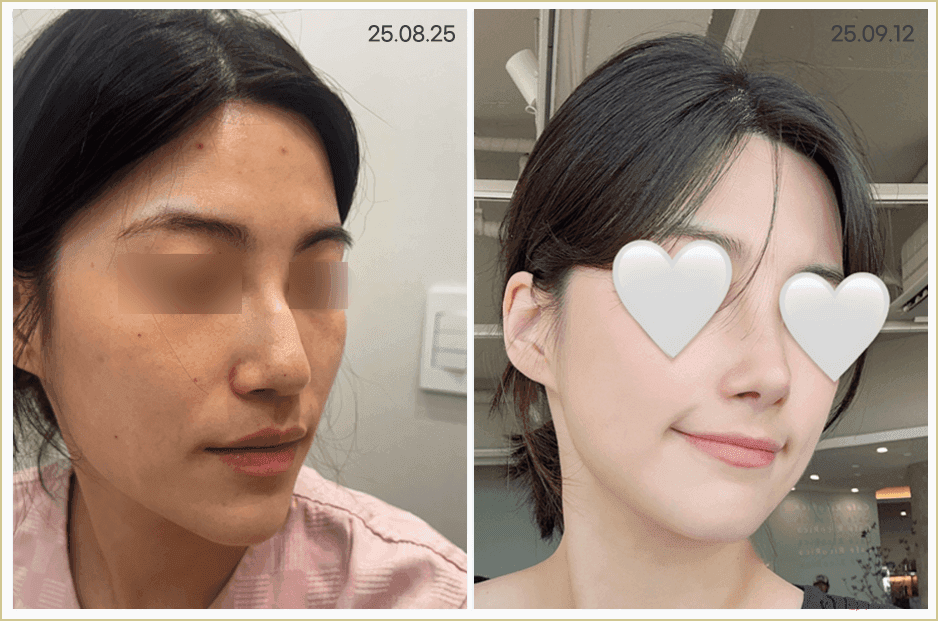
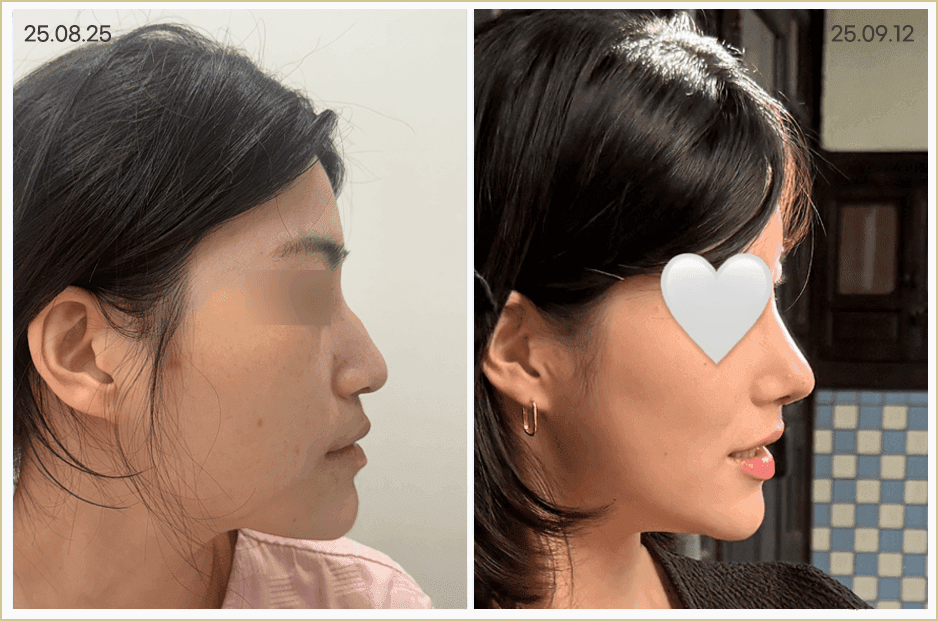
Not every humped nose must lead to correction. If there's no functional discomfort and the appearance doesn't bother you much, it's not recommended insistently. Still, if functional discomfort repeats along with the hump shape, getting a structural check once is good. Your nose's state can be checked in a consultation, and actual correction cases can be seen in the before & after photos.

Frequently asked questions
Answers to common questions patients ask before a consultation.
Many are born with that bone and cartilage structure, but the shape can also deform after adulthood when the nasal bone or septum is damaged by accident or trauma, or when habits like frequently touching the nose or blowing hard repeat.
If the appearance doesn't bother you, correction isn't mandatory. Still, if nasal obstruction, asymmetry, or uncomfortable one-sided breathing repeats along with bridge protrusion, deviated septum is possible — getting a functional check is good.
It uses autologous rib cartilage instead of an artificial implant. RIBFIT™ designs a custom mold through CT-based 3D simulation and precisely machines the rib cartilage for grafting — the possibility of warping or absorption-related change is on the low side.
Responses to treatment and recovery progress vary by individual. Outcomes and side effects vary from person to person. Bleeding, infection, swelling and asymmetry may occur. Please consult our medical team before making a decision.
Consultation