
KOWON Blog
An ear keloid after earlobe piercing — can it be treated at a plastic surgery clinic?
A keloid — hard flesh protruding after an earlobe piercing — can recur even after removal, so preventing recurrence is the core of treatment. Based on an actual question, covering how plastic surgery clinics remove keloids and press them with magnets to lower the recurrence rate.
Key points
- A keloid is hard flesh protruding after a piercing, characterized by the fact it can recur even after removal.
- So keloid treatment doesn't end with excision — how to prevent recurrence is part of the treatment's scope.
- Plastic surgery clinics use several methods to prevent recurrence — after removing the keloid, pressing it with a magnet can lower the recurrence rate.
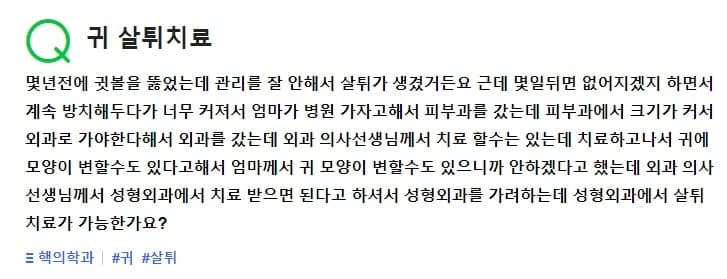
"The dermatologist said it's too big to treat, and the surgeon said my ear shape could change — can a plastic surgery clinic treat it?"
This is an actual question received about a scar — an ear keloid — that appeared after an earlobe piercing. This article organizes, based on that question and answer, why keloids form and what's different about plastic surgery treatment.
01
What was the concern?
The asker's situation was the following.
- Got an earlobe piercing a few years ago — and before knowing how to care for it, a keloid formed
- Left it alone thinking it would disappear in days — and the size kept growing
- Visited a dermatologist, who said it had grown too large and directed them to a surgeon
- The surgeon said treatment was possible but the ear's shape could change afterward, so the guardian objected
- Then the doctor guided them that a plastic surgery clinic could treat it — leaving them curious whether plastic surgery treatment is actually possible
Some people visit a hospital only after a post-piercing scar grows while waiting for it to disappear on its own — and this question was one of those cases.
02
Why don't keloids disappear — and why do they even recur?
A keloid refers to hard flesh protruding that occasionally appears after piercing.
There's one important characteristic here: a keloid recurs even after removal. It isn't a scar that disappears if left alone, nor a problem that ends with cutting it out. That's exactly why cases like this asker's — where it grows while you wait thinking "it'll go away in a few days" — happen.
So several treatments exist for keloids, and whichever removal method is used, how to manage recurrence afterward has to follow together.
03
What's different about keloid treatment at a plastic surgery clinic?
At a plastic surgery clinic, several methods are used to prevent keloid recurrence. It doesn't end with removal — the step of lowering the recurrence rate is viewed as part of the treatment.
One of those is a method using pressure.
| Step | Details |
|---|---|
| Removal | Removing the hard protruding keloid |
| Recurrence prevention | **Pressing the removal site with a magnet** to lower the recurrence rate |
Removing a keloid and then pressing it with a magnet can lower the recurrence rate. Since it's a scar with a recurring nature, planning that extends to post-removal management is the core of keloid treatment.
04
Summary — recurrence management matters more than removal
A keloid after an earlobe piercing can grow while you wait for it to disappear on its own, and it has a nature of recurring even after removal. So the crux of treatment lies not in "how to excise it" but in "how to prevent recurrence." At a plastic surgery clinic, management like pressing the site with a magnet after keloid removal proceeds together to lower the recurrence rate.
If you've spent difficult time because of a keloid, you can check the treatment direction fitting your current state in a 1:1 video consultation.
Frequently asked questions
Answers to common questions patients ask before a consultation.
A keloid is hard flesh protruding, and it can grow in size while left unattended. In fact, this asker's case was one where they left it thinking it would disappear in days and it grew.
No. A keloid can recur even after removal. So plastic surgery clinics use several methods to prevent recurrence — including pressing the site with a magnet after removal to lower the recurrence rate.
As in this asker's case, there are instances where a surgeon directs a grown keloid toward plastic surgery treatment. At a plastic surgery clinic, keloid removal can be followed by recurrence-prevention management — and the actual treatment method is decided after directly checking the state.
Responses to treatment and recovery progress vary by individual. Outcomes and side effects vary from person to person. Bleeding, infection, swelling and asymmetry may occur. Please consult our medical team before making a decision.
Consultation