
KOWON Blog
Correcting a Blunt Nose: Why the Bridge and Nasolabial Angle Matter, Not Just the Tip
A blunt nose with a round, wide-looking tip is hard to judge by correcting the tip alone. This article organizes why the whole structure including the bridge and nasolabial angle is considered, and the RIBFIT™ method using autologous rib cartilage.
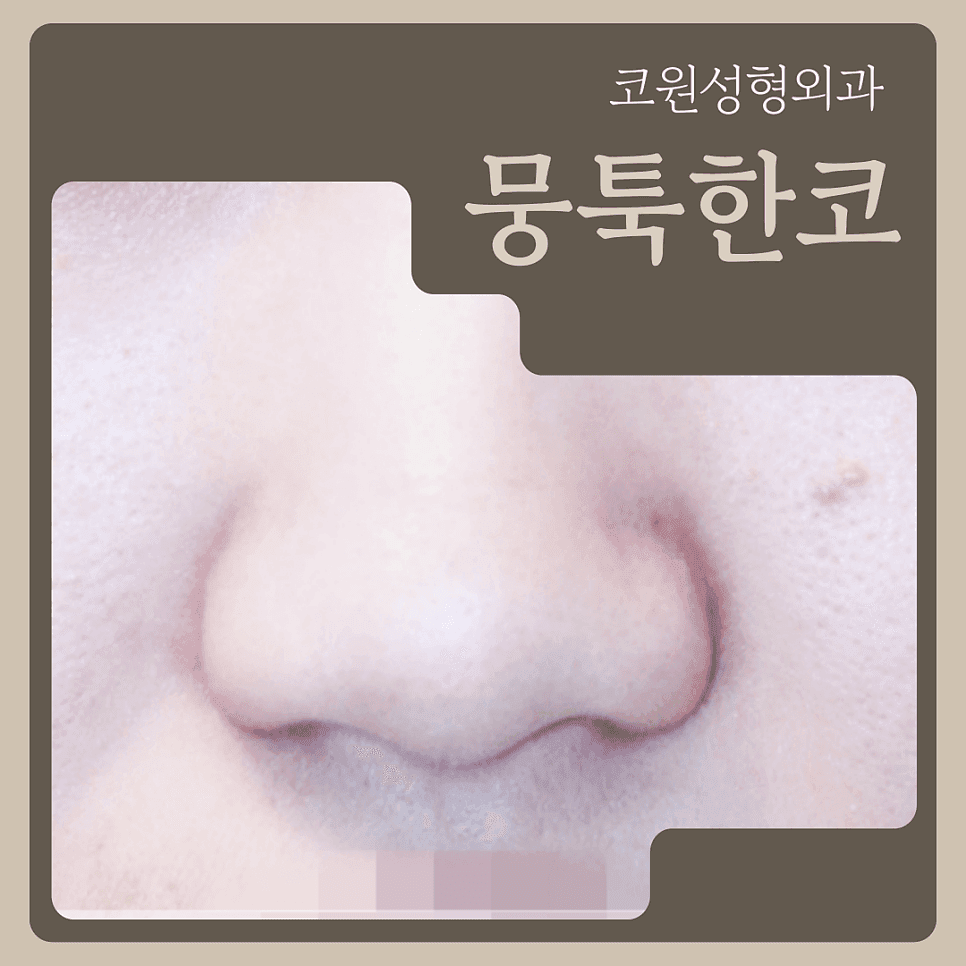
Key points
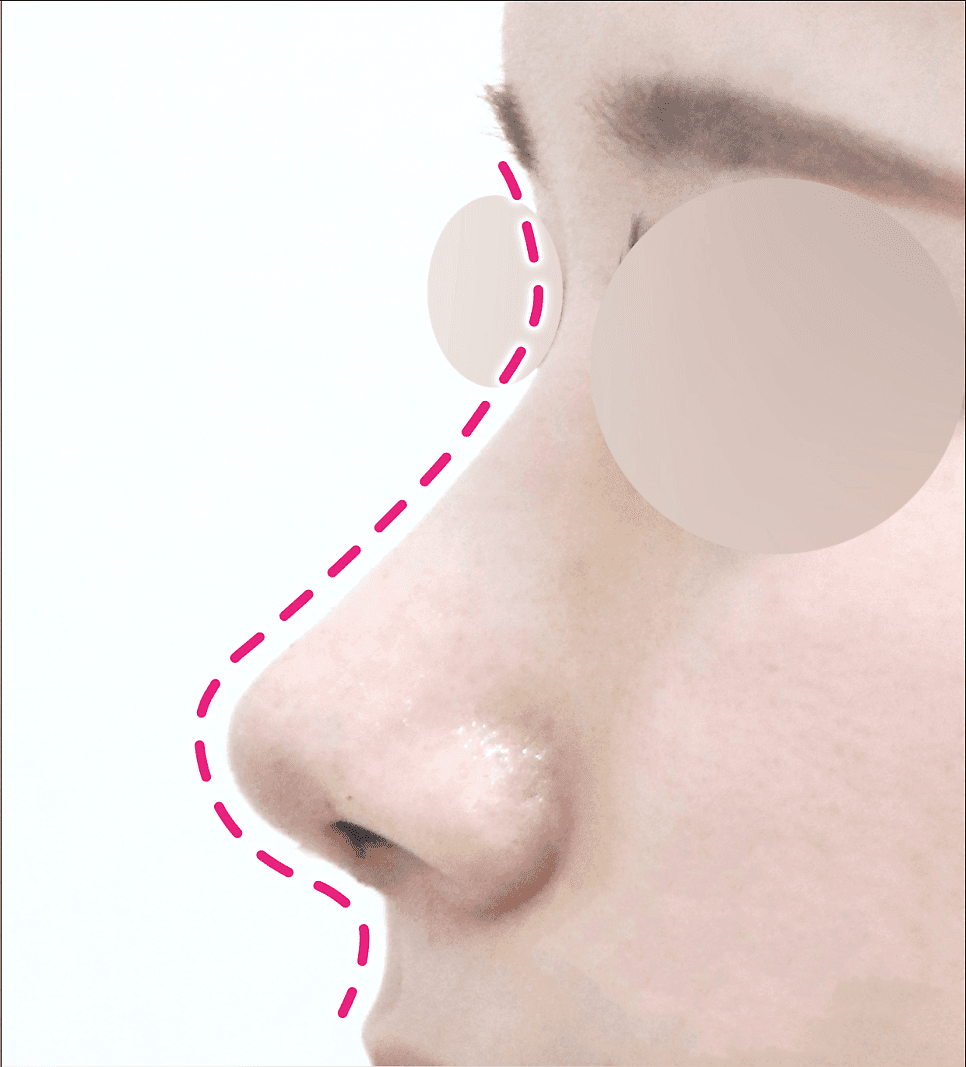
- The nose's impression is decided by the bridge descending from the glabella, the tip, and the nasolabial angle between nose and philtrum together.
- A blunt nose can sometimes be corrected by the tip alone, but far more cases require considering the bridge and angles too.
- If artificial implants feel burdensome, the RIBFIT™ method using processed autologous rib cartilage can be an alternative.
"Why does slightly touching just the tip change the whole impression?"
A frequent question in consultation. A blunt nose with a round, wide-looking tip can hide the face's natural charm and give a stuffy impression. But when solving this concern, looking at just the tip won't produce an answer. This article organizes why blunt-nose correction examines the nose's whole connected structure, and by what criteria materials are chosen.
01
Why can correcting only the tip fall short?
The nose — from the bridge descending from the glabella to the tip and the nasolabial angle — altogether decides the facial impression. The nasolabial angle is the angle between the nose and the philtrum. Because a single nose governs harmony from forehead to lips, even a slight tip correction often changes the image noticeably.
Still, the nose shape and image each person wants differ. A blunt nose can sometimes be sufficiently corrected by the tip alone, but far more cases require considering the bridge and angles. So in consultation, we explain changes while viewing a virtual image based on the photographed face — letting you confirm right there how the feel you want could apply to your actual face.
02
How is a design fitting my face decided?
It isn't decided by nose shape alone — the profile proportions and the dimensionality at the center of the face are examined together. It's a process of choosing within the range applicable to the actual face, after hearing the desired impression fully.
- Proportions seen from the side — whether the line from bridge to tip suits the facial profile
- Dimensionality at the face's center — whether the dimension the nose creates at the center harmonizes with the overall impression
For those who can't visit, a video communication system is also available — the possibility of change can be discussed from home or outside through a 1:1 video consultation.
03
What options exist if artificial implants feel burdensome?
Recently, preference for artificial implants has been declining due to concerns about side effects like inflammation and foreign-body sensation. In such cases, methods using autologous tissue can be an alternative.
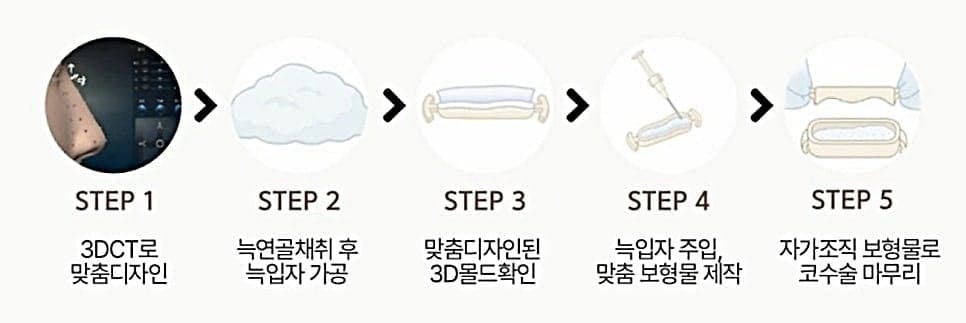
Existing autologous-tissue methods have shown limits in structural stability and fine shaping — one method that can compensate is RIBFIT™. The RIBFIT™ process is as follows.
| Step | Content |
|---|---|
| 1. Structural analysis | Nasal structure analyzed via CT-based 3D simulation |
| 2. Mold fabrication | A custom 3D mold is fabricated based on the analysis |
| 3. Cartilage processing | Harvested rib cartilage is finely processed, placed in the 3D mold, and compressed to high density |
This creates a refined bridge line without silicone. It achieves a smooth, delicate line like silicone while being autologous tissue — easing concerns about rejection or side effects — and lets people with blunt noses adjust height and line as desired. The high absorption rate that was a problem of conventional autologous rib diced rhinoplasty is also improved, so the structure is maintained longer with little deformation, and no additional steps like fascia harvesting are needed, making recovery faster.
04
Summary — the whole structure must be seen together
With a blunt nose, touching only the tip may not create the desired impression. Conversely, unconditionally raising the bridge doesn't make the impression sharp either. Considering the overall structure — bridge, tip, nasolabial angle — together enables a natural change.
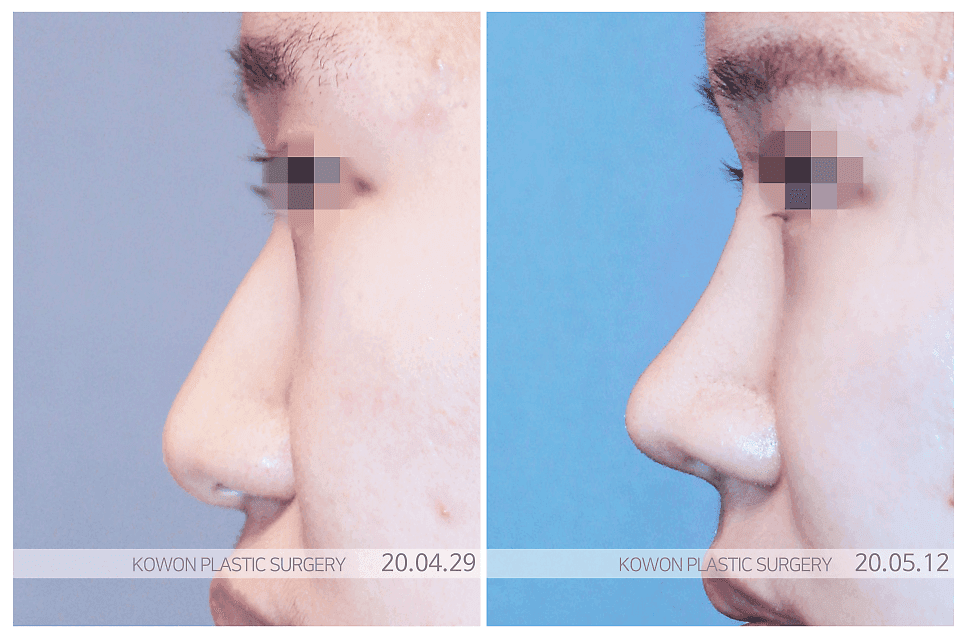
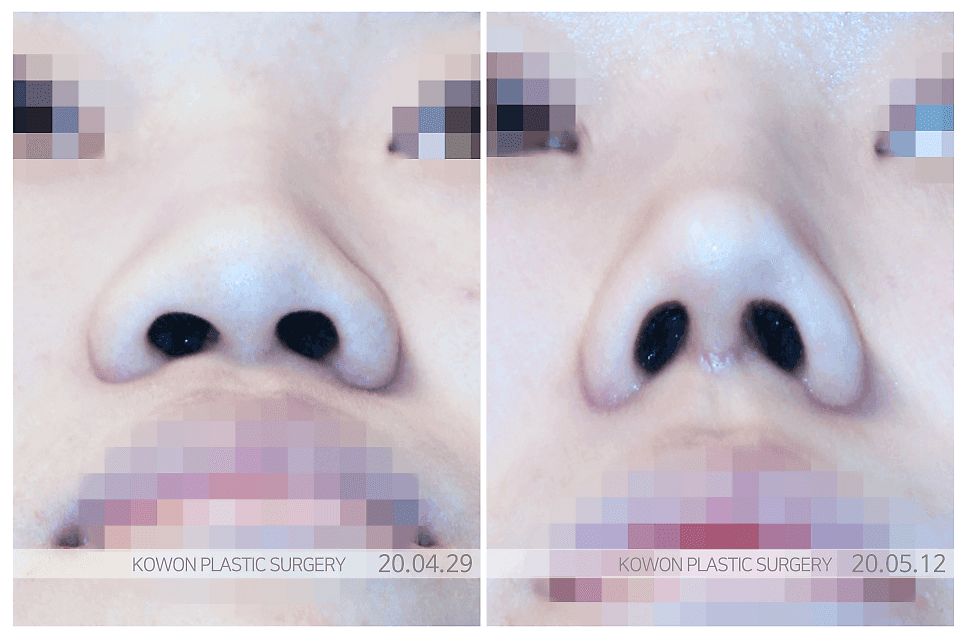
Actual correction cases are in the before-and-after photos.
Frequently asked questions
Answers to common questions patients ask before a consultation.
Some cases are sufficiently corrected by the tip alone, but far more require considering the bridge and angles like the nasolabial angle together. Since the nose governs harmony from glabella to lips, checking the whole structure before deciding the correction scope is important.
Unconditionally raising the bridge doesn't sharpen the impression. A natural change is possible only when profile proportions and the face's central dimensionality are considered together.
Existing autologous methods had limits in structural stability and fine shaping. RIBFIT™ builds a custom mold via CT-based 3D simulation and compresses rib cartilage to high density — improving the absorption rate and keeping the structure stable without tip distortion or warping.
Responses to treatment and recovery progress vary by individual. Outcomes and side effects vary from person to person. Bleeding, infection, swelling and asymmetry may occur. Please consult our medical team before making a decision.
Consultation