
KOWON Blog
Alar Reduction — What to Check First? Distinguishing Flared, Bulbous, and Large-Nostril Types
If you are considering alar reduction, what to check first — the three reasons a nose looks wide (flared, bulbous, large nostrils), what to check by type, and the criteria for reviewing inner vs. outer incision methods.
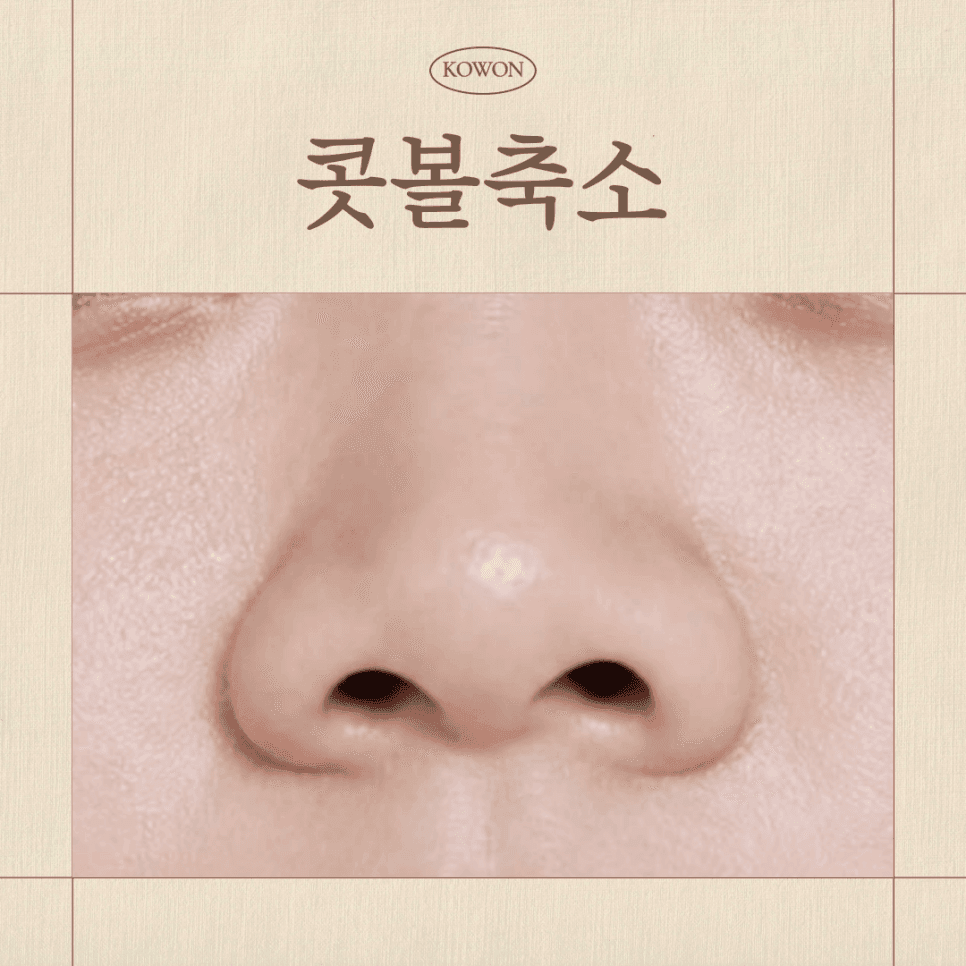
Key points
- The reasons a nose looks wide from the front divide broadly into three: flared nose (spread alae), bulbous nose (tip tissue), and large-looking nostrils.
- Even when they look similar outside, what to check and how to approach differs depending on whether the alar width is the cause or the tip structure is.
- The incision method (inner vs. outer) is decided after checking the current nose condition — alar width, skin thickness, nostril size.
"Whenever I take a photo, my nose looks bigger."
We hear this often in consultations with people looking into alar reduction. The bridge is clearly not low, yet the nose alone looks blunt or the center of the face feels stuffy. It could be a flared nose, or it could be a bulbous structure. Even when they look similar outside, what to check differs by cause — so if you are considering alar reduction, it is better to first confirm why your nose looks wide.
This article organizes the three types that make a nose look wide, and what is examined when reviewing alar reduction.
01
Why are there several reasons the alae look wide?
Alar reduction is a surgery focused on improving the nose's frontal proportions by adjusting the horizontal width of widely spread alae. But the cause of a wide-looking nose from the front is not just one. It can be divided broadly into three.
| Type | What state it is |
|---|---|
| Flared nose | Alae spread sideways, making the whole nose look wide |
| Bulbous nose | Thick, rounded tip tissue making the nose look blunt |
| Large-looking nostrils | Wide space between the alae and columella, making the nose look big from the front |
Even noses that look like the same flared type can have different actual causes. What to check differs depending on whether it is the alar width, the tip tissue, or the cartilage structure. In real consultations, there are quite a few cases where someone arrives believing the alae are the problem and learns the tip structure's influence is bigger. That is why the process of first grasping why the nose currently looks wide matters.
02
What is checked for each wide-looking type?
The alae's horizontal width is one factor affecting the frontal impression. At the same nose height, wide alae can make the nose look bigger and blunter — and conversely, organizing the width helps create a tidier impression. If the alae themselves are a wide structure, a plan centered on alar reduction is possible. On the other hand, for a bulbous nose that looks wider because of the tip structure, a process of evaluating the tip together is needed. Each type has different checkpoints.
- 01Sideways-spread alae (flared nose) — the type where the alae spread widely left and right. If the alar width is broad relative to the bridge, the nose can look blunt and heavy. In some cases the alae spread even wider when smiling, because the influence of the levator labii muscle that pulls the alae outward acts together. So for a flared nose, not only the alar width but also movement when smiling is checked together.
- 02Bulbous nose with thick tissue buildup — on actual examination, there are quite a few cases where the influence of tip tissue or cartilage structure is bigger than the alae. Distinguishing whether the cause is the alar width, the tip tissue, or both together comes first. What is checked at the tip can be seen in more detail in the nasal tip surgery guide.
- 03Large or asymmetric nostrils — nostril size and shape also affect the frontal impression. If left-right balance is off or the alar base is wide, the whole nose can look wide — so not only the alar width but also nostril shape and left-right balance are examined together.
03
What determines the incision method?
Some people ask, "Do I just get alar reduction unconditionally?" Even when they look like the same flared or bulbous nose, the method considered can differ by alar width, skin thickness, and nostril size. A suitable direction is decided after sufficiently checking the current nose condition.
- Inner incision method — a method proceeding mainly inside the nostril. It approaches toward minimizing externally exposed areas while reducing alar width, and is reviewed when alar spread is not large or when nostril shape must be considered together.
- Outer incision method — a method proceeding along the outer border of the ala. It can be considered when the ala itself is wide or the skin tissue is thick, or when the nostrils look large.
Either way, for flared and bulbous noses a more appropriate plan can be made only by checking not just the alae but also the tip structure and facial proportions together.
04
Summary — first check which type your nose is
Flared and bulbous noses share the common point that the nose looks wide, but the actual causes can differ. Even when considering the same alar reduction, one person needs a plan centered on the alae while another must examine the tip structure together. If you have wondered why your nose looks wide in photos, it is good to first check which type your nose currently belongs to.
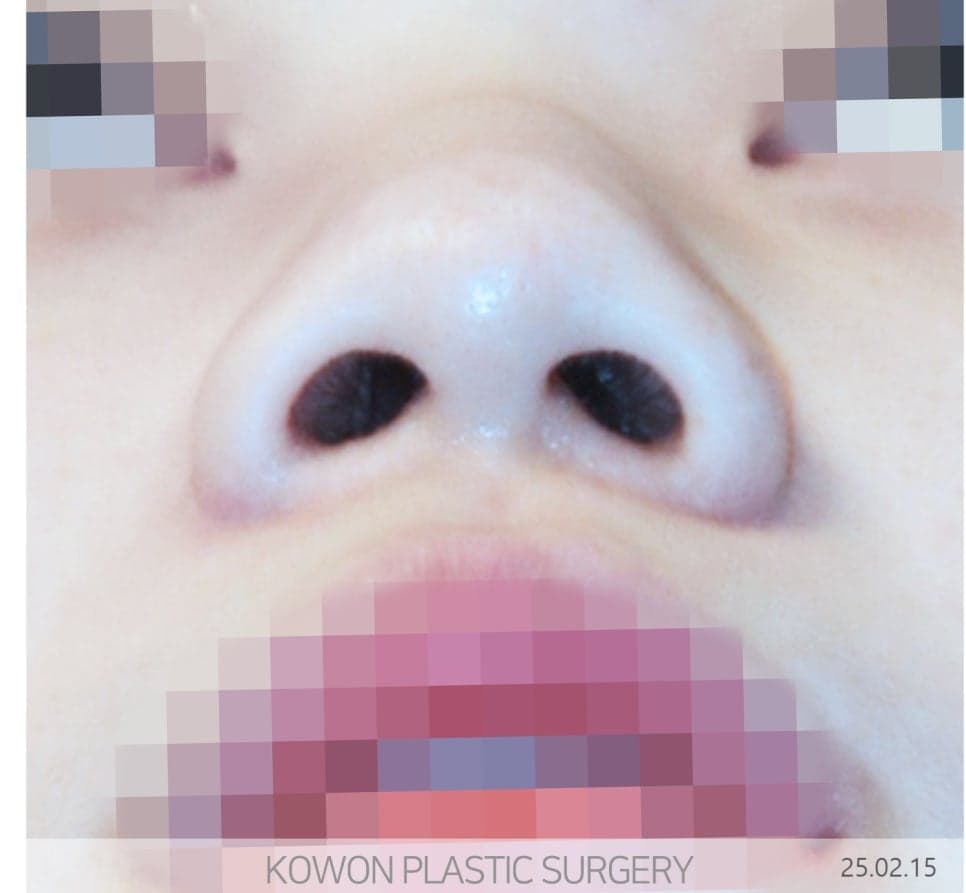
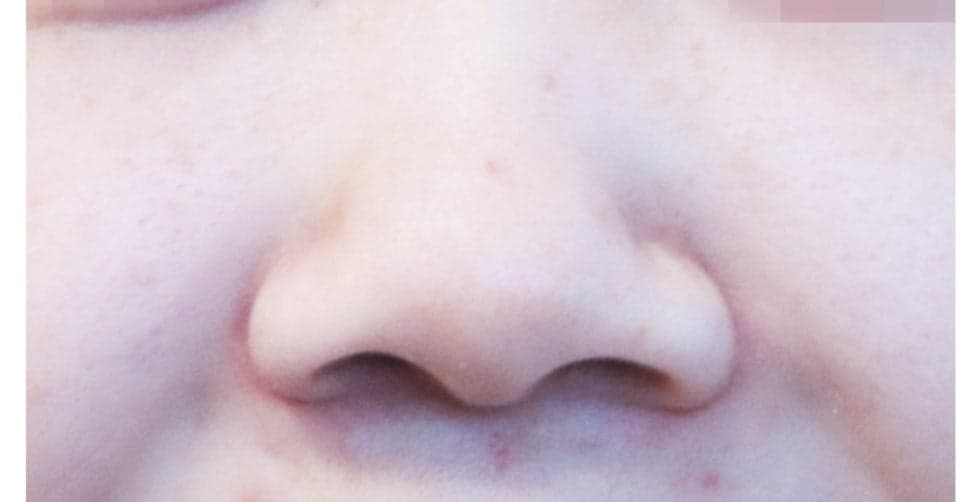
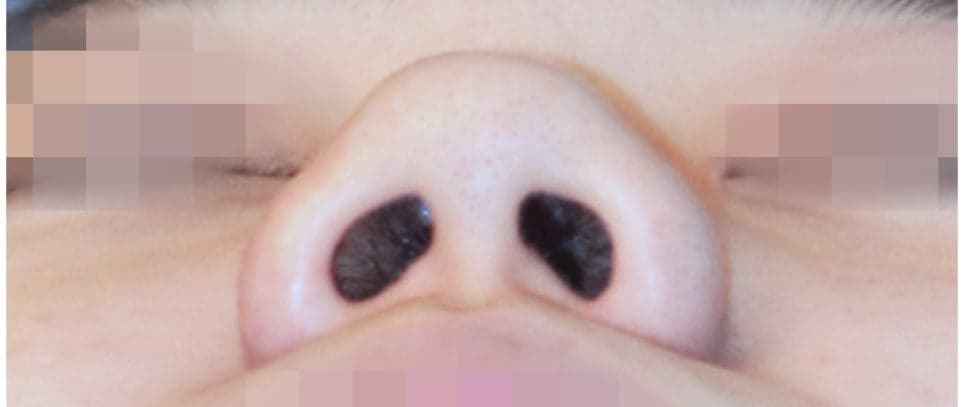
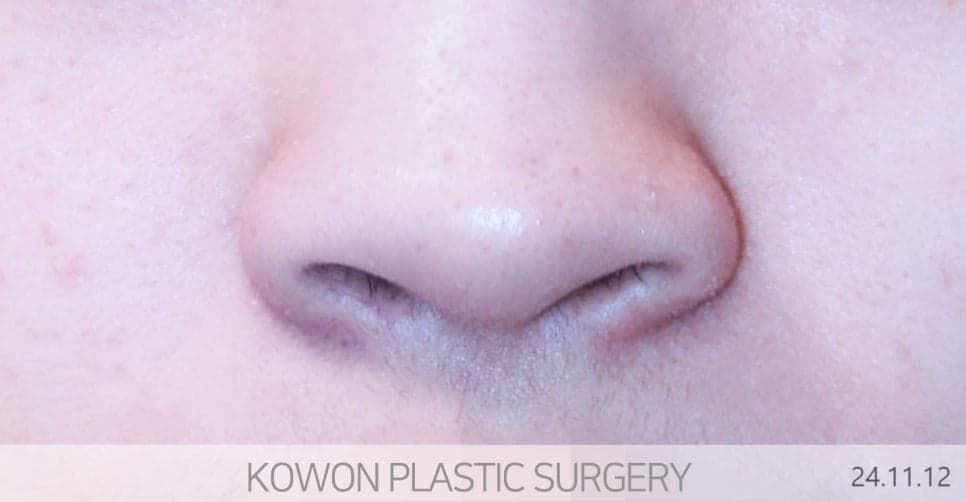
If you are curious which type your nose is, it can be checked directly in a 1:1 video consultation. Actual correction cases can be seen in the before-and-after photos.
Frequently asked questions
Answers to common questions patients ask before a consultation.
It depends on whether the alar width is the cause or the tip structure's influence is bigger.
What must be considered differs depending on what makes the alae look wide and what state the current nose structure is in. That is why the process of checking not only alar width but also skin thickness, tip structure, and muscle movement when smiling before surgery matters.
They may look similar outside but the actual causes can differ, so distinguishing is not easy. In consultation, the alar width, tip tissue, cartilage structure, and movement when smiling are checked together to see which part's influence is bigger.
Responses to treatment and recovery progress vary by individual. Outcomes and side effects vary from person to person. Bleeding, infection, swelling and asymmetry may occur. Please consult our medical team before making a decision.
Consultation